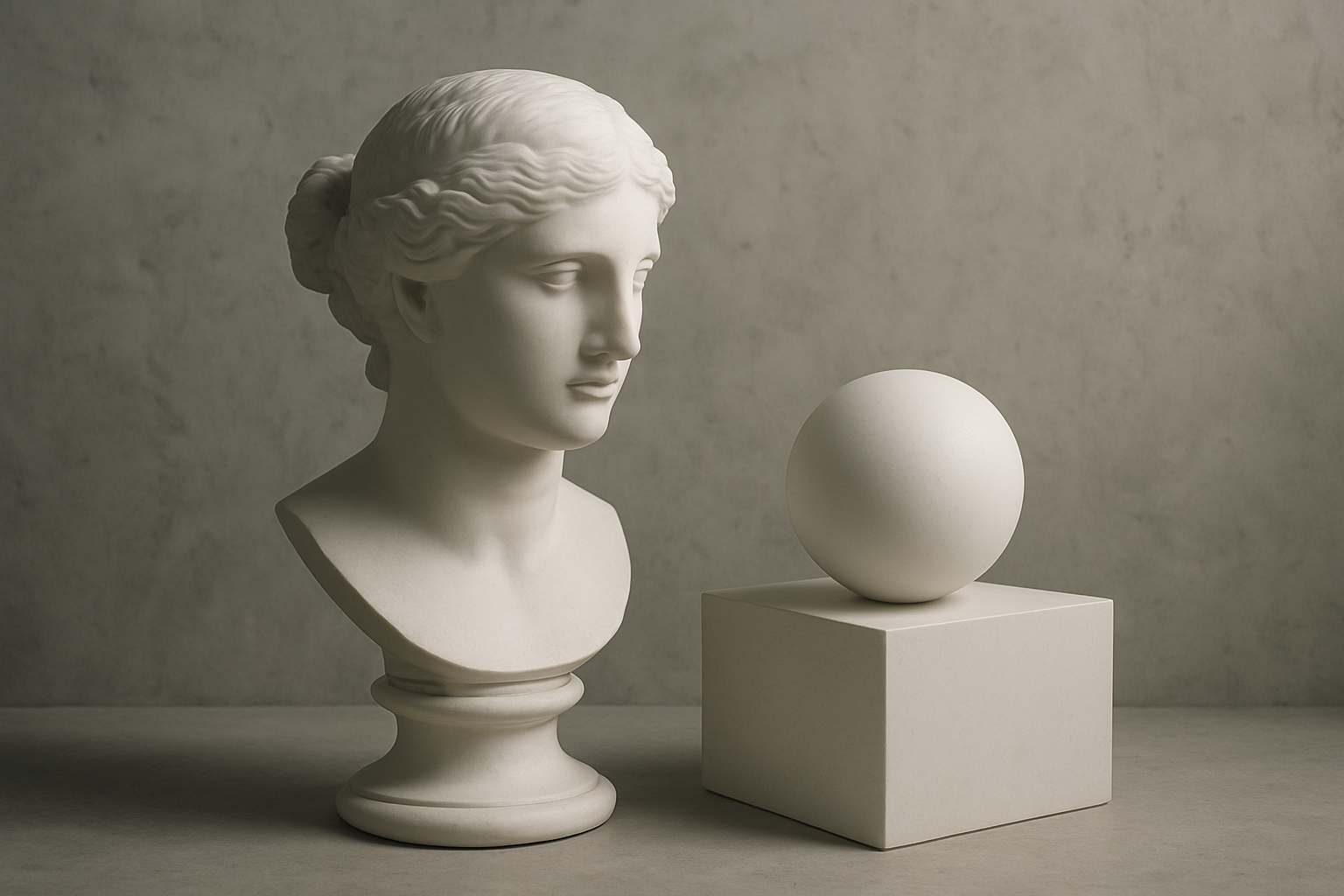
In an era often characterized by overwhelming complexity and clutter, the classical minimalist revolution offers a sanctuary of purity and simplicity. Minimalism, both as a philosophy and an aesthetic, strips away the superfluous, accessing the essence of reality—an antidote to the chaos that pervades modern life.
The Origins of Minimalism
Minimalism as a movement can be traced back to various historical precedents, but it most notably emerged in the post-World War II era, particularly in the fields of visual arts and architecture. Pioneers like Ludwig Mies van der Rohe famously encapsulated the minimalist ethos with his dictum, “Less is more.” This approach sought to eschew ornateness in favor of clean lines and functional design.
“Minimalism is not a lack of something. It’s simply the perfect amount of something.” – Nicholas Burroughs
- Architectural Symplicity: Minimalist architecture emphasizes function, clarity, and light through simple, monolithic forms. The works of architects like Tadao Ando stand as testaments to this principle.
- Artistic Stripping: In art, minimalism reduces forms to their most basic elements, often employing a limited color palette and embracing empty space—see Donald Judd’s sculptures for exemplary instances.
A Modern Philosophy
Today, minimalism is often viewed through the lens of a broader philosophical life choice, much as advocated by proponents like Joshua Fields Millburn and Ryan Nicodemus. Their notion of “The Minimalists” encourages individuals to focus on what truly matters by shedding excess material possessions. As they state on their website, The Minimalists, “minimalism is a tool to rid yourself of life’s excess in favor of focusing on what’s important.”
This modern minimalist movement is not a call for deprivation but rather an appeal to prioritize and value quality over quantity. By doing so, individuals reportedly achieve greater clarity, peace, and fulfillment in their lives—qualities that are increasingly sought after amidst today’s tumultuous sociopolitical and economic landscapes.
Impacts and Reflections
The influence of minimalism extends far beyond personal choice, resonating across consumer culture, business, and technology. For instance, the tech industry, led by companies like Apple, has embraced minimalist design principles in creating user-friendly products.
In sum, the classical minimalist revolution remains a powerful reaction against the frenetic pace of contemporary life. By celebrating pure forms and advocating for intentional living, minimalism offers solutions for navigating complexity with grace and clarity. In doing so, it continually reaffirms its relevance and enduring appeal.