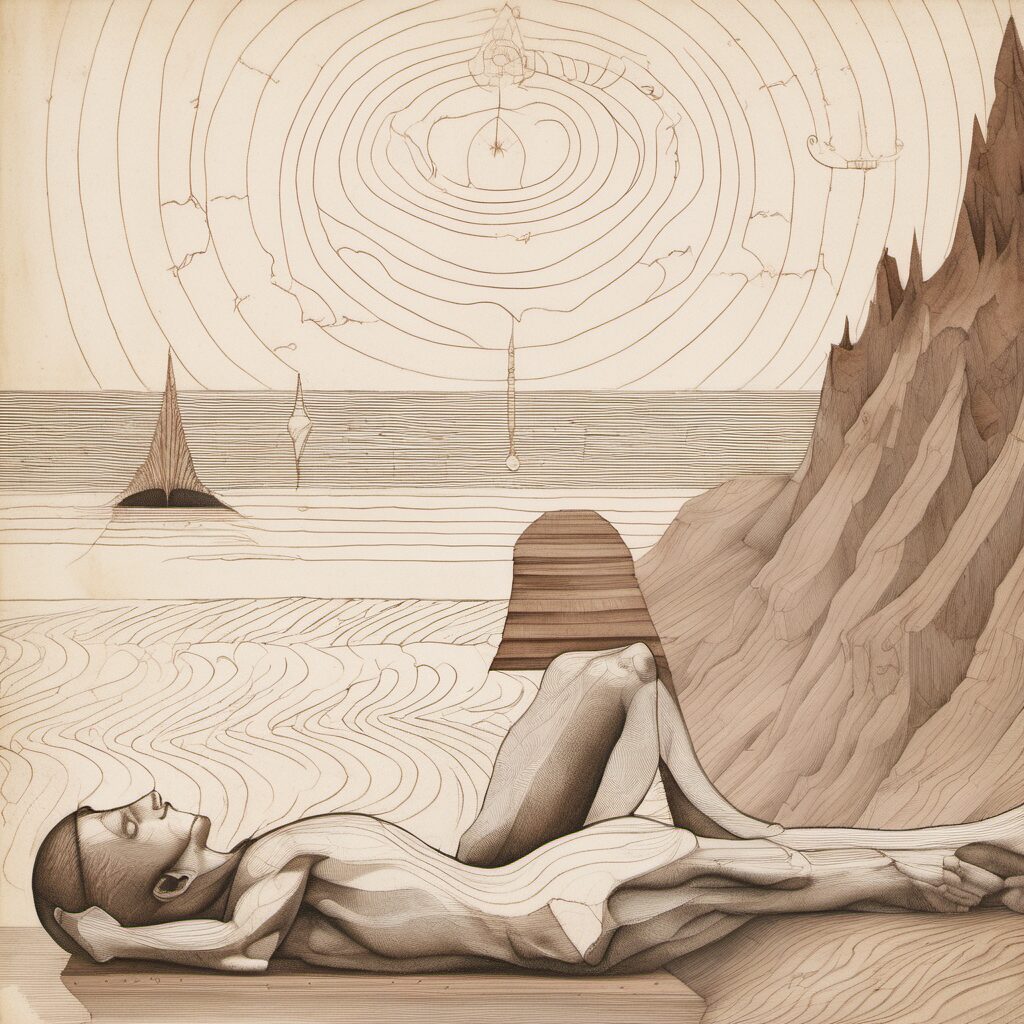
Ethereal Landscapes — How Ambient Music Can Transport You to New Worlds
Ambient music has long been associated with creating immersive environments, transporting listeners to new and unfamiliar worlds. From the earliest experiments of Brian Eno in the 1970s to the present day, ambient music has continued to evolve, incorporating diverse styles and techniques while maintaining its core principles.
What is Ambient Music?
Ambient music is characterized by its calming, atmospheric soundscapes that often feature subtle textures and gradual changes in volume and tone. The term “ambient” was coined by Brian Eno in his 1978 album of the same name, which aimed to create a relaxed atmosphere for listening and working. Ambient music is not meant to be listened to as individual tracks but rather as an immersive experience that transports listeners to another world.
Types of Ambient Music
There are several subgenres of ambient music, each with its unique characteristics and sonic landscapes. Some of the most popular types of ambient music include:
* **New Age**: Characterized by calming, meditative soundscapes often featuring instruments such as the piano or guitar.
* **Dark Ambient**: A darker, more ominous subgenre that incorporates elements of noise and industrial music.
* **Drone**: A type of ambient music that features sustained sounds or melodies played at a constant volume.
* **Experimental Ambient**: A genre that pushes the boundaries of ambient music by incorporating unconventional instruments and techniques.
How Ambient Music Can Transport You to New Worlds
Ambient music has the ability to transport listeners to new worlds due to its immersive nature. The subtle changes in volume, tone, and texture create a sense of depth and dimensionality that draws the listener into the music. This can be attributed to the brain’s tendency to fill in gaps in sound, creating a mental image or scenario based on the sounds being presented.
For example, Brian Eno’s album “Ambient 1: Music for Airports” features four tracks that range from calm and relaxing to more energetic and dynamic. The music is designed to create a sense of space and atmosphere, making it perfect for background listening or as a soundtrack for travel.
Real-Life Examples of Ambient Music in Transportation
Ambient music has been used in various transportation settings, including cars, planes, and trains. For example:
* **Car Stereos**: Many car stereo systems feature ambient music or nature sounds to create a calming atmosphere during long drives.
* **Airplane Entertainment**: Some airlines use ambient music or nature sounds to create a relaxing environment for passengers during flight.
* **Train Stations**: Ambient music is often played in train stations to create a peaceful atmosphere for commuters.
Conclusion
Ambient music has the ability to transport listeners to new worlds due to its immersive and atmospheric soundscapes. From its early experiments by Brian Eno to the present day, ambient music has continued to evolve, incorporating diverse styles and techniques while maintaining its core principles. Whether it’s used in transportation settings or as a tool for relaxation, ambient music is sure to transport you to new worlds.
—
References
- Eno, B., (1978) Ambient 1: Music for Airports. Virgin Records
- New Age (music)
External Links