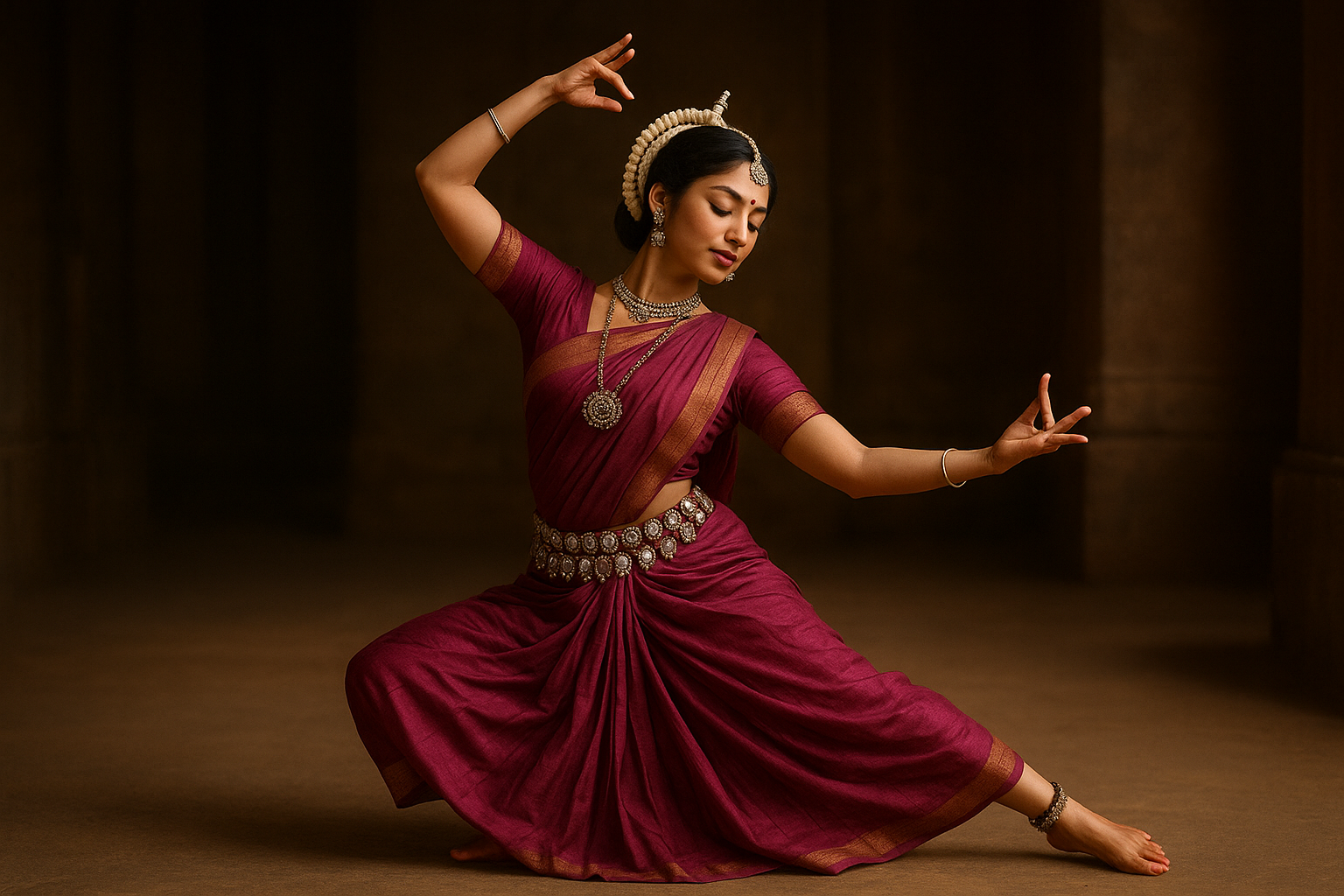
The relationship between dance and spirituality transcends cultural barriers and historical epochs. Throughout history, dance has served as a conduit to the divine, a medium through which individuals can express their spirituality and connect with higher realms of consciousness. Below, we explore various dance forms that embody this sacred purpose.
Bharatanatyam: The Dance of the Divine
Originating from Tamil Nadu, Bharatanatyam is one of India’s oldest classical dance forms and is often regarded as a spiritual offering. Dancers, through intricate footwork, expressive hand gestures (mudras), and facial expressions, narrate stories from Hindu mythology. As elucidated by the renowned Bharatanatyam dancer, Malavika Sarukkai, “Each performance is a transformative experience, both for the dancer and the audience, inviting them into a sacred space of storytelling and spiritual exploration.”
Sufi Whirling: Centripetal Devotion
Sufi whirling is a form of physically active meditation practiced by the Mevlevi Order, a Sufi order founded by Rumi. The dancers, known as dervishes, spin in repetitive circles, a representation of the earth’s rotation. This mystical dance is seen as a spiritual journey, aiming to achieve spiritual insight and transcend the ego. As described in Rumi’s teachings, “Dance, when you’re broken open. Dance, if you’ve torn the bandage off. Dance in the middle of the fighting. Dance in your blood. Dance when you’re perfectly free.”
Butoh: The Dance of Darkness
Hailing from Japan, Butoh is an avant-garde dance form that emerged in the late 1950s. Known for its slow, controlled, and often grotesque movements, Butoh delves into the realms of existential inquiry and spiritual awakening. According to Butoh pioneer Kazuo Ohno, the dance seeks to “explore and reveal the essence of the human condition,” aligning closely with spiritual philosophies that seek understanding beyond the physical realm.
Conclusion
In these diverse yet interlinked dance forms, the act of movement becomes a language of the soul—a metaphysical experience transcending physical reality. Whether through the rhythmical storytelling of Bharatanatyam, the transcendental spinning of Sufi whirling, or the introspective expressions of Butoh, dance continues to be a profound spiritual and mystical journey. As with many expressions of art, it invites a deeper understanding of self and spirit, merging movement with the divine.
“Dance is a conversation between the body and the soul.”