Emotional Precision: Why Neoclassical Avoids Excess
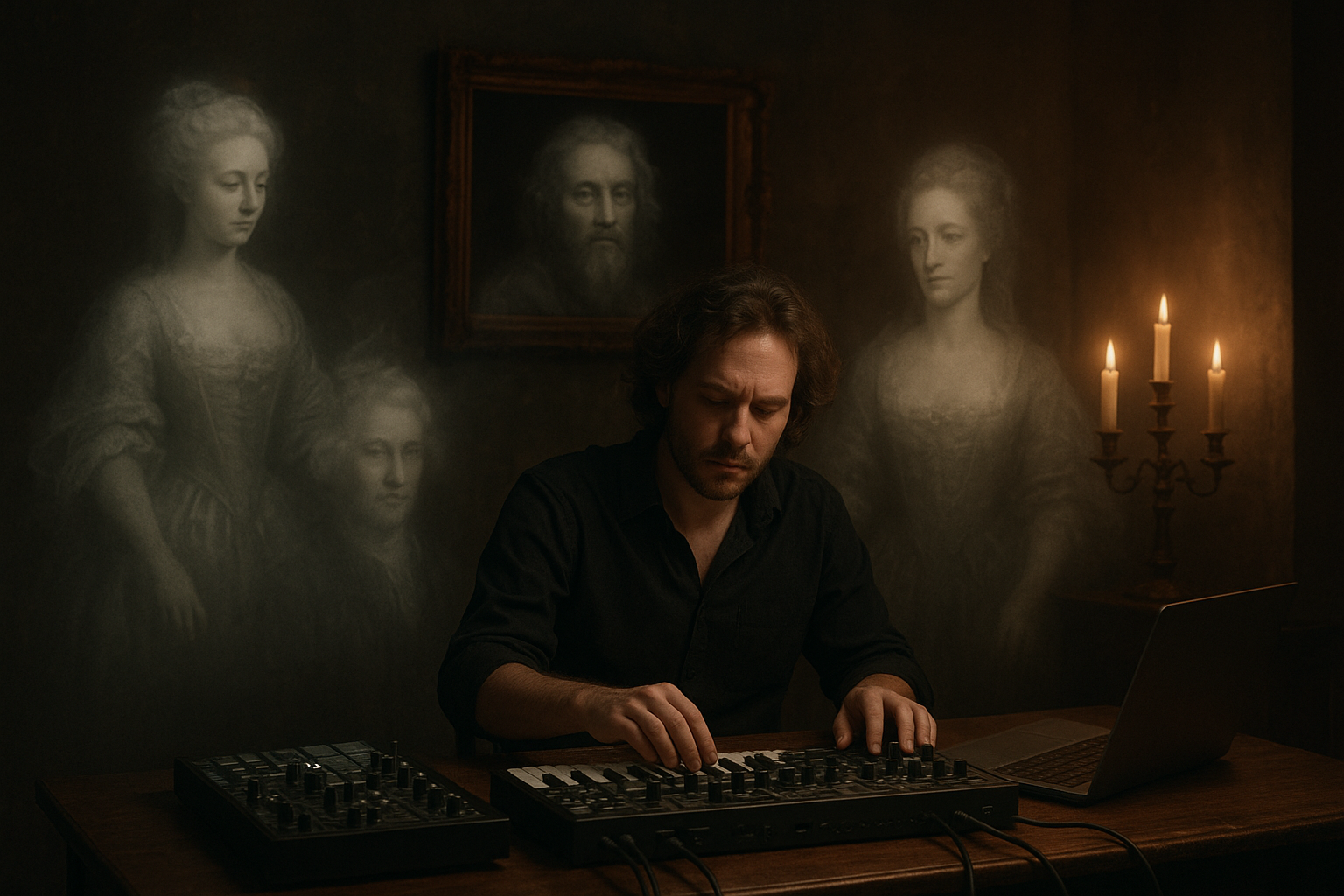
The neoclassical movement, particularly in art and music, champions emotional refinement over excess. It offers a stark contrast to the grandeur of earlier styles like Baroque. This movement centers around the pursuit of clarity, balance, and disciplined emotional expression, which are often achieved through meticulous attention to form and structure.
Historical Context
Neoclassicism emerged in the mid-18th century, inspired by the discovery of ancient Roman and Greek artifacts. This period saw a return to classical ideals—a movement catalyzed by the Enlightenment’s emphasis on reason and rationality. Artists and composers sought to reflect the ideas of harmony and order prominent in ancient cultures.
“It’s a timeless style that values restraint and restraint equals sophistication.” — The Museum of Modern Art
Defined by Discipline
- Structured Elegance: Neoclassical work exemplifies a structural quality, wherein each element serves the purpose of creating a well-balanced whole. This discipline guides the artist away from excessive emotional displays, instead fostering an elegance born of simplicity.
- Emotional Precision: The emotions conveyed in neoclassical pieces are precise rather than overwhelming. This is achieved through carefully selected compositions that evoke a specific sentiment rather than a chaotic blend of feelings.
- Balanced Expression: This movement’s approach is characterized by a preference for equilibrium. The restraint in expression allows for deeper appreciation of the subtleties in each work, aligning with the philosophical ideals of the time.
Impact on Art and Music
In music, composers like Wolfgang Amadeus Mozart and Ludwig van Beethoven (early in his career) epitomized this clarity and formality. Their works emphasize melodic precision and structural clarity. In visual art, figures like Jacques-Louis David brought forward paintings that emphasized clean lines and subdued color palettes, reflecting the neoclassical ethos of emotional economy.
This precision is not a limitation but a refined approach that enables a deeper exploration into the nuanced ranges of human emotion. The neoclassical style’s avoidance of excess allows viewers and listeners to connect with the work on a level that feels both invigorating and intellectually stimulating.
Conclusion
In our modern world, where overstimulation is common, the neoclassical approach offers a breath of fresh air. It demonstrates how precision, rationality, and restraint can produce a different kind of emotional depth—one that is as compelling in its quiet sophistication as it is enduring in its influence.