Stravinsky’s Shock: The Primitive Power of The Rite of Spring
“Music is, by its very nature, essentially powerless to express anything at all.” These are the controversial words of Igor Stravinsky, the composer who shook the early 20th century music scene with the premiere of The Rite of Spring in 1913. It’s a statement that, at least on the surface, might seem at odds with the profound impact his ballet had upon its first audience. Yet, The Rite of Spring continues to challenge conventional ideas about music and its capabilities.
This article explores the primitive power of The Rite of Spring and the cultural shock it caused, examining its innovative elements, its reception, and its lasting influence on music and beyond.
The Creation of The Rite of Spring
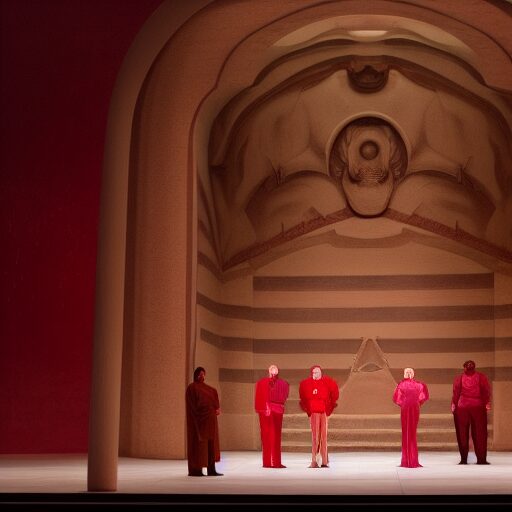
Conceived as part of a collaboration between Stravinsky and the Ballets Russes impresario Sergei Diaghilev, The Rite of Spring was intended to be a work that delved into pre-Christian rituals. Stravinsky described it as a vision of a “great pagan ritual” in which “wise elders, seated in a circle, watch a young girl dance herself to death.” The ballet portrays the raw power and violence that Stravinsky saw as being inherent in nature and human instinct.
Vaslav Nijinsky, the renowned dancer and choreographer of the Ballets Russes, brought Stravinsky’s vision to life with groundbreaking choreography. The dance was as unconventional as the music, characterized by its earthy and angular movements that broke from the grace and fluidity of traditional ballet.
Musical Innovation
Stravinsky’s score for The Rite of Spring is as revolutionary as its thematic elements. The music abandons traditional harmony and melody for complex rhythms and atonal passages. In particular, the piece is famous for its use of polyrhythms—the simultaneous occurrence of multiple, contrasting rhythms—which creates a sense of unpredictability and chaos.
- Rhythm: The core of the ballet’s shock value lies in its rhythmic innovations. The rhythmic irregularity and intricate complexity were something audiences of the early 20th century had never encountered, creating an effect of physical and emotional unease.
- Harmony: Stravinsky employed dissonance unashamedly, with abrupt changes in key and a general sense of harmonic instability. These techniques broke the boundaries of tonal tradition, further contributing to the feeling of rawness and primal power.
- Instrumentation: Stravinsky expanded the orchestral palette by assigning unconventional roles to different instruments, thus enabling them to produce new and startling timbres.
The Paris Premiere and Its Reception
The premiere of The Rite of Spring on May 29, 1913, at the Théâtre des Champs-Élysées in Paris is legendary for its audience’s explosive reaction. The performance soon descended into a riotous uproar, with shouts and fistfights among the audience members who were divided between enthusiasm and outrage.
“Disgust was general at this din, and very soon a battle began. Punches flew, canes were brandished, and the police had to intervene.”
Much of the audience found the music and choreography perplexing and offensive. The narrative of ancient rituals and the primal, seemingly formless nature of the music and dance clashed with contemporary tastes, leading to extreme responses.
The Lasting Influence of The Rite of Spring
Despite—or perhaps because of—the initial tumult, The Rite of Spring went on to become one of the most influential works in the history of music. It radically altered perceptions of what music and dance could express and do.
Influence on Music
- Rhythmic Complexity: Stravinsky’s use of rhythm directly influenced composers throughout the 20th century. Musicians such as Béla Bartók, Leonard Bernstein, and Philip Glass have acknowledged its impact on their work.
- Freedom from Tradition: The move away from traditional harmony opened the door for future explorations in atonality and avant-garde musical styles. It inspired countless composers to explore bold and innovative directions.
Impact Beyond Music
The influence of The Rite of Spring transcends music. The score and dance defied the conventional boundaries of their time and continue to inspire various art forms, including film, literature, and fine arts. Its thematic focus on primal human instincts reflected broader early 20th-century concerns about modernity and the subconscious mind, paralleling movements in psychoanalysis and art.
Conclusion
Stravinsky’s The Rite of Spring remains a potent symbol of the power of art to challenge, provoke, and redefine cultural norms. Its initial shock value has only amplified its significance over time. As audiences have become more accustomed to what was once radical, The Rite of Spring continues to stand as a tribute to the ever-evolving nature of artistic expression. Stravinsky’s work demonstrated that music, indeed, might not have the power to express anything specific, yet the raw emotion it evokes and the boundaries it challenges speak volumes.