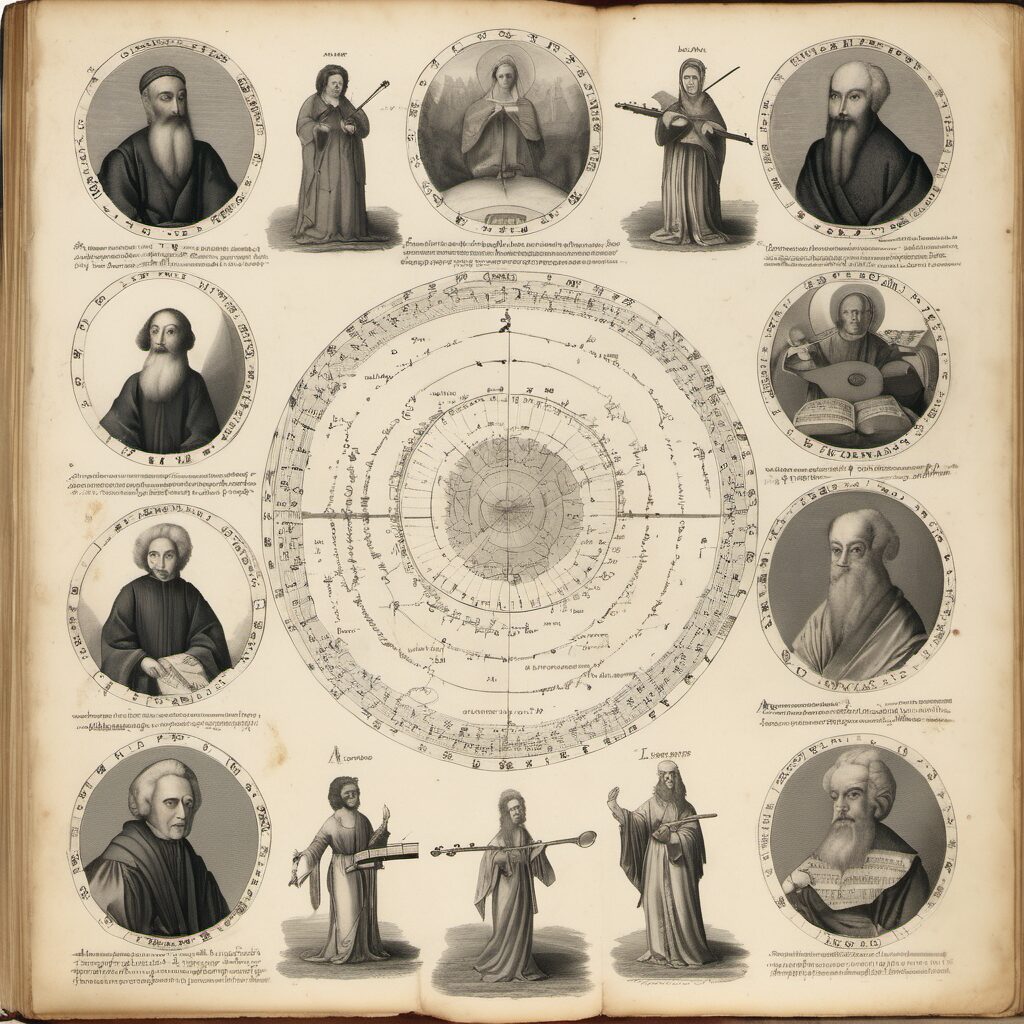
A Guide to Understanding Musical Instruments: From Flute to Violin
When it comes to music, understanding the instruments that create the sounds we love can be just as important as the melodies themselves. In this guide, we’ll take a journey from the flute to the violin, exploring the unique characteristics and histories of these iconic instruments.
The Flute: An Ancient Instrument
The flute is one of the oldest known musical instruments, with evidence of its use dating back over 35,000 years. As described by musicologist Nicholas Cook in his book “Music: A Very Short Introduction”, “the flute is a simple instrument to make and play, but it has a unique timbre that is difficult to replicate on other instruments.” With its wide range of pitches and expressive capabilities, the flute remains a popular choice for musicians across genres.
- Fun fact: The flute was originally made from bamboo or wood, with finger holes cut into the material.
- Quote: “The flute is an instrument of great simplicity and yet of great expressiveness.” – Jacques Chambon
The Violin: A Staple of Classical Music
The violin, with its distinctive bowing technique and range of tonal possibilities, has been a cornerstone of classical music for centuries. As described by violinist and pedagogue Jascha Heifetz, “the violin is an instrument that requires great technical skill, but also great emotional depth.” With its versatility in solo performances, chamber music, and orchestral settings, the violin remains a beloved instrument among musicians and audiences alike.
- Did you know? The modern violin has undergone numerous changes since its invention in the early 17th century, with innovations like the introduction of metal strings and the development of new bowing techniques.
- Quote: “The violin is a universe that can be explored in depth.” – Yehudi Menuhin
Closing Thoughts: The Power of Musical Instruments
As we explore the flute and violin, two instruments that have captivated audiences for centuries, it’s clear that their unique characteristics and expressive capabilities are what make music so rich and diverse. Whether you’re a seasoned musician or simply an enthusiast, understanding these instruments can enrich your appreciation of music itself.
“Music is the universal language that transcends words and cultures.” – Pablo Casals