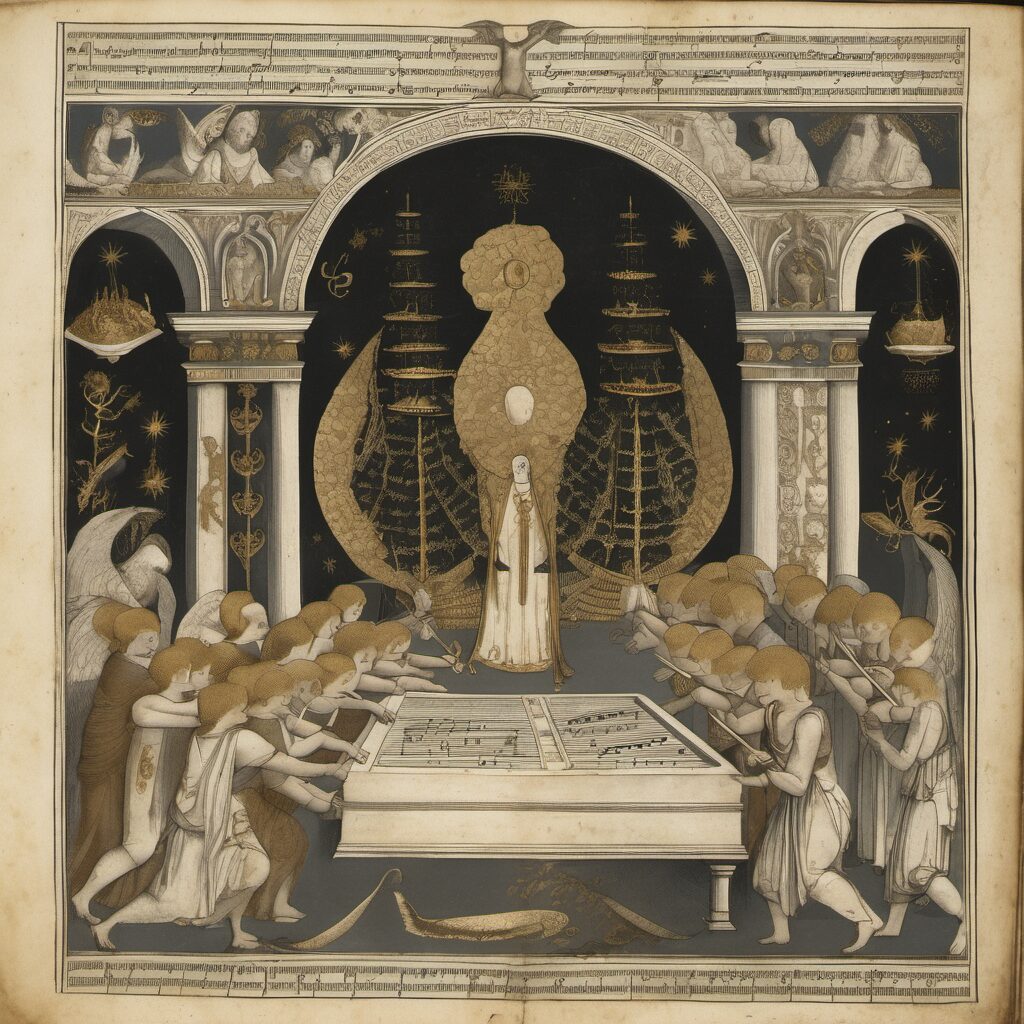
The Importance of Experimentation in Classical Music
Classical music has long been associated with tradition, formality, and a sense of timelessness. However, experimentation plays a vital role in pushing the boundaries of this art form and keeping it relevant to contemporary audiences.
- A Fresh Perspective: Experimentation allows composers to bring new ideas and approaches to the table, breathing life into traditional classical music forms.
- Breaking Free from Conventions: By exploring unconventional sounds, rhythms, and structures, musicians can create unique pieces that depart from the expected norms of classical music.
As composer and conductor Gustav Mahler once said, “Tradition is not what we have inherited from our fathers, but what we are passing on to our children.” This sentiment highlights the importance of innovation within the classical music tradition.
“The more I experiment with sounds, the more I realize how little we know about sound itself.” – Olivier Messiaen
Experimentation has been a hallmark of many notable composers throughout history. For instance, Igor Stravinsky’s The Rite of Spring, which premiered in 1913, was a groundbreaking work that shocked audiences with its dissonant harmonies and unconventional rhythms.
- Pioneering Spirit: Experimentation has always been the driving force behind artistic progress. By embracing new sounds and techniques, classical musicians can continue to evolve and stay relevant in an ever-changing world.
- Connecting with Contemporary Audiences: By incorporating modern elements into their work, composers can create pieces that resonate with contemporary audiences, fostering a deeper connection between the art form and its listeners.
In conclusion, experimentation is essential to the continued growth and relevance of classical music. As we move forward, it’s crucial to continue pushing the boundaries of what is possible, allowing for new discoveries and innovations to emerge.
Learn more about classical music and how experimentation has shaped its evolution over time.