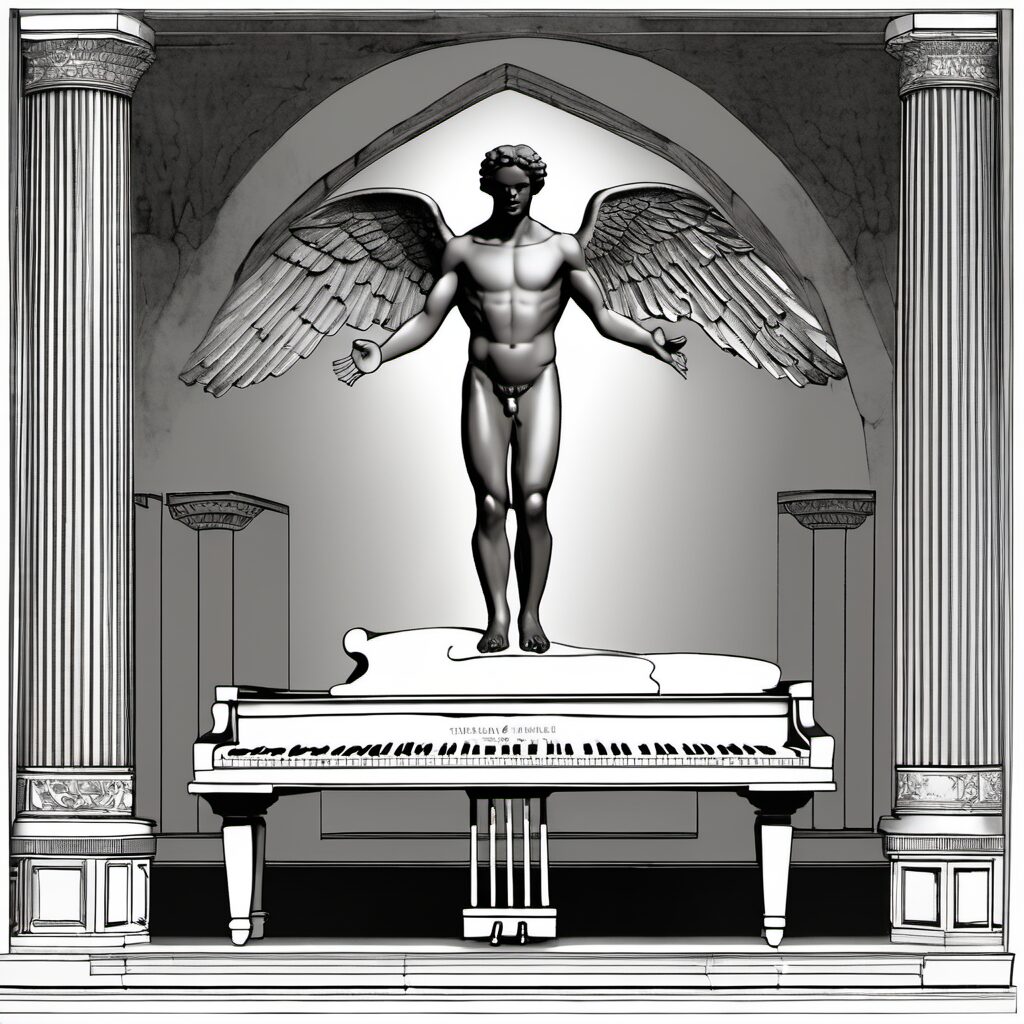
Classical Music as a Form of Storytelling
Classical music has long been regarded as an art form that evokes emotions and transports listeners to another world. One of the most effective ways to convey this is through storytelling, which allows composers to craft emotional journeys through their compositions. In this article, we will explore how neoclassical compositions can be used as a form of storytelling and what makes them so effective.
The Power of Storytelling in Music
Storytelling is an ancient art form that has been used across cultures to convey messages, emotions, and ideas. In music, this takes the form of composition, where notes and melodies are carefully crafted to tell a story or evoke a particular mood or atmosphere. A good piece of classical music should engage the listener emotionally and intellectually, using melody, harmony, and rhythm to create a narrative that is both beautiful and meaningful.
Neoclassical Compositions as Emotional Journeys
Neoclassical compositions are particularly well-suited for storytelling due to their focus on clarity, simplicity, and balance. These compositions often feature clear themes and motifs, which can be used to convey different emotions or ideas throughout the piece.
- Clarity: Neoclassical music is known for its clarity of structure and form. This makes it easy for listeners to follow the narrative arc of a piece and understand the composer’s message.
- Simplicity: Neoclassical compositions often feature simple, memorable melodies that can be easily recognized by the listener. This simplicity allows the listener to focus on the emotional impact of the music rather than getting lost in complex harmonies or rhythms.
- Balance: Neoclassical music often features a balance between different elements such as melody, harmony, and rhythm. This balance creates a sense of tension and release that can be used to convey emotions and ideas.
Examples of Emotional Journeys in Neoclassical Music
One of the most famous examples of emotional journeys in neoclassical music is Bach’s Cello Suites. These suites feature a range of moods and emotions, from the gentle sweetness of Suite No. 1 to the intense passion of Suite No. 2.
“The cello suite is not just music for the cello, but also an entirely new world with its own rules and logic.” – Johann Sebastian Bach
The Role of the Listener in Storytelling
The listener plays a crucial role in storytelling through music. While the composer creates the narrative arc and emotional journey of the piece, the listener’s interpretation is subjective and personal.
- Interpretation: Listeners bring their own experiences and emotions to the listening experience, which can affect how they interpret the music.
- Imagination: The listener’s imagination can fill in gaps in the narrative and create a more personal connection with the music.
Conclusion
Classical music as a form of storytelling is a powerful medium for conveying emotions, ideas, and experiences. Neoclassical compositions are particularly well-suited for this purpose due to their clarity, simplicity, and balance. By understanding the role of the listener in storytelling through music, we can deepen our connection with the music and appreciate its emotional power.
References: Wikipedia – Neoclassical Music Bach – Cello Suite No. 1 in C major, BWV 1007
Author – Article Author