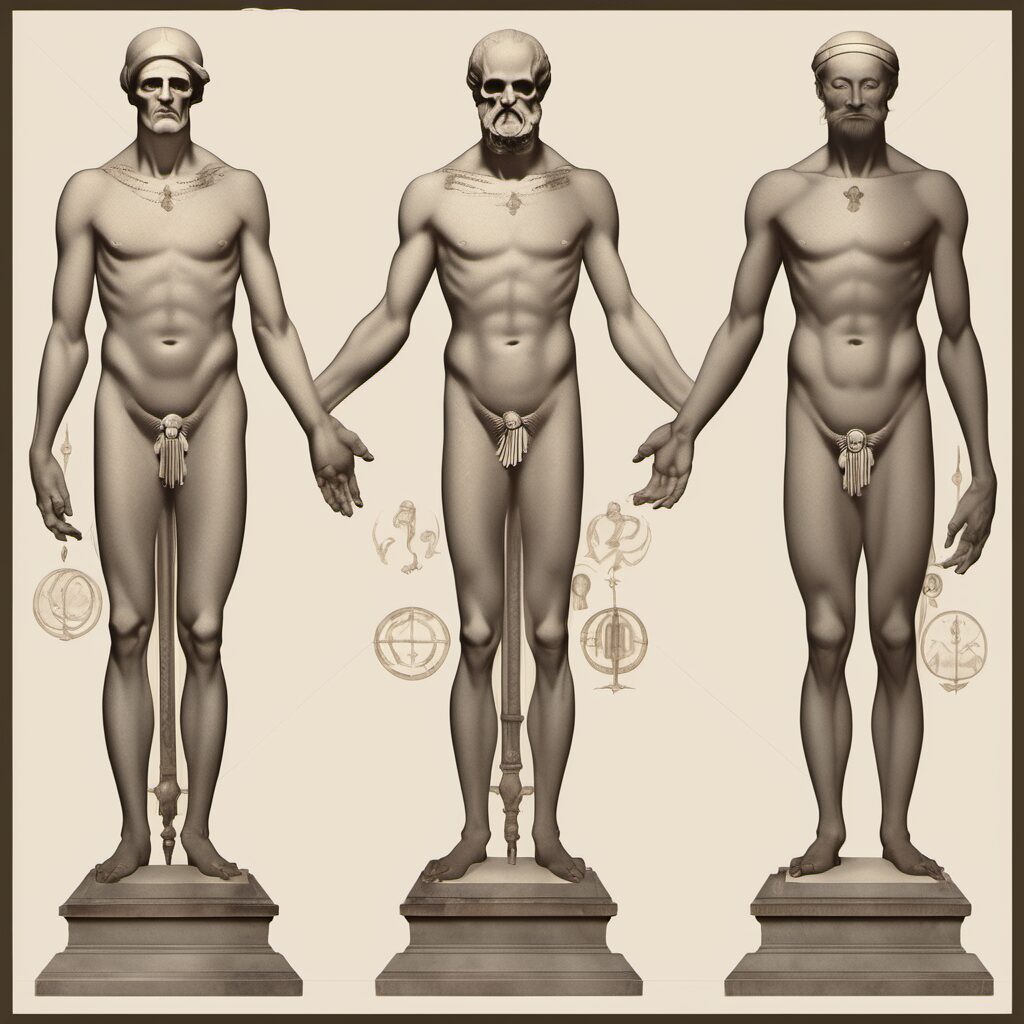
Neoclassical Influences on Contemporary Electronic Music Producers
The world of electronic music has evolved significantly over the years, with various genres and sub-genres emerging. However, a distinct trend can be observed in contemporary electronic music producers – the growing influence of neoclassical music.
What is Neoclassical Music?
"Neoclassicism is an attitude and a set of aesthetic values which look back to the 18th century". – Pierre Boulez
Neoclassical music refers to the classical music tradition that emerged in the late 20th century. It draws inspiration from 18th-century classical music, but with a modern twist.
Influence of Neoclassical on Electronic Music Producers
- Repetition and Variation: Many electronic music producers have adopted the neoclassical technique of repetition and variation. This involves taking a melodic idea or theme and repeating it in different ways, with slight variations.
- Counterpoint: Neoclassicism also draws on the concept of counterpoint – where multiple melodies are woven together to create a complex sound. This can be seen in many contemporary electronic music producers’ use of layered vocals and melodies.
- Influence of Bach: The influence of Johann Sebastian Bach is evident in the work of many electronic music producers. His fugues, for example, have been reinterpreted in electronic music as complex, interlocking patterns.
Examples of Neoclassical Influences in Electronic Music
- Four Tet – There’s a Place Beyond Time (2001) – This album features many neoclassical influences, including the use of counterpoint and repetition.
- Ryan Lott – Partita (2011) – This album is a contemporary take on Bach’s Partitas, featuring complex counterpoint and neoclassical melodies.
- Caribou – Our Love (2014) – This album features many neoclassical influences, including the use of repetition and variation.
Future of Neoclassical Influences in Electronic Music
The influence of neoclassical music on contemporary electronic music producers will only continue to grow. As producers become more familiar with the techniques and concepts of neoclassicism, we can expect to see even more innovative and complex works.
References
- Boulez, P. (1971). Theorie des champs sonores. Paris: Seuil.
- Lott, R. (2011). Partita. Berlin: BIS.
- Four Tet. (2001). There’s a Place Beyond Time. ECM.
- Caribou. (2014). Our Love. Fink.