Category: Uncategorized

  • When Harmony Becomes Light – Mysticism in the Late Classical Period

    When Harmony Becomes Light – Mysticism in the Late Classical Period

    The Late Classical Period, roughly spanning the fourth to the fifth century, was a transformative era where mysticism and the concept of divine harmony reached their zenith. As the ancient world grappled with upheaval and reorganization, a profound shift in the spiritual landscape began to unfold, blending philosophy, religion, and art into a singular harmonious vision.

    The Fusion of Philosophy and Mysticism

    During this period, Neoplatonism emerged as a dominant philosophical movement that profoundly influenced mystical thought. Founded by Plotinus in the 3rd century, Neoplatonism continued to flourish into the Late Classical Period, advocating the idea that everything emanates from a single, divine source. This “One” was seen as the ultimate reality, beyond human comprehension yet accessible through spiritual ascent and inner revelation.

    “The universe is so harmonious that it reveals its beauty only to those who are willing to see it.”

    Plotinus’ disciple, Porphyry, continued to lay the groundwork for mystical practices aimed at achieving unity with the divine. His works, along with those of Iamblichus, who introduced theurgy into mystical practices, increasingly depicted the divine as a light that could guide the soul towards spiritual enlightenment.

    Art as a Reflection of Divine Harmony

    Art from this period also reveals a shift towards depicting spiritual journeys and divine light. Mosaics, paintings, and sculptures from Late Classical times frequently used light as a metaphor for divine truth.

    • Light-filled Mosaics: Churches and places of worship were adorned with mosaics characterized by bright, shimmering tesserae that depicted heavenly scenes, angels, and figures bathed in divine radiance.
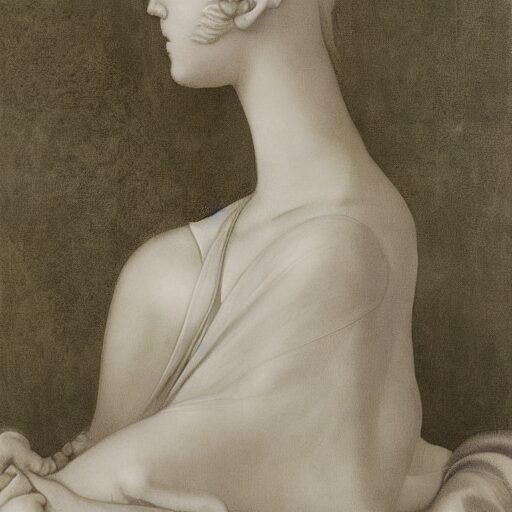
    • Symbolism in Sculpture: Sculptures often portrayed ascension and mystical experiences, with figures carved in serene expressions contemplating the divine.

    These artistic endeavors captured the era’s zeitgeist—a yearning for harmony that transcended the chaotic world, aspiring for a connection with the divine light.

    Transcending Reality

    The synthesis of mysticism and classical tradition in this era highlights a pivotal moment where philosophy, art, and spiritual quest coalesced. As philosopher Plotinus imagined, the journey of the soul could ascend through various levels of reality to ultimately reunite with a source of profound light and harmony.

    Thus, the Late Classical Period stands as a testament to human yearning for mystical union amidst the desire to understand one’s place within the cosmos. In weaving together these strands of philosophy, art, and religious experience, the period remains an enduring beacon of light, illuminating a path for future generations seeking spiritual harmony.

  • Breathing Through the Notes – Spiritual Intuition in Classical Composition

    Breathing Through the Notes – Spiritual Intuition in Classical Composition

    The profound connection between spirituality and classical music has intrigued composers and audiences alike for centuries. The ethereal art of weaving spiritual intuition into music creates a mystical tapestry that transcends time and culture. Classical composers, through their unparalleled gift of blending divinity with melody, enable audiences to experience spiritual awakening and enlightenment through their compositions.

    “Music is the mediator between the spiritual and the sensual life.” – Ludwig van Beethoven

    The Intersection of the Spiritual and the Musical

    The essence of spiritual intuition in classical composition is often found in the profound emotional resonance and philosophical depth within the works of great composers. This spiritual depth stems not merely from the notes themselves but from the spaces and silences between them, where intuition breathes life into the music.

    • Johann Sebastian Bach (1685-1750)

      Bach’s music is often regarded as a direct conduit to the divine. His cantatas and oratorios, infused with intricate polyphonic structures, embody a spiritual devotion that transcends religious boundaries. Bach believed his music was a tribute to the glory of God, as reflected in his inscription “Soli Deo Gloria” on many of his scores.

    • Ludwig van Beethoven (1770-1827)

      Even as Beethoven struggled with deafness, his compositions reflect a powerful spiritual journey. Works like the Ninth Symphony with its “Ode to Joy” finale symbolized hope and universal brotherhood, connecting listeners to a higher sense of unity.

    • Arvo Pärt (1935-)

      Known for his minimalist approach, Pärt’s compositions deeply resonate with the ethos of spiritual introspection. His signature “tintinnabuli” style renders music that is meditative and transcendent, drawing listeners into a state of contemplative reflection.

    The Role of Intuition in Composition

    Intuition in composition is not only about inspired creation but also about the ability to listen—listening to one’s inner voice and translating that into something audible and tangible. Composers often describe this process as an internal dialogue with a force greater than themselves.

    “The inspiration of a noble sentiment, can be but a feeling, which has no words.” – Franz Liszt

    This internal process can often involve:

    • Dream States: Many composers draw upon dreams for inspiration, with the subconscious lending fragments of melodies and harmonies.
    • Silence and Solitude: The act of ‘listening’ to one’s own silence can provide fertile ground for ideas. This silence allows the mind to access deeper layers of consciousness.
    • Emotional Catharsis: Transforming emotional experiences into music is a cathartic process that channels intuition into physical form.

    Case Studies: Music as a Spiritual Practice

    Beyond the traditional concert hall, there are numerous examples of composers using their work as a spiritual practice:

    • Olivier Messiaen (1908-1992)

      Messiaen’s “Quartet for the End of Time”, composed during his imprisonment in World War II, was inspired by the Apocalypse from the Book of Revelation. This piece reflects his deep Catholic faith, portraying time suspended in a transcendent moment of spirituality.

    • John Tavener (1944-2013)

      Famously known for his composition of “The Protecting Veil”, Tavener viewed music as a direct pathway to the divine. His works frequently draw upon religious and spiritual texts, exploring the mysteries of creation and existence through music.

    The Auditory Journey: Listeners as Part of the Spiritual Experience

    The relationship between composer and audience forms a unique and powerful spiritual connection. Listeners engage in an active process of interpretation and reflection. This process allows audiences to not only hear the music but to feel and live it, offering their own intuition as a participant in the sacred act of musical communion.

    In modern times, audiences can experience this transformative power through:

    • Live Performances: Concerts create a shared space where the communion between performer, composer, and audience generates a palpable spiritual presence.
    • Digital Access: Streaming platforms allow a global audience to connect with classical music’s spiritual essence at any time, making the experience more accessible than ever.
    • Interactive Technologies: Virtual reality and immersive technologies are creating new ways for listeners to engage with the spatial and emotional depth of classical compositions.

    Conclusion: The Eternal Dialogue

    Spiritual intuition in classical composition is not confined to a historical past but continues to evolve. Composers today are inspired by the same transcendent ideals that spurred legendary maestros centuries ago. In this eternal dialogue between the earthly and the divine, classical music remains a sacred language that speaks directly to the soul.

    As listeners and aspiring composers alike continue to explore this profound relationship, we are reminded of the infinite possibilities that arise when spiritual intuition and classical tradition coalesce. As Beethoven so aptly asserted, music remains the ultimate bridge to the spiritual realm.

  • The Silent Architecture of Melody – How Classical Composers Built Musical Cathedrals

    The Silent Architecture of Melody – How Classical Composers Built Musical Cathedrals

    The world of classical music is often compared to grand architectural structures. Like the soaring ceilings and intricate designs of cathedrals, classical compositions are built with precision and reverence. These majestic creations, scored on paper, echo through time, connecting us with the minds of the music architects. This intricate process of musical construction goes beyond mere notes, transforming them into profound experiences akin to walking through a vast, echoing cathedral.

    The Foundations: The Tonal Blueprint

    Every grand work, whether cathedrals of stone or symphonies of sound, begins with a solid foundation. In music, this is provided by tonality. The tonal center acts much like a foundation stone, anchoring the entire structure. Johann Sebastian Bach, a master of tonal architecture, often used the interplay of harmonies to create resounding structures.

    “I was obliged to be industrious. Whoever is equally industrious will succeed equally well.” – Johann Sebastian Bach

    Bach’s industrious approach to the use of counterpoint offers clear parallels to the architectural buttresses of cathedrals, where each line of music supports another, crafting an intricate web of sound.

    Structure: Musical Blueprints and Form

    Just as architects use blueprints, composers rely on musical forms to give shape to their creations. Forms such as sonata-allegro, minuet and trio, and rondo serve as the structural templates upon which melodies and harmonies are built.

    • Sonata Form: Often used in the first movements of symphonies, it consists of three main sections: exposition, development, and recapitulation. Ludwig van Beethoven revolutionized this form, using it to convey a narrative journey.
    • Fugue: A compositional technique that builds complex structures with interwoven melodies. Bach’s “The Art of Fugue” remains a testament to the complexity and architectural beauty that can be achieved through mastery of form.
    • Symphony: A full-scale architectural undertaking, symphonies are akin to musical cathedrals themselves. They encompass a wide range of emotions and themes, demonstrating the vast potential of orchestral architecture.

    The Building Blocks: Themes and Motifs

    At the core of classical music’s architectural brilliance lies the thematic material—small melodic fragments that composers craft into grand edifices. Just as stained glass pieces combine to depict biblical stories, motifs unite to tell musical narratives.

    Take Ludwig van Beethoven‘s Symphony No. 5. The iconic four-note motif (“da-da-da-DUM”) serves as the cornerstone, recurring throughout and structuring the work. These motifs are akin to the repeated patterns and structures in Gothic cathedrals, such as rose windows or elaborate stone carvings.

    The Ornamentation: Dynamics and Expression

    Ornamentation in music, much like the embellishments of a cathedral, adds emotional depth and complexity. Dynamics (the volume changes in music) and expressions (how notes are played) create contrast and interest.

    • Crescendo and Decrescendo: Gradual increases and decreases in volume parallel the rising arches and descending vaults in cathedrals, guiding listeners through a transformative journey.
    • Articulation: Techniques such as staccato and legato offer texture and motion, much like the intricate carvings on cathedral columns that tell their own stories.

    Unity and Diversity: The Role of the Orchestra

    In the orchestral realm, composers arrange a plethora of instruments to achieve a rich, sonorous harmony, akin to the interplay between light and shadow in a cathedral. Each instrument’s voice contributes to the overall tapestry, whether through the resonant strings that provide warmth or the clarion call of brass that commands attention.

    Understated yet essential is the role of wind instruments, often highlighted in great cathedrals by the sound of the organ. Composers like Wolfgang Amadeus Mozart mastered this interplay, weaving together textures and colors with a deft hand.

    In the words of Leonard Bernstein during his offering on the “Unanswered Question: “

    “Music can name the unnameable and communicate the unknowable.” – Leonard Bernstein

    The Nuanced Acoustics: Harmony and Resonance

    Acoustics, the final pillar of musical architecture, play a significant role in both cathedrals and symphonies. Just as the stone arches and domes of a cathedral shape the flow of sound waves, so do the harmonies within a composition determine its resonance.

    • Chord Progressions: These provide stability or create tension, much like the support beams and arcs within physical architecture. Romantic composers like Franz Schubert and Frédéric Chopin leveraged harmonies to evoke profound emotional landscapes.
    • Overtones: Natural resonances that contribute richness to a piece, akin to sunlight filtering through a cathedral’s stained glass. The use of overtones in music enhances the sonic tapestry, infusing it with an ethereal quality.

    Conclusion: The Everlasting Edifice

    In the silence that follows the final note of a symphony, there lingers a profound realization of having traversed a mighty edifice—a musical cathedral built by the greats of classical composition. As listeners, we are privileged participants, inhabitants for a time of these vast, sonorous spaces.

    The legacy of composers like Bach, Beethoven, and Mozart lives on, echoing through concert halls just as cathedrals have for centuries stood testament to human ingenuity and spirit. These sound architects have crafted structures that, rather than remaining as stone and mortar, have the power to transcend time and space, existing perpetually in the hearts and minds of those who listen.

    Such is the silent architecture of melody – a testament to the enduring power of music to build and rebuild, time and again, the towering cathedrals of the soul.

  • Resonance Beyond Silence

    Resonance Beyond Silence

    In the intricate dance between sound and silence, where one begins and the other ends, something extraordinary emerges: resonance. The concept of resonance transcends mere acoustics and moves into the realms of emotion, memory, and communication. This article explores how resonance operates beyond the confines of silence, touching upon its psychological, cultural, and artistic implications.

    The Physics of Resonance

    At its core, the concept of resonance in physics refers to the tendency of a system to oscillate at larger amplitudes at certain frequencies. When the frequency of these oscillations matches the system’s natural frequency, the system absorbs energy most efficiently. This principle is commonly demonstrated in the way a singer can shatter a glass with just their voice by sustaining the note that matches the glass’s resonant frequency.

    As Encyclopedia Britannica explains, “Resonance occurs when a vibrating system or external force drives another system to oscillate with greater amplitude at a specific preferential frequency.”

    Resonance in Psychology

    Beyond the scientific domain, resonance extends into psychological responses. Often, music or poignant words resonate with us due to their emotional alignment with our values, experiences, or feelings. This psychological resonance creates a powerful connection between the source of the sound and the listener, facilitating deeper understanding and empathy.

    Clinical psychologist Dr. Martha K. McClintock stated, “Our experiences of resonance, particularly in music, are heavily tied to emotional expression and the activation of memories, both conscious and unconsciously stored.” Resonance thus acts as a bridge between our external world and internal psyche, highlighting the profound impact silence and sounds have on our mental landscape.

    Resonance in Culture and Society

    Cultural landmarks have leveraged resonance to affect audiences profoundly. In filmmaking, for instance, moments of silence can speak louder than words, effectively using auditory absence to create suspense or evoke emotion. Alfred Hitchcock was a master of this technique, letting silence amplify anxiety and anticipation in films like “The Birds.”

    “The ultimate weapon of a director is the word silence.”

    — Alfred Hitchcock

    Moreover, literature often uses silence in dialogue to convey tension or unspoken understanding. This subtlety allows readers to feel the resonance in empty spaces, engaging their imagination to fill gaps with personal interpretations.

    Resonance in Artistic Expression

    Artistic endeavors have harnessed resonance to expand their expressive capabilities. In visual arts, resonance may manifest not through absence but through juxtaposition—a quiet still-life painting placed next to a vibrant abstract piece can evoke a deeper contemplation of each when viewed together. The contrast highlights unique elements and creates a silent dialogue between opposites.

    In the realm of music, composers often craft pieces that play with sound and silence to evoke specific emotional responses from the audience. Consider John Cage’s 4’33”, an avant-garde work that ingeniously uses silence to challenge traditional notions of music and listenership. In this piece, the ‘music’ comes not from notes played but from the ambient sounds present in the space as perceived by the audience.

    “There’s no such thing as silence. What they thought was silence, because they didn’t know how to listen, was full of accidental sounds.”

    — John Cage

    Conclusion

    Resonance, while born of silence, reaches far beyond it, impacting our interactions with the world and one another in intricate ways. Whether through the science of physics, the nuances of psychological impact, the cultural narratives we create, or the artistic expressions we cherish, resonance is a powerful force that shapes human experience.

    As we continue to navigate through the complex interplay of silence and sound in our everyday lives, recognizing the resonance beyond silence may bring us closer to understanding the hidden layers of meaning that lie in between. In embracing this interplay, we allow silence to speak and resonance to echo through the halls of our collective consciousness.

  • Resonance Beyond Silence

    Resonance Beyond Silence

    The concept of resonance typically brings to mind the harmonious sounds of musical instruments or the synchronized vibrations of physical objects. However, in the realm of technology and science, resonance transcends auditory boundaries and echoes across the silent vistas of digital communication, architectural design, and quantum physics.

    Architectural Symphony

    In the field of architecture, resonance finds its expression through structures designed to interact eloquently with their environments. According to Architectural Digest, “The relationship between a building and its environment is as crucial as the design itself.”

    • Acoustic Resonance: Ensures that spaces like concert halls have perfect sound delivery.
    • Structural Resonance: Guides the creation of towers that withstand natural forces like wind and earthquakes.

    “Resonance is not just what we hear. It’s a dance between materials and nature, right down to the silent orchestration of particles.” — Jane Sanders, Acoustic Consultant

    Quantum Chords

    In quantum physics, resonance stands as a bridge connecting classical and quantum worlds. Quantum resonance enables advancements in technologies such as quantum computing and magnetic resonant imaging (MRI).

    • Quantum Computing: Harnesses resonance phenomena to process information at unprecedented speeds.
    • MRI Technology: Uses nuclear magnetic resonance to produce detailed images of the inside of the human body.

    These innovations owe much to the work of pioneers like Richard Feynman, who famously noted, “There’s plenty of room at the bottom,” predicting the potential of manipulating atoms, the fundamental playing cards of resonance in this domain.

    Digital Echoes

    Digital resonance, meanwhile, is exemplified by the interconnectivity in internet-based communication, where the rapid transmission of ideas mirrors the concept of acoustic resonance.

    “In digital spaces, resonance is about connection. It’s about creating rhythms in communication that echo across networks.” — Mark Zuckerberg, CEO of Meta

    A Harmonious Future

    The idea of resonance beyond silence invites a contemplation of how these silent vibrational synergies can be harnessed beyond traditional boundaries. Innovators in various fields continue to explore how the invisible resonant threads can lead to a more connected and advanced future.

    The challenge remains to leverage these silent resonances in creating technologies that not only advance human capabilities but do so sustainably and ethically. Through thoughtfully designed architectures, quantum advancements, and digital networks, resonance becomes more than an acoustic phenomenon—it’s an instrumental chord in the symphony of modern innovation.

  • The Opening of Also sprach Zarathustra: Strauss’s Iconic Orchestration

    The Opening of Also sprach Zarathustra: Strauss’s Iconic Orchestration

    The Opening of Also sprach Zarathustra: Strauss’s Iconic Orchestration

    The world of orchestral music is replete with stunning compositions that have captivated audiences for centuries. Among such remarkable pieces, Richard Strauss’s Also sprach Zarathustra stands out, partly due to its iconic opening that has transcended classical music circles and embedded itself into popular culture.

    Introduction to Strauss’s Masterpiece

    Composed in 1896, Also sprach Zarathustra is a tone poem inspired by Friedrich Nietzsche’s philosophical novel of the same name. Strauss’s orchestration captures the book’s essence—ideas of existentialism, the death of God, and the Übermensch—in a musical form.

    The piece is divided into nine sections, each representing different themes from Nietzsche’s work. However, it is the opening fanfare, often dubbed “Sunrise,” that has become iconic. The grandiose and profound notes depict the metaphor of the philosophical dawn and human striving for enlightenment.

    The Iconic Opening: An Analysis

    The fanfare begins with a low pedal C on the double basses, contrabassoon, and organ, creating a mood of suspense and anticipation. Over this base, a C-G-C octave phrase in trumpets ascends, initiating a majestic sonic landscape.

    • The fanfare reflection: The music mirrors the cosmic awakening, symbolizing the start of the philosophical journey.
    • Musical structure and impact: The orchestration employs a vast range of dynamics from a whisper to a powerful crescendo, leading to a resounding climax.

    The emotional and sonic impact of the opening derives from the strategic orchestration. Strauss utilizes a rich palette of instrumental colors that include a prominent brass section with trumpets and horns, timpani for percussion, and the peculiar contribution of organ for additional depth.

    Cultural Significance

    The opening’s association with cosmic and existential themes was further cemented when it was famously used in Stanley Kubrick’s 1968 film 2001: A Space Odyssey. Its use in the film introduced the piece to a worldwide audience, making it synonymous with grandiosity and the exploration of the unknown. Kubrick’s strategic use of the piece aligned perfectly with the film’s themes of evolution and human exploration.

    “For Strauss, as for Nietzsche, the sunrise represents new beginnings and the perpetual rotation of life, ideas that are beautifully presented in the majestic opening of Also sprach Zarathustra.”—Classical Music Magazine

    Interpretations and Adaptations

    Over the decades, Strauss’s Also sprach Zarathustra has been reinterpreted by various orchestras and conductors worldwide. Each interpretation brings a fresh take on this towering piece of music, reflecting the conductor’s personal approach to its depth and intent.

    • Orchestral adaptations: From contemporary ensembles to traditional orchestras, performances of the piece consistently express its philosophical roots while allowing room for artistic interpretation.
    • Popular culture impact: Beyond the concert hall, the opening has found its way into television, commercials, and an array of media, symbolizing everything from intense drama to playful parody.

    Conclusion: The Legacy of an Orchestral Jewel

    Richard Strauss’s Also sprach Zarathustra continues to resonate with audiences as both a testament to his compositional prowess and his ability to translate complex philosophical ideas into music. The iconic opening fanfare remains a powerful symbol of cosmic wonder and existential curiosity, making it a lasting contribution to classical music and culture.

    The orchestration of Also sprach Zarathustra is a masterclass in ingenuity and emotion, illustrating Strauss’s vision and the enduring relevance of his work. Its architectural complexity and cultural ubiquity ensure that the opening will remain an icon of orchestral music for generations to come.

    For more in-depth exploration of Strauss’s music, visit The Strauss Society.

  • West Side Story: Bernstein’s Fusion of Classical Score and Jazz Rhythms

    West Side Story: Bernstein’s Fusion of Classical Score and Jazz Rhythms

    West Side Story: Bernstein’s Fusion of Classical Score and Jazz Rhythms

    West Side Story has remained a timeless masterpiece of musical theatre since its debut on Broadway in 1957. The genius behind its score, Leonard Bernstein, revolutionized the genre by blending classical musical compositions with the vibrant energy of jazz rhythms, creating an auditory experience that resonates across generations.

    The Genesis of West Side Story

    Originally conceived as a modern-day retelling of Shakespeare’s Romeo and Juliet, West Side Story explores themes of love, prejudice, and conflict in the urban landscape of New York City. The narrative follows two young lovers, Tony and Maria, whose relationship blossoms amidst the rivalry between their respective groups—the Jets and the Sharks.

    Bernstein, working closely with lyricist Stephen Sondheim, director Jerome Robbins, and playwright Arthur Laurents, sought to encapsulate the raw emotional undertones of the storyline through a fusion of music genres.

    Innovative Musical Arrangements

    Bernstein’s classical training provided a solid foundation for the intricate orchestral arrangements that underpin the musical. However, it was his bold integration of jazz elements that set West Side Story apart from other productions of its time. The composer skillfully employed syncopated rhythms, jazzy brass sections, and lively tempos to convey the dynamism and tension of the narrative.

    • “Something’s Coming”: The song presents an optimistic yet restless anticipation, blending fluctuating rhythms that hint at the uncertainties ahead.
    • “America”: This vibrant number juxtaposes traditional Latin beats with a jazzy flair, embodying the cultural tensions and vivacity of the immigrant experience.
    • “Cool”: Captures the tense atmosphere among the Jets, featuring an edgy jazz motif that echoes their volatile emotions.

    “The electrical energy that [Bernstein] mixed together in his score was like a combination of a volcano and a spaceship.” — Walter Murphy, music analyst (Music Journal)

    A Legacy of Innovation

    Leonard Bernstein’s bold fusion of musical styles in West Side Story marked a departure from traditional musical theatre conventions, embracing the richness of contemporary American culture. His innovative approach not only brought a fresh dynamic to the stage but also paved the way for future composers to experiment with genre integration in their works.

    As audiences continue to be enthralled by the music and story of West Side Story, the brilliance of Bernstein’s score serves as a testament to the enduring power of music to transcend cultural and temporal boundaries.

    For those wishing to delve deeper into Bernstein’s creative process, explore the insights shared by musical experts in interviews featured on Classical Music.

  • The Sixth Symphony (Pathetique): Tchaikovsky’s Use of Cyclic Form

    The Sixth Symphony (Pathetique): Tchaikovsky’s Use of Cyclic Form

    The Sixth Symphony (Pathétique): Tchaikovsky’s Use of Cyclic Form

    Pyotr Ilyich Tchaikovsky’s Symphony No. 6 in B minor, Op. 74, also known as the Pathétique, stands as a poignant testament to the composer’s emotional depth and technical mastery. This symphony, which explores themes of fate, despair, and existential reflection, is an exemplary use of the cyclic form. Through its innovative structure, Tchaikovsky introduces themes that transcend individual movements, creating a unified artistic work that continues to resonate with audiences to this day.

    Understanding Cyclic Form

    The cyclic form is a compositional technique where a theme or motif recurs in multiple movements of a work, acting as a unifying thread. This technique allows composers to create a cohesive musical narrative, maintaining thematic coherence throughout their compositions. In the Pathétique Symphony, Tchaikovsky employs this technique to great effect, weaving a recurring motif throughout the symphony’s structure.

    Thematic Recurrence in the Pathétique

    In Tchaikovsky’s Pathétique, the cyclic form is evident in the recurrence of motifs that appear in various movements, shaping the emotional contour of the symphony. According to Britannica, the composer stated that his Sixth Symphony was “the best thing I have composed.” His profound commitment to the piece is reflected in the careful intertwining of musical themes.

    • First Movement: Adagio – Allegro non troppo

      The symphony opens with a somber, introspective theme in B minor, introduced by the lower strings and bassoons. This theme, which represents the overarching emotional state of the work, reappears in various guises throughout the symphony. This movement, described by Classic FM as “a battle between despair and resolution,” sets the emotional stage for what is to come.

    • Second Movement: Allegro con grazia

      In contrast, the second movement provides a lyrical break, featuring a 5/4 waltz. Yet, Tchaikovsky subtly reintroduces fragments of the initial theme as undercurrents, which can be perceived in the rhythmic and harmonic fabric of the movement.

    • Third Movement: Allegro molto vivace

      This energetic march seemingly departs from the somber mood but is infused with the symphony’s cyclical nature through rhythmical and thematic echoes of earlier material. The triumphal nature of the march builds tension, setting up the profound emotional release of the final movement.

    • Fourth Movement: Finale: Adagio lamentoso

      The symphony concludes with the return of the initial mournful theme. The cyclical nature manifests here most powerfully, as the motifs from the first movement are revisited, providing a poignant sense of closure. As noted by critic Melvin Berger in The Story of the Symphony, this movement’s recurrence of themes “suggests resignation and acceptance in the face of unavoidable fate.”

    Tchaikovsky’s Emotional Landscape

    The thematic recurrence in the Pathétique is not merely a technical exercise; it is deeply tied to the emotional and narrative arc of the symphony. The interplay of themes across movements compels the listener to experience a wide spectrum of emotions, from hope and joy to profound sorrow. This emotional intensity, aligned with the cyclic form, creates a powerful narrative that reflects Tchaikovsky’s personal struggles and philosophical musings.

    “Without exaggeration,” Tchaikovsky wrote to his nephew Vladimir Davydov, “I have put my whole soul into this symphony.”

    Such raw expression is reflected in the symphony’s final movement, which returns to the opening’s desolate material, ending softly and tragically, a stark acknowledgment of the endless cycle of life and despair.

    Legacy and Interpretation

    The Pathétique Symphony’s ingenious use of cyclic form influenced subsequent composers and is considered a hallmark of Tchaikovsky’s mature style. Its emotional depth and structural innovation have inspired musicians, conductors, and scholars to delve into its complexities. Leonard Bernstein famously remarked during a televised lecture that the symphony “is a heartbreaking reminder of the temporality and fleetingness of human joy.”

    This symphony’s cyclical design invites diverse interpretations and adaptations, resonating with each generation in unique ways. It remains a staple of the symphonic repertoire, continuously captivating audiences worldwide.

    Conclusion

    Tchaikovsky’s Sixth Symphony, with its profound use of the cyclic form, remains an iconic work in the canon of classical music. The emotional and thematic unity achieved through recurring motifs creates a narrative that transcends the notes on the page, offering listeners an exploration of the depths of human emotion. In the words of the composer himself, it captures the essence of his emotional soul, presenting a beautiful yet heart-wrenching journey that continues to echo through time.

  • The Art of the Theme: A Closer Look at Brahms’ Variations on a Theme by Haydn

    The Art of the Theme: A Closer Look at Brahms’ Variations on a Theme by Haydn

    The Art of the Theme: A Closer Look at Brahms’ Variations on a Theme by Haydn

    Johannes Brahms, one of the most revered composers of the Romantic era, has left an indelible mark on classical music with his innovative compositions. Among his renowned works is the “Variations on a Theme by Haydn,” a masterpiece that exemplifies Brahms’ skill in theme exploration and variation. This article delves into the intricate art of thematic variation as demonstrated in this iconic piece.

    The Origins of the Theme

    The theme, often referred to as the “St. Anthony Chorale,” is the basis of Brahms’ set of variations. There has been some debate regarding its true authorship. It was initially attributed to Joseph Haydn; however, modern scholarship suggests it may not have been penned by him at all. Regardless of its origin, Brahms’ fascination with the theme served as a catalyst for his creative genius. Brahms discovered the musical theme in an old manuscript copy, and the simplicity yet richness of the melody captivated him. He composed the variations as a way to pay homage to classical traditions while infusing personal innovation.

    The Structure of the Variations

    Composed in 1873, Brahms’ work is formally titled “Variations on a Theme by Joseph Haydn, Op. 56a.” It is orchestrated for two pianos and spans eight variations plus a finale. The piece opens with the primary theme, understated yet profoundly beautiful, setting the stage for Brahms’ inventive exploration. Each variation maintains the form of the initial chorale, a testament to Brahms’ respect for classical structures while adding layers of complexity and emotional depth. As musicologist Calvin Stapert articulates, “Brahms’ variations are rich with musical wisdom, each transition between variations introducing new atmospheres and textures.”

    • Variation I: Brahms begins with subtle embellishments, offering a graceful expansion of the theme.
    • Variation II: A rhythmic transformation imbues the music with a dance-like quality, presenting a playful reimagining.
    • Variation III: Introduces a darker, more introspective tone utilizing minor tonalities.
    • Variation IV: A return to the brighter tonalities, marked by vibrant sonorities and contrapuntal textures.
    • Variation V: Elegantly highlights the harmonic possibilities with lyrical melodies.
    • Variation VI: Brahms incorporates staccato articulations that create a distinct tension.
    • Variation VII: The use of syncopation and dynamic contrast adds excitement and vigor.
    • Variation VIII: Leads to the grand finale, resonating with emotional intensity and ingenuity.

    The Grand Finale

    The concluding section of the work is a passacaglia, a form that Brahms admired greatly for its capability to build variation upon a repeating ground bass. Through this finale, Brahms combines thematic development, harmonic inventiveness, and orchestral color, to reach a climactic resolution. The finale serves as a synthesis of the preceding variations, encapsulating the journey taken through the harmonic landscapes established in the work.

    The Reception and Legacy

    Upon its premiere, Brahms’ “Variations on a Theme by Haydn” was met with acclaim, admired for its structure, creativity, and emotional depth. As noted by classical music scholar Hugh Macdonald, the variations “demonstrate Brahms’ remarkable ability to balance formal rigor with expressive freedom.” This balance has cemented the work as a staple in the orchestral repertoire, frequently performed by leading orchestras worldwide.

    The enduring appeal of Brahms’ variations lies in their timeless quality—a seamless blend of homage, innovation, and emotional expression. This composition has inspired countless musicians and composers, serving as a paradigm for how thematic material can be transformed and developed.

    Conclusion

    Johannes Brahms’ “Variations on a Theme by Haydn” is a compelling journey through thematic exploration, masterfully interweaving tradition with personal expression. Each variation offers a distinct character, yet remains connected through the central theme—a reflection of Brahms’ understanding of variation as an art form. As performers and audiences continue to engage with this work, its legacy grows, ever a testament to the enduring power of musical transformation.

    As Brahms himself once said about the power of musical ideas, “Without craftsmanship, inspiration is a mere reed shaken in the wind.”

  • The Hammerklavier Sonata: Beethoven’s Everest of Piano Literature

    The Hammerklavier Sonata: Beethoven’s Everest of Piano Literature

    The Hammerklavier Sonata: Beethoven’s Everest of Piano Literature

    The Hammerklavier Sonata, formally known as Sonata No. 29 in B-flat major, Op. 106, is widely regarded as one of Ludwig van Beethoven’s most challenging compositions. This formidable sonata, often referred to as Beethoven’s “Everest” of piano literature, represents a pinnacle of the piano repertoire and serves as a testament to the composer’s innovative spirit and technical prowess.

    A Composition Ahead of Its Time

    Composed between 1817 and 1818, the Hammerklavier Sonata was a groundbreaking piece that pushed the boundaries of piano music during the Classical era. Beethoven dedicated the sonata to his patron, Archduke Rudolf, and it’s renowned for its complexity, length, and technical difficulty.

    Often described as an intellectual and emotional journey, the sonata comprises four movements:

    • Allegro: A powerful opening movement that introduces the commanding themes and energetic rhythm.
    • Scherzo: Assai vivace: A vibrant and playful contrast to the intensity of the first movement.
    • Adagio sostenuto: Considered the emotional core of the sonata, it stretches the boundaries of a slow movement’s expression.
    • Introduzione – Fuga: Allegro risoluto: A monumental double fugue that resolves the sonata in a tour de force finale.

    An Everest of Technical Challenges

    The Hammerklavier is infamous for the technical difficulties it presents to performers. Pianist and noted Beethoven interpreter Alfred Brendel once commented, “If I ever achieve perfection, I would like it to be in this work.” The sonata’s demands include rapid octave passages, complex fugues, and wide-ranging hand crossings that require incredible dexterity and endurance.

    “It is, indeed, the seriousness, profundity, and sublimity of the problems posed rather than their strictly pianistic difficulty that causes this sonata to stand out.”
    Charles Rosen, The Classic Style: Haydn, Mozart, Beethoven

    An Emotional and Intellectual Journey

    Beyond its technical aspects, the emotional depth of the Hammerklavier Sonata is what captivates performers and listeners alike. The third movement, Adagio sostenuto, is often described as one of the most profound movements Beethoven ever composed. It demands introspection, with an ethereal and somewhat mournful quality that poses interpretive challenges for pianists seeking to convey its full emotional range.

    The final movement, a fugue of nearly unmatched complexity, requires not only technical precision but also a keen understanding of its intricate structure. Beethoven managed to transcend traditional sonata form, blending the intellectual rigor of a fugue with the expressive power of his romantic spirit.

    Receiving and Performing the Hammerklavier

    The Hammerklavier Sonata was not immediately appreciated upon its initial performances. Its length and difficulty left audiences and some musicians bewildered. However, its reputation has grown significantly, becoming a hallmark of any pianist’s repertoire. Performing the Hammerklavier is now deemed an achievement marking a mature and accomplished artist.

    Pianist Glenn Gould, known for his iconoclastic interpretations of classical compositions, took a notable approach by slowing down the famously fast first movement, which sparked debates about interpretation and fidelity to the composer’s intentions.

    A Legacy of Mastery

    The Hammerklavier Sonata remains a constant challenge and source of inspiration for pianists worldwide. Its combination of technical difficulty, emotional depth, and intellectual rigor make it a symbolic “Everest” that many aspire to conquer.

    Indeed, as Beethoven himself ventured into the boundaries of human expression with this monumental work, he immortalized his artistic vision, ensuring that the Hammerklavier would remain a central piece in the study of piano literature.

    “It’s hard to bring it off well—impossible, in fact, except for a few.”
    Paul Badura-Skoda, renowned Beethoven interpreter

    Ultimately, Beethoven’s Hammerklavier encapsulates the spirit of exploration and mastery, inviting both performers and listeners to undertake their journey through its challenging and profound landscape.