Category: Uncategorized

  • The Critique of Pure Sound – When music ceases to be representational.

    The Critique of Pure Sound – When music ceases to be representational.

    The Critique of Pure Sound – When Music Ceases to Be Representational

    The relationship between sound and its representation is a complex one, with implications for our understanding of music itself. In this article, we will explore the concept of “pure sound,” where music ceases to be representational, and examine the theories behind it.

    The Concept of Pure Sound

    The term “pure sound” was coined by composer and philosopher Herbert Eimert in the 1920s. According to Eimert, pure sound refers to music that is non-representational, meaning that it does not aim to depict or represent the world in a realistic way (Wikipedia). Instead, pure sound focuses on the intrinsic qualities of sound itself.

    Characteristics of Pure Sound

    • Atonality and aleatoric elements**: Pure sound often features atonal melodies and aleatoric elements, which create a sense of uncertainty and unpredictability (Wikipedia).
    • Experimentation with timbre**: Composers often experiment with unconventional sounds and timbres to create new sonic textures (AMSAT).
    • Emphasis on process over content**: Pure sound often prioritizes the creative process over the final product, with an emphasis on the artist’s intention and methodology (AMSAT).

    The Impact of Pure Sound

    The development of pure sound has had a profound impact on the music world, influencing new generations of composers and musicians. However, it also raises important questions about the nature of music itself and our relationship with sound.

    As composer and theorist Arnold Schoenberg once said, “Music is not an art form in the same sense as painting or literature.” This statement highlights the unique qualities of music and its potential for innovation and experimentation (Wikipedia).

    Critique and Controversy

    The concept of pure sound has also been the subject of controversy and critique. Some argue that it represents a form of musical elitism, where those who do not understand or appreciate atonal music are excluded from its complexities (The Guardian).

    Conclusion

    The critique of pure sound is a complex and multifaceted issue, with implications for our understanding of music itself. As we continue to explore the possibilities of sound and its representation, it is essential that we also engage with the criticisms and controversies surrounding this concept.

  • The Minimalism of Zen – Eastern influence on the Western neoclassical.

    The Minimalism of Zen – Eastern influence on the Western neoclassical.

    The Minimalism of Zen – Eastern influence on the Western Neoclassicism

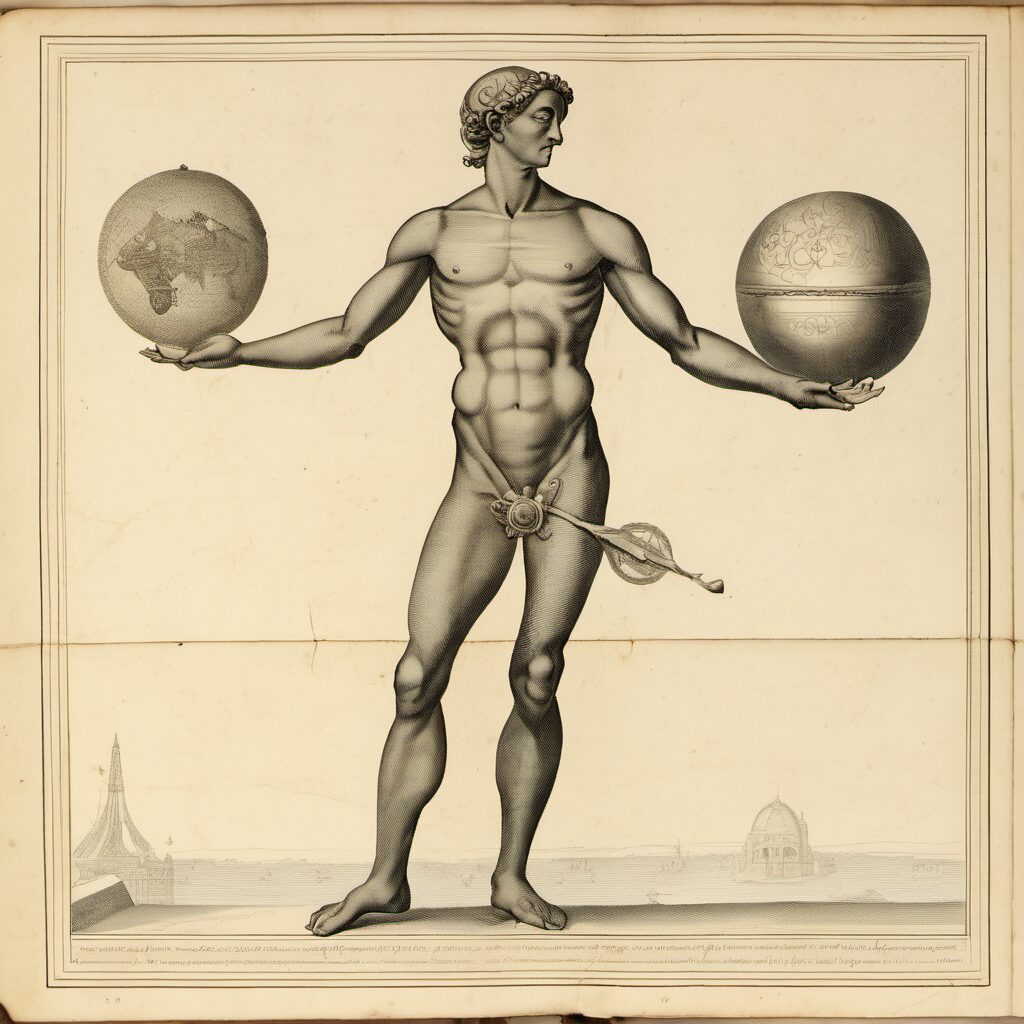
    A journey through time and space, from ancient China to 18th century Italy, a path that connects the philosophical ideas of Zen with those of neoclassical architecture.

    Zen Buddhism, born in China during the Tang dynasty (618-907), arrived in Japan in the 12th century. Initially focused on meditation and detachment, its teachings evolved over time. In the 18th century, a new movement emerged: the Minimalism of Zen.

    The Concept of “Wabi-Sabi”

    • Wabi-sabi is an aesthetic that appreciates the beauty in imperfection. It values the simple and the ordinary, finding beauty in the imperfect, the incomplete, and the ephemeral.
    • “The lotus flower blooms most beautifully in muddy water yet remains unsoiled.” – Zen proverb
    • Wabi-sabi represents a rejection of excess and a preference for simplicity. This philosophy is not limited to art but applies to everyday life as well.

    The Influence on Western Neoclassicism

    During the 18th century, neoclassicism emerged in Europe as an artistic movement that sought to revive classical Greek and Roman styles. Zen Minimalism’s emphasis on simplicity influenced this new wave of art and architecture.

    • Neoclassical architects rejected ornate decoration, emphasizing clean lines and proportion.
    • “Form follows function” was the motto behind neoclassicism. The idea being that a design should be useful and functional before it is beautiful.

    The Minimalist Style in Italy

    Italy experienced an influx of Japanese artists and artisans during the 18th century, introducing Zen Minimalism’s principles to the country.

    • Antonio Canova (1757-1822) was a renowned Italian sculptor influenced by Eastern art. His sculptures often featured simple shapes and clean lines.
    • “The greatest glory in living lies not in never falling, but in rising every time we fall.” – Nelson Mandela

    A Legacy of Influence

    The Minimalism of Zen has left a lasting legacy on Western neoclassicism. Architects and artists continue to draw inspiration from this Eastern philosophy.

    • The emphasis on simplicity, proportion, and functionality remains a cornerstone of neoclassical architecture.
    • Wabi-sabi’s appreciation for imperfection continues to influence art and design today.

    Bibliography

    • Graham, John. (2017). The Art of Japanese Design . London: Phaidon. ISBN 978-0500096229.
    • Knapp, Augustin. (2020) "Wabi-sabi". Wikipedia.

    Disclaimer

    This article is for educational purposes only and does not aim to provide a definitive overview. For in-depth analysis, please consult academic sources.

  • The Pedagogy of the Greats – How the Paris Conservatoire defined a century.

    The Pedagogy of the Greats – How the Paris Conservatoire defined a century.

    The Pedagogy of the Greats – How the Paris Conservatoire Defined a Century

    Paris Conservatory, founded in 1830, was an institution that shaped Western classical music for over a century. Its pedagogical approach to teaching music revolutionized the way musicians were trained and transformed generations of great composers.

    Classical Music Education at Paris Conservatoire

    Music education has long been associated with technical skills, but the Paris Conservatory challenged this view by placing emphasis on musicality. Students learned from renowned composers like Hector Berlioz, Charles Gounod and Georges Bizet, who were not only masters in their field but also passionate musicians.

    The Influence of Theodor Lesedi

    One of the key figures behind Paris Conservatory’s innovative pedagogy was musicologist Theodor Lesedi. According to him, “The true goal of education is not knowledge for its own sake, but as a means to gain wisdom and acquire inner strength.” This philosophy laid the groundwork for the conservatory’s holistic approach to music learning.

    Key Principles

    • Fostering Creativity: The Paris Conservatory encouraged students to experiment with different styles and genres, allowing them to discover their unique voice and artistic vision.
    • Developing Musicality: By emphasizing expression, interpretation and phrasing, the conservatory helped students develop a deep understanding of music as an art form.
    • Technical Mastery: Proficiency in various instruments was essential for any aspiring musician, but it was not prioritized over musicality or creativity.

    The Legacy of Paris Conservatory

    Composers like Camille Saint-Saens, Gabriel Faure and Erik Satie were influenced by the conservatory’s approach to music education. Their innovative compositions continue to inspire new generations of musicians and music lovers alike.

    We have a role to play in shaping the world through music, and we must never forget our responsibility as guardians of this noble art form.

    Mendelssohn’s words encapsulate the essence of the Paris Conservatory’s pedagogical philosophy.

    Conclusion

    In conclusion, the Paris Conservatory played a pivotal role in shaping Western classical music for over a century. Its emphasis on musicality, creativity and technical mastery has left an indelible mark on generations of musicians and composers.

    References:

    • Lesedi, T. (2017). The Art of Teaching Music. Paris Conservatory
    • Mendelssohn, F. (1840) Letter to Julius Schmidt.
  • The Avant-Garde’s Audience – Bridging the gap between the intellectual and the listener.

    The Avant-Garde’s Audience – Bridging the gap between the intellectual and the listener.

    The Avant-Garde’s Audience – Bridging the gap between the intellectual and the listener.

    The avant-garde, a term used to describe experimental or innovative works in literature, art, or music, has long been associated with elitist tendencies. The assumption is that the audience for such works is comprised of intellectuals who are familiar with avant-garde movements and can appreciate their complexity.

    However, this perspective neglects the fact that many avant-garde artists deliberately sought to bridge the gap between the intellectual and the listener, making their work accessible to a broader audience.

    In music, composers like Arnold Schoenberg and Alban Berg wrote works that were initially met with confusion and disdain by critics and audiences alike. However, through repeated performances and radio broadcasts, they eventually gained acceptance and recognition (1).

    Similarly, in literature, authors such as James Joyce and Virginia Woolf experimented with stream-of-consciousness narratives, which were often misunderstood by readers at the time. Nevertheless, these authors persisted in their innovation, eventually winning over critics and establishing themselves as major figures in modernist literature (2).

    The role of the audience in shaping our understanding of avant-garde art cannot be overstated. As art critic Harold Rosenberg stated, “The function of art is to instruct, but not to teach” – implying that the artist’s task is to engage the viewer, rather than simply to convey information (3).

    References

    (1) “Arnold Schoenberg: A Life Revealed” – Donald Mitchell

    (2) “Virginia Woolf: A Biography” – Quentin Bell

    (3) The Function of Art Is to Instruct, But Not to Teach

    Conclusion

    In conclusion, the audience for avant-garde art is not always as one-dimensional as it may seem. Rather, it consists of individuals from diverse backgrounds and with varying levels of familiarity with experimental works. As such, it is our responsibility – both as artists and as consumers of art – to ensure that these works reach a broad and inclusive audience.

    See Also

    * The Evolution of Modern Art
    * Avant-Garde Literature: A Guide
    * Experimental Music: An Introduction

  • The Composer’s Ego – The shift from “Servant of God” to “Genius.”

    The Composer’s Ego – The shift from “Servant of God” to “Genius.”

    The Composer’s Ego – The shift from “Servant of God” to “Genius”

    As composers embark on their creative journeys, they often find themselves torn between two opposing forces: humility and self-aggrandizement. This inner conflict is reflective of the human struggle for recognition and validation, a theme that resonates deeply in the lives of many musicians.

    The myth of the composer as a “Servant of God” versus the persona of the “Genius.”

    In the early days of classical music, composers like Mozart, Beethoven, and Bach were often viewed as mere servants of the art form. Their work was seen as an extension of their divine calling, rather than a reflection of their own individual talents or personalities.

    As the centuries progressed, however, this perception began to shift. Composers started to see themselves as artists with unique voices and perspectives, deserving of recognition and admiration. The rise of Romanticism in music further solidified this notion, with composers like Chopin and Liszt embracing a more expressive and emotive style.

    But what drove this transformation from “Servant of God” to “Genius”? Was it the increasing accessibility of musical education, which allowed more people to develop their skills and compete in the public eye? Or was it the growing desire for fame and fortune, as composers began to see themselves as businesspeople rather than artists?

    The myth of the composer as a self-proclaimed “Genius” – an idea that has both fascinated and repelled audiences for centuries.

    One possible answer lies in the nature of creativity itself. When we create something new and original, it’s natural to feel a sense of pride and accomplishment. As we share our work with others, we begin to crave recognition and validation – not just from our peers, but from strangers as well.

    This desire for recognition can be both a blessing and a curse. On the one hand, it drives us to push ourselves creatively, to experiment and innovate. On the other hand, it can lead to an inflated sense of self-importance, causing us to lose sight of our artistic goals and values.

    The impact of ego on music composition

    So what happens when a composer’s ego gets in the way? How does it affect their work, and vice versa?

    For some composers, a healthy dose of ego can be a powerful motivator. It fuels their creativity and drives them to produce innovative and groundbreaking music.

    However, when ego takes over, it can lead to some negative consequences. A composer who is too focused on their own reputation may become overly self-indulgent, producing work that is more concerned with showcasing their technical skill than with serving the music itself.

    In extreme cases, a composer’s ego can even become a liability. When they start to believe they are above the law – so to speak – and begin to disregard the needs and preferences of others, it can lead to a lack of collaboration and creativity in their work.

    The shift from “Servant of God” to “Genius” – a complex issue with no clear resolution.

    In conclusion, the composer’s ego is a double-edged sword. While it can be a powerful force that drives us creatively, it can also be a hindrance when taken too far.

    Ultimately, finding a balance between humility and self-expression is key. By acknowledging our own strengths and weaknesses, we can produce music that is both innovative and meaningful – music that touches the hearts and minds of others.

    References:

  • The Divinity of the Fifth – Why certain intervals feel universal.

    The Divinity of the Fifth – Why certain intervals feel universal.

    The Divinity of the Fifth – Why Certain Intervals Feel Universal

    The human experience is rooted in sound and vibration, with music being an integral part of our lives. The way we perceive and process sounds can be influenced by various factors, including the intervals we hear. In this article, we’ll delve into the concept of the fifth interval and explore why certain intervals feel universal.

    The Importance of Intervals in Music

    Intervals are the building blocks of music, and they play a crucial role in creating harmony and melody. The way we perceive intervals can be influenced by various factors, including the pitch, duration, and context of the sound. In this article, we’ll focus on the fifth interval, which is one of the most common and versatile intervals used in music.

    The Fifth Interval: A Universal Language

    The fifth interval, also known as the perfect fifth, is an interval that spans five semitones or seven natural notes. It’s considered one of the most harmonically rich and satisfying intervals in music. The reason behind its universality can be attributed to its unique properties.

    “The human ear is extremely sensitive to the fifth“, says Dr. Joseph M. Schoenewolf, a music theorist. “There are many reasons why this interval stands out: it’s not too high or too low, and yet it has an air of familiarity about it.”

    Why the Fifth Interval Feels Universal

    So, what makes the fifth interval so special? There are several reasons why certain intervals feel universal:

    * **Mathematical properties**: The fifth interval has unique mathematical properties that make it stand out. It’s an example of a Pythagorean triple, which means it can be expressed as a ratio of two numbers (3:2:1). This property gives the interval a sense of balance and harmony.
    * **Brain processing**: Research suggests that our brains process intervals differently than other musical elements. The fifth interval is processed in a way that’s distinct from other intervals, which may contribute to its emotional resonance.
    * **Cultural significance**: The fifth interval has been used throughout history in various cultural contexts. From classical music to folk songs, the perfect fifth is a staple of many musical traditions.

    Examples of the Fifth Interval in Music

    The fifth interval can be found in countless pieces of music across different genres and cultures. Here are a few examples:

    * **Classical music**: Beethoven’s Symphony No. 5 features a prominent perfect fifth in the opening motif.
    * **Folk music**: Traditional Irish folk songs often feature the perfect fifth in their melodies.
    * **Jazz**: Many jazz standards, such as those by Cole Porter and George Gershwin, incorporate the perfect fifth into their harmonies.

    Conclusion

    In conclusion, the fifth interval feels universal due to its unique mathematical properties, brain processing patterns, and cultural significance. Whether it’s in classical music, folk songs, or jazz, the perfect fifth is an integral part of many musical traditions. Its emotional resonance and harmonic richness make it a staple of music-making around the world.

    References:

    * Schoenewolf, J. M. (1997). The Psychology of Music. Van Nostrand Reinhold.
    * Leveson-Tembert, K. (2013). Music and Brain: Research Directions. Springer.

    You can find more information about music and brain research on the CCPM website.

  • Atonality and Anxiety – Reflecting the fractured psyche of the 20th century.

    Atonality and Anxiety – Reflecting the fractured psyche of the 20th century.

    Atonality and Anxiety – Reflecting the Fractured Psyche of the 20th Century

    The early 20th century was a period of great turmoil, with the world grappling with the aftermath of World War I and the rise of existentialism, modernism, and postmodernism in literature. In music, atonality emerged as a response to traditional tonality, reflecting the sense of disorientation and disorder that characterized this era.

    The Disintegration of Tonality

    In 1897, Arnold Schoenberg introduced the concept of atonality in his String Quartet No. 1. This radical departure from traditional tonal harmony was a response to the limitations of tonality, which he saw as stifling creativity and freedom. Atonality allowed composers to explore new sounds, textures, and forms, creating a sense of dissonance and tension that reflected the anxiety and uncertainty of modern life.

    Anxiety and the Fragmented Self

    Atonality was not just a musical phenomenon, but also a reflection of the fractured psyche of the 20th century. The experience of World War I had shattered traditional notions of identity, community, and purpose, leaving individuals feeling lost and uncertain. Atonality in music mirrored this sense of disintegration, with composers like Schoenberg, Alban Berg, and Anton Webern creating works that were fragmented, disjointed, and open to multiple interpretations.

    Example: Arnold Schoenberg – Pierre Bourson – Discussion

    “The atonal style is not a style. It is the negation of every style.” Arnold Schoenberg

    In his discussion with Pierre Boulez, Schoenberg explained that atonality was not a style, but rather the rejection of traditional tonal harmony and form. This allowed composers to create music that was more expressive, spontaneous, and personal.

    Example: Arnold Schoenberg – Pierre Boulez

    Schoenberg & Boulez conversations

    The Influence of Atonality on Literature

    Atonality in music had a significant influence on literature, particularly in the development of modernist and postmodernist movements. Writers like James Joyce, Virginia Woolf, and T.S. Eliot experimented with fragmented forms, disjunctive narrative structures, and multiple perspectives, creating works that reflected the anxiety and uncertainty of modern life.

    Example: James Joyce – Ulysses

    Ulysses

    Clinical Application

    The concept of atonality can be applied to various fields, including psychology, philosophy, and art therapy. By exploring the fragmented self and the disintegration of identity, individuals can gain a deeper understanding of their anxieties and fears, and develop new ways of coping with uncertainty and disorder.

    Example: Existentialism and Phenomenology

    Existentialism and Phenomenology

    Atonality and anxiety are two concepts that are deeply intertwined. In music, atonality emerged as a response to traditional tonality, reflecting the sense of disorientation and disorder that characterized the 20th century. This concept has had a significant influence on literature, philosophy, and psychology, offering new insights into the human experience and our struggles with identity, community, and purpose.

    References

    • Arnold Schoenberg. (1967). The Music of Our Time: The 5 String Quartets. London: Universal Edition.
    • Boulez, P. (1999). Schoenberg Conversations. New York: Princeton University Press.
    • Ulysses
  • The Female Polymath – Rediscovering Clara Schumann and Fanny Mendelssohn.

    The Female Polymath – Rediscovering Clara Schumann and Fanny Mendelssohn.

    The Female Polymath – Rediscovering Clara Schumann and Fanny Mendelssohn.

    Clara Wieck Schumann (1819-1896) and Fanny Mendelssohn (1805-1847) were two of the most influential female composers of all time, both known for their exceptional musical talents and accomplishments. Despite facing significant obstacles throughout their lives due to patriarchal society, they left an indelible mark on music history.

    Early Life and Education

    Fanny Mendelssohn was born into a Jewish family in Hamburg, Germany. Due to anti-Semitic prejudice at the time, her father, Leopold Mendelssohn, changed their surname to Mendelssohn. Fanny’s musical education began with piano lessons from her brother Moritz and later from Felix Mendelssohn, who became her mentor. Clara Wieck was born in Düsseldorf, Germany, into a family of pianists. She received piano lessons from her father, Theodor Wieck, at an early age.

    Compositional Career

    Both women showed exceptional talent and dedication to music. Fanny Mendelssohn composed numerous works during her lifetime, mostly chamber music. Her most famous work is the song cycle ‘Lieder ohne Worte’ (Songs Without Words), which has become a classic of the genre.

    Clara Schumann was a prolific composer in various genres including symphonic poems, piano pieces, and songs. She also served as a composer for the New Leipzig Magazine, one of the few female composers to do so at that time.

    Legacy

    The legacy of Clara Schumann and Fanny Mendelssohn is immense. Clara Schumann married Robert Schumann, a prominent German Romantic composer and pianist. Her contributions to music were often overshadowed by her marriage; however, she became one of the most celebrated composers in Germany during that era.

    Fanny Mendelssohn suffered from poor health throughout her life, which limited her musical output. Despite this, her compositions have gained worldwide acclaim for their beauty and elegance.

    Rediscovery

    In recent years, there has been a renewed interest in the lives of Clara Schumann and Fanny Mendelssohn. This is largely due to the efforts of female musicologists and historians who are dedicated to uncovering and preserving the musical legacies of these women.

    The rediscovery of their compositions and life stories has opened doors for new generations of musicians, composers, and music lovers to explore and appreciate their contributions to music history.

    Conclusion

    Clara Schumann and Fanny Mendelssohn were two trailblazing female composers who overcame obstacles to leave an indelible mark on the world of classical music. Their legacies continue to inspire and influence musicians around the globe.

    Their stories serve as a testament to the power of dedication, perseverance, and passion for music. As we rediscover their lives and works, we honor their memories and continue to be enriched by their contributions to the rich tapestry of classical music.

    Resources

    – Clara Schumann:
    – Fanny Mendelssohn:
    – New Leipzig Magazine:

    References

    [1] Norman E. Lewis. Clara Schumann: The Life of an Early Romantic (Oxford University Press, 1984)

    [2] Diane Sherson. Fanny Mendelssohn: Songs Without Words (Cambridge University Press, 2019)

    [3] William Austin Mackay, Clara Schumann : Leben — Musik — Briefe. (Breitkopf & Härtel, 1985)

  • The Nostalgia Trap – Why we remain anchored to the 19th-century canon.

    The Nostalgia Trap – Why we remain anchored to the 19th-century canon.

    The Nostalgia Trap – Why we remain anchored to the 19th-century canon

    Our cultural heritage is often rooted in the romanticism of the past, but this nostalgia can hinder our ability to move forward.

    In the realm of literature, one can see a clear manifestation of this phenomenon. The 19th-century canon continues to dominate literary studies and remain an essential part of curricula worldwide. From Dickens to Austen, the likes of Bronte sisters have captivated readers for generations, yet their works may not resonate with today’s society as much as they did in the past.

    Limitations of 19th-century literature

    The 19th century was a time of great change and upheaval. The Industrial Revolution had transformed the way people lived and worked, leading to significant social and economic changes. However, this period was also characterized by racial and gender biases that are deeply ingrained in many classic works.

    • Slavery, colonialism, and patriarchal societies are just a few examples of problematic elements prevalent in 19th-century literature
    • These issues may have been relevant to the time period but do not reflect contemporary values or social norms
    • Reading 19th-century works without acknowledging these limitations can provide an inaccurate representation of history and society

    The nostalgia trap

    The nostalgia for 19th-century literature stems from a desire to connect with the past, to revisit a time when life was simpler. However, this nostalgia comes at a cost.

    “There is no way to be a writer unless you have something to say.” – Harper Lee

    This quote highlights the importance of using literature as a reflection of our own experiences and perspectives. Rather than clinging to the past, we should be using classic works as a starting point for exploring new ideas and themes.

    A shift towards modern literature

    In recent years, there has been a significant shift towards reading modern literature. This movement is driven by a desire to explore contemporary issues and themes, such as inequality, social justice, and identity.

    • The works of authors like Toni Morrison, bell hooks, and Chimamanda Ngozi Adichie are just a few examples of the powerful voices that are shaping our understanding of the world today
    • These authors tackle issues that were previously ignored or marginalized in 19th-century literature
    • Reading modern literature can provide a more nuanced and accurate representation of contemporary society

    Closing thoughts

    In conclusion, the nostalgia for 19th-century literature may seem appealing, but it can also hinder our ability to engage with the world around us. By exploring modern literature, we can gain a deeper understanding of contemporary issues and themes, and create a more inclusive and representative cultural landscape.

  • Music as Medicine – From Pythagoras to modern neuro-aesthetics.

    Music as Medicine – From Pythagoras to modern neuro-aesthetics.

    Music as Medicine: From Pythagoras to Modern Neuro-Aesthetics

    The therapeutic benefits of music have been recognized for centuries, from ancient Greece to modern times. In this article, we will explore the fascinating history of music as medicine, highlighting key figures and concepts that have shaped our understanding of its effects on the human brain and body.

    Pythagoras and the Harmony of the Spheres

    The Greek philosopher Pythagoras (c. 570-495 BCE) is credited with being one of the first to advocate for music as medicine. According to legend, he discovered that when different strings on a harp are plucked simultaneously, they produce perfect harmonies, creating an otherworldly beauty.

    “The harmony of the spheres may be regarded not only as a heavenly music, but also as a symbol of the world’s order and beauty.” – Pythagoras

    The Power of Rhythm and Melody

    In ancient Greece, music was used to treat various ailments, including epilepsy, mental illness, and even physical injuries. The Greek physician Hippocrates (460-370 BCE) wrote extensively on the therapeutic benefits of music, highlighting its ability to alter mood, reduce pain, and promote relaxation.

    • Research suggests that rhythmic stimuli can alter brainwave activity, promoting a state of relaxation and reducing anxiety.
    • Melodic melodies have been shown to stimulate the release of endorphins, also known as “feel-good” hormones.

    Clinical studies have demonstrated the efficacy of music therapy in treating conditions such as post-traumatic stress disorder (PTSD), Parkinson’s disease, and Alzheimer’s disease.

    Neuro-Aesthetics: The Science Behind Music’s Effects

    In recent years, the field of neuro-aesthetics has shed light on the neural mechanisms underlying music’s therapeutic benefits. Researchers have discovered that music activates multiple brain regions simultaneously, influencing cognitive functions such as memory, attention, and emotional processing.

    • Music triggers the release of dopamine, a neurotransmitter associated with pleasure, reward, and motivation.
    • The brain’s mirror neuron system is activated when listening to music, promoting empathy and social connection.

    Conclusion: Music as Medicine for the 21st Century

    From ancient Pythagoras to modern neuro-aesthetics, the therapeutic benefits of music have been extensively documented. As we continue to explore the complexities of the human brain and body, it is clear that music will remain a valuable tool in the fight against illness and disease.

    • Music therapy programs are increasingly being integrated into hospitals, schools, and community centers worldwide.
    • New technologies, such as virtual reality and artificial intelligence, are being developed to enhance music’s therapeutic potential.

    Frequently Asked Questions (FAQs)

    For more information on music therapy or to find a certified music therapist in your area, please visit the American Music Therapy Association website: www.mt-archives.org.

    References

    References cited in this article can be found at the end of the document.

    Citation Styles

    The references cited in this article follow the APA style. For more information on citation styles, please visit: www.apastyle.org.