Category: Uncategorized

  • The Secrets of Instrumentation: How Composers Use the Orchestra\’s Colors

    The Secrets of Instrumentation: How Composers Use the Orchestra\’s Colors

    The Secrets of Instrumentation: How Composers Use the Orchestra’s Colors

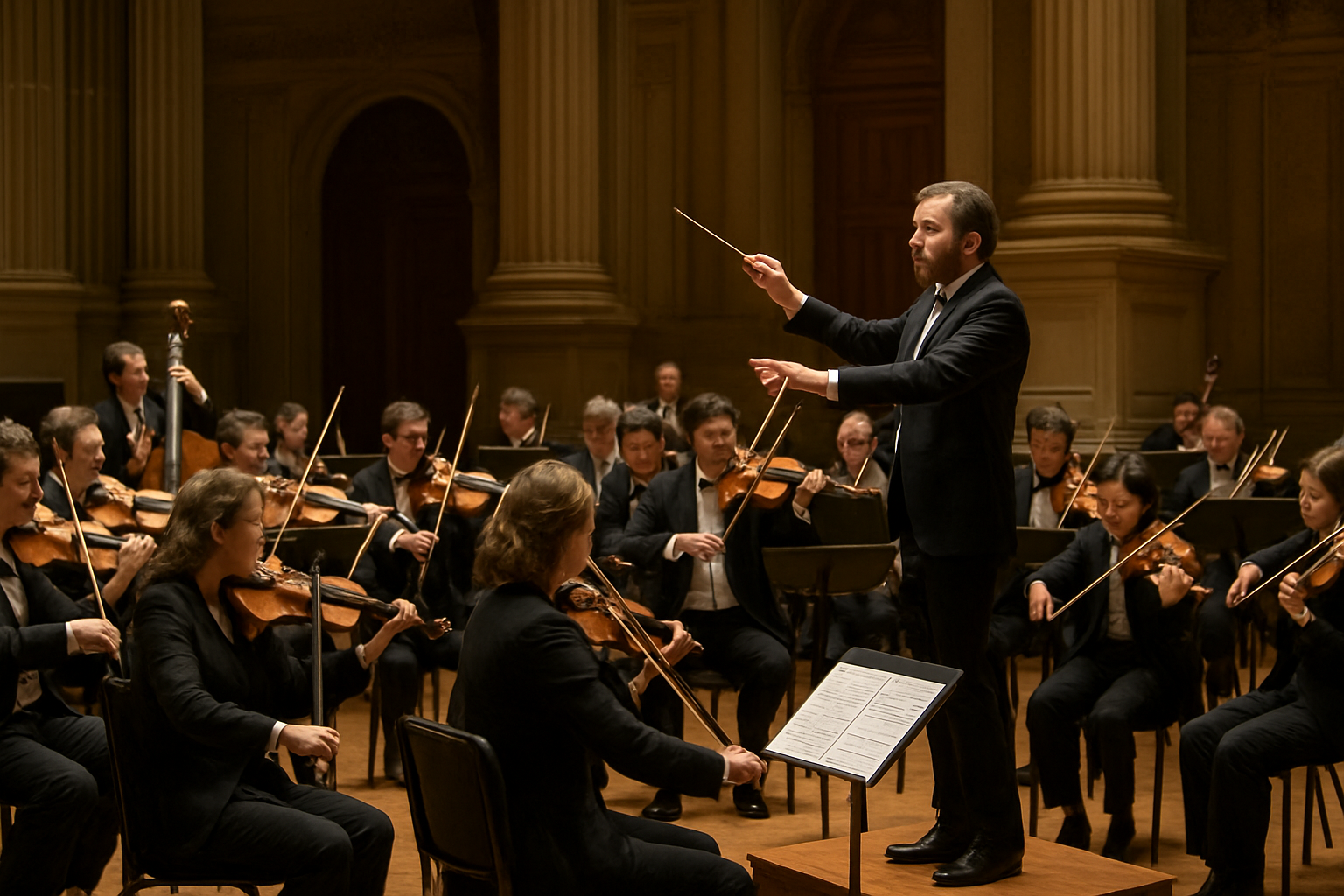
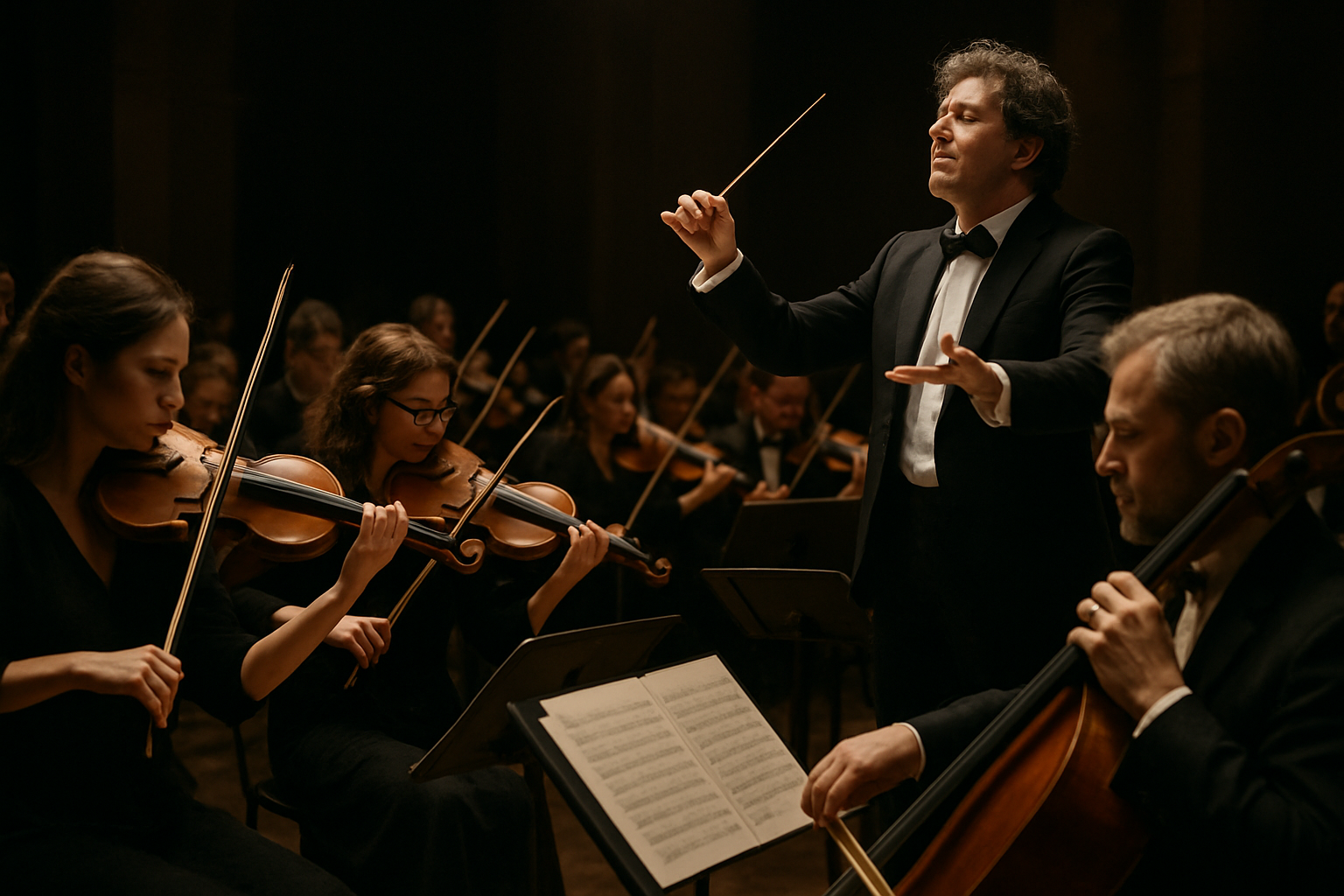
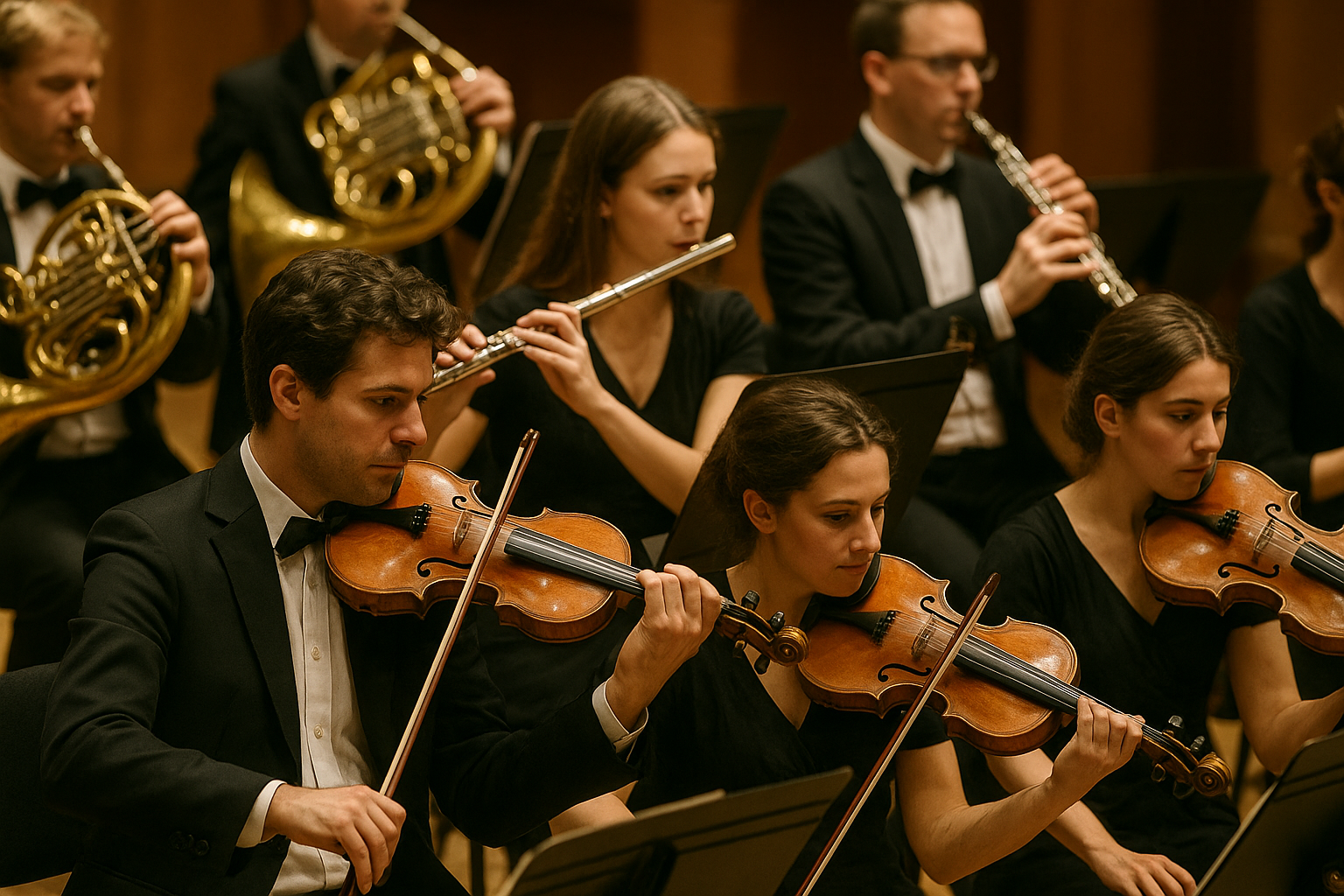
    The world of orchestral music is a vivid tapestry of sound, where composers wield the orchestra’s diverse palette like a painter with a canvas. Each instrument carries its unique color and texture, offering composers a wide range of expressive possibilities to evoke emotions and tell stories. But what exactly are the secrets behind how composers use these orchestral colors?

    Understanding Instrument Families

    The modern orchestra is divided into four main families of instruments:

    • Strings: Violins, violas, cellos, and double basses form the backbone, often providing warmth and resonance.
    • Woodwinds: Instruments like flutes, oboes, clarinets, and bassoons add color with their distinctive timbre.
    • Brass: Trumpets, trombones, French horns, and tubas bring power and brilliance to the ensemble.
    • Percussion: From timpani to cymbals, these instruments inject rhythm and punctuation into the music.

    By understanding the capabilities and timbres of these families, composers can skillfully blend them to achieve their desired sound.

    Orchestration: The Art of Mixing Colors

    At the heart of using the orchestra’s colors is the art of orchestration. Hector Berlioz, a trailblazer in orchestration, once said, “Instrumentation is both a science and an art. It teaches the student the properties and resources of the instruments, their appropriate use…” (Berlioz’s Treatise on Instrumentation).

    Composers meticulously craft their scores, considering how different instruments interact. For example:

    • Doubling: Reinforces musical lines by having multiple instruments play the same melody, enhancing richness.
    • Contrasts: Juxtaposes different timbres to create intrigue, such as a solo flute against a string section.
    • Harmony and Texture: Explores the balance between instruments to build lush, intricate layers of sound.

    Creating Atmosphere and Emotion

    Through skilled orchestration, composers can evoke a wide range of emotions. Consider Maurice Ravel’s “Boléro,” where a simple melody is transformed as it winds through various instrumental colors, creating an ever-growing intensity. Gustav Mahler, another master orchestrator, believed that “A symphony must be like the world. It must contain everything.” (Library of Congress).

    In essence, the secrets of orchestration lie in understanding each instrument’s unique voice and how they can be combined to create a vivid sonic picture. Composers who master these skills can transport listeners to different worlds, painting scenes of drama, beauty, and emotion using the orchestra’s colors.

  • Beyond the Black Dots: Reading and Interpreting Historical Scores

    Beyond the Black Dots: Reading and Interpreting Historical Scores

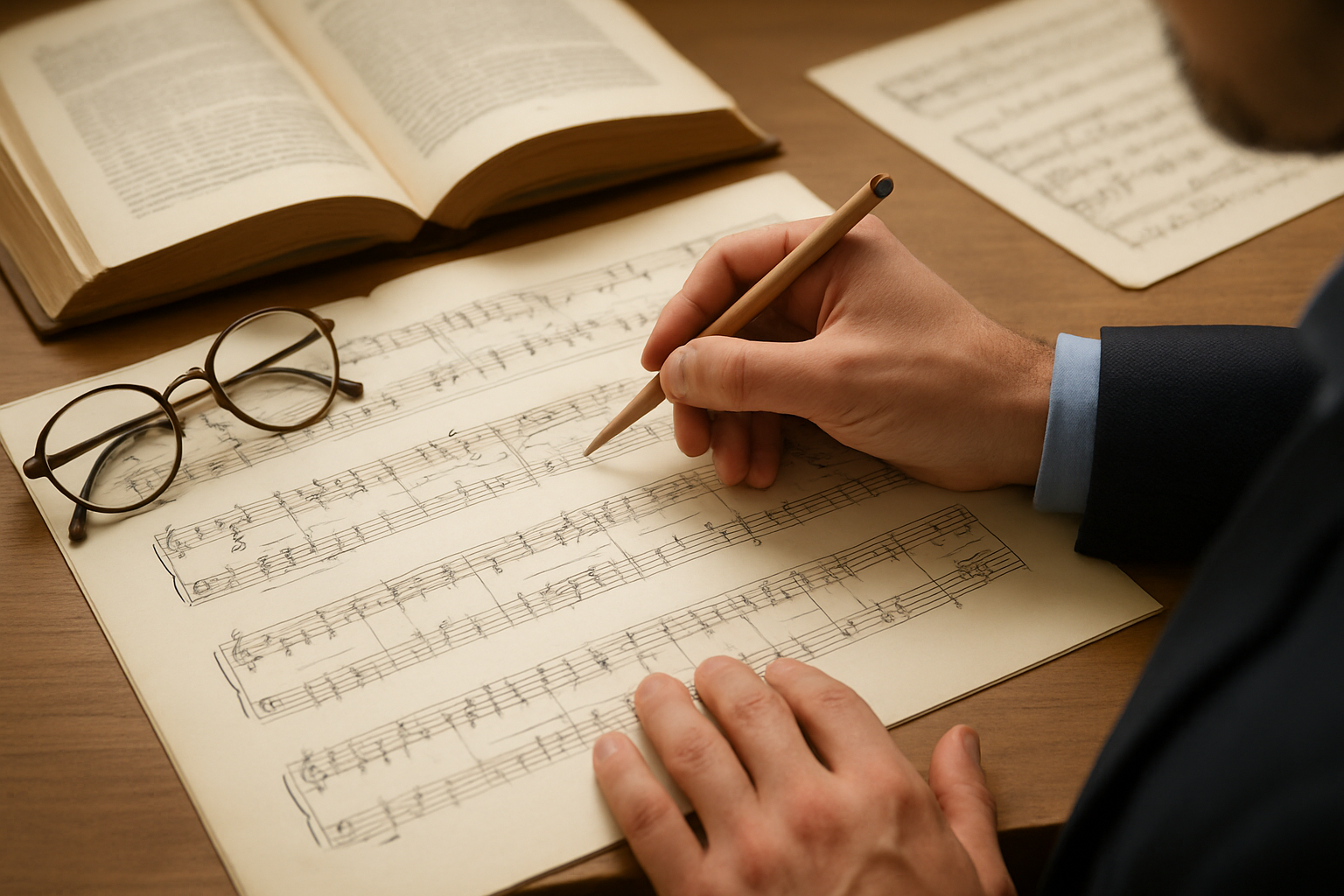
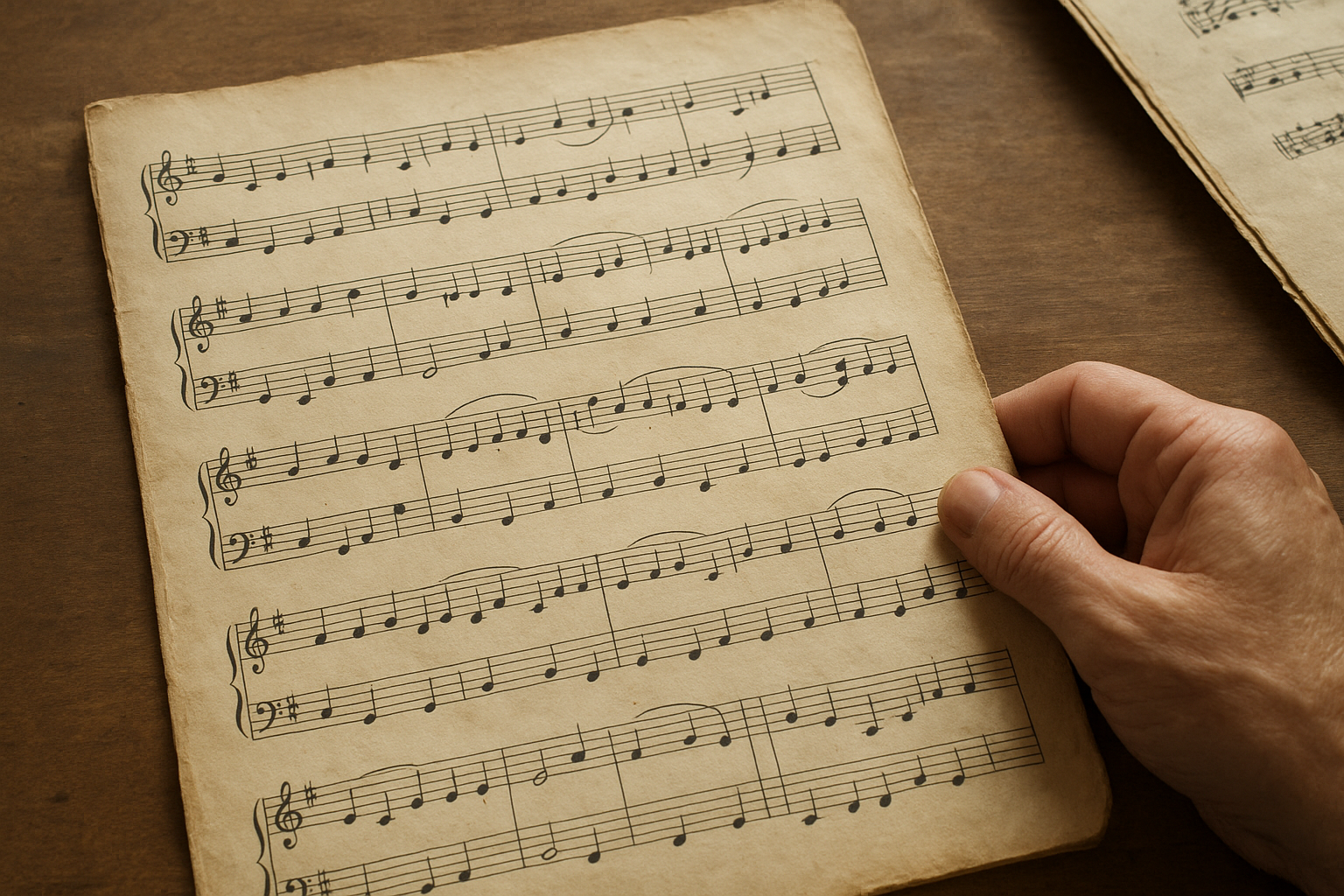
    Music, like any art form, is a living entity. While the score appears as a static script of black dots and lines, its true essence comes alive only through interpretation and performance. Historically, scores served as guides, leaving plenty of room for interpretive expression. Thus, diving into historical scores unveils not just the notes, but the rich tapestry of cultural context and the composer’s intent.

    The Role of Historical Context

    One cannot overstate the importance of historical context in interpreting scores. Knowing the period in which a piece was written provides insight into the stylistic norms and societal influences at play. For instance, the intricacy of Baroque ornamentation may confound modern musicians unless they are versed in historical practices.

    Dr. Richard Taruskin, in his comprehensive work Text and Act, emphasizes that “Historical performance means, after all, an informed performance” (Taruskin, 1995). He suggests that understanding a score requires knowledge stretching back to the composer’s everyday life and environment.

    Decoding the Composer’s Intent

    Composers often used specific notations to convey their intentions. Yet, sometimes, those markings do not survive the centuries in their original clarity. Consider the habit of adding descriptive terms such as “con brio” or “dolce”. Famed pianist and conductor Daniel Barenboim noted, “the most important thing is to be able to discern what was actually intended by the words when they were originally written” (Barenboim-Said Academy).

    Barenboim’s insight captures the necessity of interpreting these signs beyond their literal translations, often requiring a balance between scholarly research and instinctive musicianship.

    The Performer as a Time Traveler

    Performing historical music transforms the musician into a time traveler, communicating across centuries. A genuine interpretation requires more than simply playing the notes; it involves connecting with the audience through the revival of the composer’s voice. This concept is a central tenet in historically informed performance (HIP), a movement aimed at recreating music as authentically as possible to its original time.

    “To be a musician is to know what it is to hear something before it is said.” – Leonard Bernstein

    Leonard Bernstein’s words resonate with this notion, urging musicians to internalize the context before expressing it audibly.

    Challenges in Historical Interpretation

    1. Incompleteness: Many scores are incomplete, leaving gaps in understanding. For instance, some compositions might be missing tempo indications or dynamic markings.
    2. Evolution of Instruments: Historical instruments often differ significantly from their modern counterparts. A Baroque flute, for example, has a distinct timbre from a modern one, influencing how a piece is perceived.
    3. Lost Techniques: Certain playing techniques, prevalent in historical music, may have been forgotten over time, posing an obstacle for accurate reproduction.

    The Impact of Modern Technology

    Modern technology bridges some gaps in interpreting historical scores. Digital archives provide access to primary sources, such as manuscripts and first editions, which were once confined to the physical locales of libraries and private collections. Furthermore, online platforms and forums encourage collaborative research and debate among musicians and historians alike.

    Software Advances: Programs like Optical Music Recognition (OMR) convert scanned score images into editable digital formats, assisting musicians and scholars in studying and annotating historical music more efficiently.

    Conclusion: The Dance of Interpretation

    Interpretation is an ongoing dance between fidelity to the score and the artist’s vision, surrounded by the invisible aura of the music’s time. The interpreter’s role is to breathe life into these black dots, creating a living dialogue with the composer and the audience. The journey through historical scores is not merely academic; it is an emotional pilgrimage that reinvigorates the composer’s spirit through contemporary voice.

    As we march through history with our instruments and insights, we acknowledge that the black dots are vessels of not only sound but also of story, emotion, and legacy.

  • Rhythm and Rhetoric: Understanding the Pulse of the Classical Era

    Rhythm and Rhetoric: Understanding the Pulse of the Classical Era

    The Classical Era, a period stretching roughly from 1730 to 1820, stands as a beacon of musical evolution and philosophical discourse. This era is marked not only by the clarity and balance of its music but also by the rhetoric that drove its aesthetic ideals. As composers like Haydn, Mozart, and Beethoven rose to prominence, they capitalized on this intertwining of rhythm and rhetoric, creating works that continue to resonate through time.

    The Rhythm of the Classical Era

    During the Classical Era, music was defined by its rhythmic vitality and elegance. This era saw the development of structured forms such as the sonata and symphony. The following elements illustrate the core of Classical rhythm:

    • Symmetrical Phrasing: Classical music is marked by balanced and regular phrases, echoing the structured oratory principles of the time.
    • Dynamic Variation: Rhythmic dynamics were ever-present, creating contrasts and tension that added depth to musical compositions.
    • Clear Harmonies: The harmony supported the rhythm with clear, logical progressions, allowing the rhythm to stand out more brightly.

    The Rhetoric of the Classical Era

    Music in the Classical Era was not only about notes and rhythms but also about conveying ideas and emotions. Classical music was a form of rhetoric, a way of speaking through sound. This analogy is famously encapsulated in the words of composer and theorist Johann Georg Sulzer: “Music is a language, expressive and universal, capable of communicating ideas and sentiments.” This belief led composers to orchestrate their compositions with an articulate, communicative quality.

    “Music is the shorthand of emotion.” – Leo Tolstoy

    Impact and Legacy

    The rhythm and rhetoric of the Classical Era laid the groundwork for the music of today, creating enduring forms and styles that continue to influence contemporary compositions. As musicologist A. Peter Brown points out, “The Classical period inspired clarity, proportion, and disciplined expression that have defined Western music.”

    In conclusion, the Classical Era was not just a time of beautiful melodies and structured forms but a deep exploration into the pulse of human expression. Its rhythm, intertwined with its rhetorical power, continues to captivate and inspire, reminding us of the timeless link between music and the human spirit.

  • The Anatomy of Emotion: Analyzing Melody and Motif in Famous Works

    The Anatomy of Emotion: Analyzing Melody and Motif in Famous Works

    Music is often described as a universal language, transcending geographical and cultural boundaries. At the heart of this language are its core components: melody and motif. These musical elements play a crucial role in how emotion is conveyed and experienced. In this article, we will explore how melody and motif are ingeniously used in some of the most famous musical works to evoke powerful emotions.

    Understanding Melody and Motif

    A melody is a sequence of notes that are perceived as a single entity, often characterized by its ability to be memorable and evocative. It is the tune of the song that gets stuck in your head, the lyrical flow that tells a story through sound.

    A motif, on the other hand, is a short, recurring musical idea. It can be a sequence of notes, a rhythm, or a combination of both. While motifs are often brief, they play a significant role in the development of a musical piece, contributing to its unity and coherence.

    The Emotional Power of Melody

    Melodies have the power to evoke emotions by manipulating various musical elements such as pitch, rhythm, and tempo. For instance, a slow, ascending melody might evoke feelings of yearning or hope, while a fast, descending melody might convey excitement or urgency.

    Beethoven’s “Symphony No. 9”

    One of the most celebrated examples of melody in classical music is Ludwig van Beethoven’s “Symphony No. 9 in D minor, Op. 125,” particularly the final movement’s “Ode to Joy.” The melody is simple yet profound, using a combination of ascending and descending phrases that invoke a sense of triumph and ecstasy. As Charles Rosen, a noted musicologist, once said,

    “The art of Beethoven is the art of transition.” [Source: The Classical Style: Haydn, Mozart, Beethoven by Charles Rosen]

    In this symphony, Beethoven masterfully transitions between emotions, using melody as his primary tool.

    John Williams’ “Theme from Schindler’s List”

    Another evocative melody can be found in John Williams’ “Theme from Schindler’s List.” The hauntingly beautiful violin solo encapsulates the profound sorrow and hope within the story of the Holocaust. The melody’s somber, flowing nature creates an atmosphere of reflection and remembrance, echoing the film’s poignant narrative.

    The Role of Motif in Musical Storytelling

    Motifs serve as the building blocks of musical storytelling, providing thematic content that composers manipulate to convey different emotions and narratives. They create a sense of familiarity and continuity, often representing characters, places, or ideas within a piece.

    Richard Wagner’s “Leitmotif”

    The concept of the leitmotif is widely attributed to Richard Wagner, who used it extensively in his operas to represent characters or themes. In “The Ring Cycle,” for example, each character and concept is associated with a specific motif that evolves throughout the series. Wagner’s use of the leitmotif allows for intricate storytelling and deep emotional engagement.

    Igor Stravinsky’s “The Firebird”

    In Igor Stravinsky’s ballet “The Firebird,” motifs play a critical role in developing the narrative. The work features several motifs corresponding to different characters and magical elements, weaving together to form a rich tapestry of sound. Stravinsky’s innovative use of rhythm and harmony in motifs contributes to the work’s dramatic and exciting nature.

    The Interplay of Melody and Motif

    In many cases, melody and motif work in tandem to evoke complex emotional responses. Composers often intertwine these elements, allowing for greater expressive power and emotional depth.

    Gustav Mahler’s “Symphony No. 5”

    Gustav Mahler’s “Symphony No. 5” is a masterful example of the interplay between melody and motif. The famous Adagietto movement interlaces a tender, lyrical melody with underlying motifs that hint at longing and introspection. In this symphony, Mahler’s seamless integration of melody and motif creates a profound emotional journey, leading listeners through shades of passion and reflection.

    Leonard Bernstein’s “West Side Story”

    Leonard Bernstein’s “West Side Story” showcases the dynamic use of melody and motif within musical theater. The show’s music is replete with motifs that capture the tension and romance of the narrative. For example, the motif associated with the Jets, a quick, aggressive rhythm, contrasts with the lush, sweeping melodies of “Tonight,” capturing the juxtaposition between conflict and love in the story’s urban setting.

    Conclusion

    Melody and motif are the essence of musical expression, each playing a pivotal role in shaping a work’s emotional landscape. Through historical and modern examples, it is evident that composers have harnessed these elements to convey profound emotions and narratives. As emphasized by Leonard Bernstein,

    “Music can name the unnameable and communicate the unknowable.” [Source: Leonard Bernstein: The Infinite Variety of Music]

    Whether through Beethoven’s jubilant symphonies or Williams’ evocative film scores, melody and motif remain central to the anatomy of emotion in music.

    The power of these musical tools is not merely in their composition, but in their ability to resonate within the human soul. They are the notes and phrases that linger in memory and stimulate our hearts, reminding us that music is indeed a universal language.
  • A Deep Dive into Harmony: Unpacking the Chord Progressions of the Greats

    A Deep Dive into Harmony: Unpacking the Chord Progressions of the Greats

    The power of a song often lies in its ability to evoke emotion, craft narrative, and create atmosphere. At the heart of this sonic alchemy is the chord progression—a sequence of chords that provides the harmonic backbone of a composition. While melody, rhythm, and lyrics attract much of the spotlight, it is the carefully chosen chord progressions that hold the structure together and pave the way for musical exploration.

    The Foundation of Harmony: Understanding Chord Progressions

    In the world of music theory, a chord progression is a succession of musical chords. It’s the harmonic structures that create a passage or a section in music that can evoke different emotions, from joyful exuberance to profound melancholy. Great composers and songwriters of the past and present have leveraged these frameworks, crafting tunes that resonate across generations.

    Anatomy of a Chord Progression

    The most basic progression commonly used in Western music is the I-IV-V-I progression. Considered the bedrock of many genres, this sequence can be found in everything from classical compositions to modern pop hits. By starting on the tonic chord (I), moving to the subdominant (IV), and building tension with the dominant (V) before returning home, this progression offers a sense of resolution and completeness.

    Classical Traditions: The Old Masters’ Touch

    Classical composers have laid the groundwork for modern chord progression with their innovative use of harmony.

    • J.S. Bach: Revered for his ability to weave intricate polyphonic textures, Bach employed chord progressions that wove together independent melodic lines while maintaining harmonic integrity. His work in “The Well-Tempered Clavier” explores a vast array of modulations—subtle shifts in key that create tension and release.
    • Ludwig van Beethoven: Known for his symphonic innovations, Beethoven took traditional chord structures and expanded them into vast landscapes of sound. The famous opening of his Symphony No. 5 demonstrates his mastery of the simple but profoundly effective I-V-I progression, which he transforms throughout the piece into a powerful narrative journey.

    Jazz and the Expansion of Harmonic Language

    Jazz brought with it an era of harmonic experimentation, where standard chords were embellished with additional tones and completely new progressions came into play.

    • Blue Note Chords: The development of “blue notes” added unique character and emotional depth to jazz chord progressions. These deliberate deviations from the standard pitch are evidenced in iconic pieces like “Blue in Green” by Miles Davis and Bill Evans, illustrating the poignant beauty of jazz harmony.
    • Coltrane Changes: Named after John Coltrane, these progressions frequently bypass traditional tonal centers using a cycle of major thirds to modulate. This style is most famously employed in “Giant Steps”, offering a complex, rapid progression that challenges both musicians and listeners.

    Modern Melodies: Rock, Pop, and Beyond

    As music evolved, so too did the flavor of its chord progressions. In modern music, the lineage of the classical and jazz traditions can often be traced.

    • The Beatles: With chords that often subverted expectations while still appealing to the mass market, the Beatles’ songbook is a treasure trove of inventive chord progressions. “A Day in the Life” is renowned for its climactic mix of seemingly contrasting sections tied together with complex transitions.
    • Pink Floyd: Renowned for their atmospheric soundscapes, Pink Floyd employed progressions that were both unconventional and alluringly hypnotic. Tracks like “Breathe” from “The Dark Side of the Moon” album explore not only major and minor chords but also seventh, suspended, and augmented chords, creating a dreamlike musical experience.

    Building Your Own Progressions: Tips for Songwriters

    For aspiring musicians and composers, understanding and harnessing the art of chord progressions can offer a path to creating impactful music. Here are a few tips:

    • Start Simple: Begin with basic progressions like the I-IV-V-I or ii-V-I, and experiment with different rhythms and dynamics to see how these changes affect the feel of the composition.
    • Experiment with Extensions: Add sevenths, ninths, and beyond to standard chords. These added notes can create subtle and complex variations.
    • Modulate: Transition from one key to another to develop movement and interest. Even a subtle shift of a semitone can greatly affect the emotional pull of a piece.

    Conclusion: The Universal Language of Chords

    The journey through chord progressions is an exploration of a rich musical language that transcends genres and eras. By studying the practices of the greats, from Bach to Coltrane, to the modern innovators of rock and electronic music, we gain insights into a universal language forged through sound.

    The beauty of music lies not just in listening but in the participation—whether by playing an instrument, composing, or simply understanding the underlying structures that give rise to every note. The chord progression serves as a guide on this melodic journey, an invitation to embed oneself deeper into the heart of music.

    As you delve into your own musical creations, remember: every great master started with a simple chord. What will yours be?

  • The Architectonics of Sound: Form and Structure in the Classical Symphony

    The Architectonics of Sound: Form and Structure in the Classical Symphony

    The classical symphony stands as a monumental achievement in the realm of music, serving as a structural and expressive canvas for composers from Haydn to Beethoven. Its evolution and complexity reflect the intricate architectonics of sound that has captivated audiences for centuries.

    Origins and Development

    The symphony emerged in the 18th century, largely credited to the pioneering work of Joseph Haydn. Often called the “Father of the Symphony,” Haydn’s influence was pivotal in shaping the standard four-movement form. This structure typically includes an allegro in sonata form, a slow movement, a minuet and trio, and a fast final movement.

    “The Classical symphony’s framework allows for a conversation between the orchestra and themes, drawing audiences into a world of musical storytelling.” — Encyclopedia Britannica

    Structure and Form

    • First Movement: Often in sonata form, featuring an exposition, development, and recapitulation. This movement introduces thematic material that is explored and transformed throughout the symphony.
    • Second Movement: A slower, lyrical piece that allows for emotional depth, often utilizing themes of classical elegance and introspective beauty.
    • Third Movement: Traditionally a minuet and trio, though later symphonists like Beethoven would replace it with a scherzo, lending a more dynamic and lively character.
    • Fourth Movement: The finale, which resolves the symphonic journey. It is often in sonata form or a rondo, providing a satisfying conclusion to the themes explored.

    The Impact of Beethoven

    Ludwig van Beethoven expanded and revolutionized the symphony. His symphonies, from the Third Symphony (Eroica) to the Ninth Symphony, broke the confines of classical symmetry and introduced emotional depth and complexity.

    “Beethoven removed the restraints of form, transforming the symphony into a platform for personal and profound expression.” — Classical-Music.com

    Conclusion

    The classical symphony remains a testament to the ingenious use of form and structure, offering a sonic architecture that excites, engages, and elevates. Its legacy continues to influence composers, creating a bridge between the past and the innovative future of music.

    For those who seek to delve deeper into the symphony’s dynamic world, exploring the works of Haydn, Mozart, and Beethoven offers an enlightening journey through the intricate architectonics of sound.

  • Decoding the Masterpiece: An Introduction to Classical Score Analysis

    Decoding the Masterpiece: An Introduction to Classical Score Analysis

    Classical score analysis is an intriguing journey into the depths of musical composition. By examining scores, musicians and enthusiasts can uncover the intricate details and intentions of composers, bringing to life the rich tapestry of classical music. This endeavor not only enhances understanding but also deepens appreciation for the art form.

    The Basics of Score Analysis

    At its core, score analysis involves breaking down a musical composition into its fundamental components. This includes:

    • Melody: The central theme or musical idea.
    • Harmony: The combination of different musical notes played or sung simultaneously.
    • Rhythm: The pattern of sounds and silences in music.
    • Dynamics: The volume and intensity of the music.

    Understanding the Composer’s Language

    Scores are the language composers use to convey their musical ideas. As Leonard Bernstein once said,

    “A great work of art — whether it be music, literature, painting, or architecture — does not proceed from deliberate reasoning and is itself proof against reasoning.”

    Analyzing scores allows one to delve into this profound language and communicate with the minds of legendary composers.

    Approaches to Analysis

    Several approaches can be employed in score analysis:

    • Formal Analysis: An examination of the structure and form of a composition, such as sonata or rondo form.
    • Thematic Analysis: Identification of recurring themes and motifs throughout the piece.
    • Harmonic Analysis: Studying chord progressions and key changes to understand the harmonic framework.
    • Performance Analysis: Insight into how the score might influence performance practices.

    The Benefits of Score Analysis

    The advantages of engaging in score analysis are manifold. Musicians enhance their interpretative skills, allowing them to perform pieces with a deeper connection and authenticity. Listeners gain insight, transforming passive audience members into active participants in the musical experience. As Igor Stravinsky expressed,

    “Music is, by its very nature, essentially powerless to express anything at all.”

    Yet through score analysis, we unveil the power hidden within this enigmatic art form.

    Whether you’re a budding musician or a seasoned enthusiast, decoding classical masterpieces through score analysis is a rewarding pursuit. It opens doors to a world of beauty and understanding, enriching both the mind and spirit. So, take up a score, and let the journey into the heart of classical music begin.

  • The Unseen Orchestra: Classical Music as a Path to the Ineffable

    The Unseen Orchestra: Classical Music as a Path to the Ineffable

    Classical music has long enchanted and bewildered audiences with its intricate compositions and emotional depth. It serves not only as an auditory experience but also as a passage to the ineffable, the indescribable elements of human consciousness that lie beyond words.

    The Power of Sound

    Music possesses a unique ability to convey emotions and ideas that language often fails to capture. As composer Ludwig van Beethoven once said, “Music is a higher revelation than all wisdom and philosophy.” This sentiment highlights how music can transcend intellectual understanding, touching the core of human experience through sound.

    Emotional Resonance

    • Expressive Depth: The intricate compositions of artists like Johann Sebastian Bach and Wolfgang Amadeus Mozart convey emotional narratives that speak to the soul, offering listeners a glimpse of something greater than themselves.
    • Cathartic Experience: The swelling crescendos and delicate harmonies found in classical music pieces allow listeners to process complex emotions, providing a form of catharsis that is both personal and universal.

    The Ineffable Connection

    According to The Guardian, classical music can act as a bridge to the ineffable by engaging our senses on multiple levels. The renowned conductor Leonard Bernstein noted, “Music can name the unnameable and communicate the unknowable.” This suggests that through music, individuals can connect to deeper spiritual or existential realities that lie beyond direct communication or understanding.

    Further, the communal experience of enjoying a live orchestral performance creates a shared sense of awe and wonder. As musicologist Susan McClary asserts, “Music mediates between the individual and the universal, creating a space where one can experience a connection to something greater.” This shared space emphasizes the ineffable nature of music, where meaning shifts and evolves with every listener.

    Conclusion

    In a world often dominated by visual and tangible realities, classical music offers an extraordinary pathway to the ineffable. Through its emotional depth and communal experiences, it provides an invaluable lens through which to explore the uncharted territories of human consciousness and the sublime aspects of existence.

    “Music expresses that which cannot be said and on which it is impossible to be silent.” — Victor Hugo

    For those who seek to touch the intangible, the unseen orchestra plays on, eternally inviting us to listen.

  • The Liturgical Legacy: Music Written for Worship Services

    The Liturgical Legacy: Music Written for Worship Services

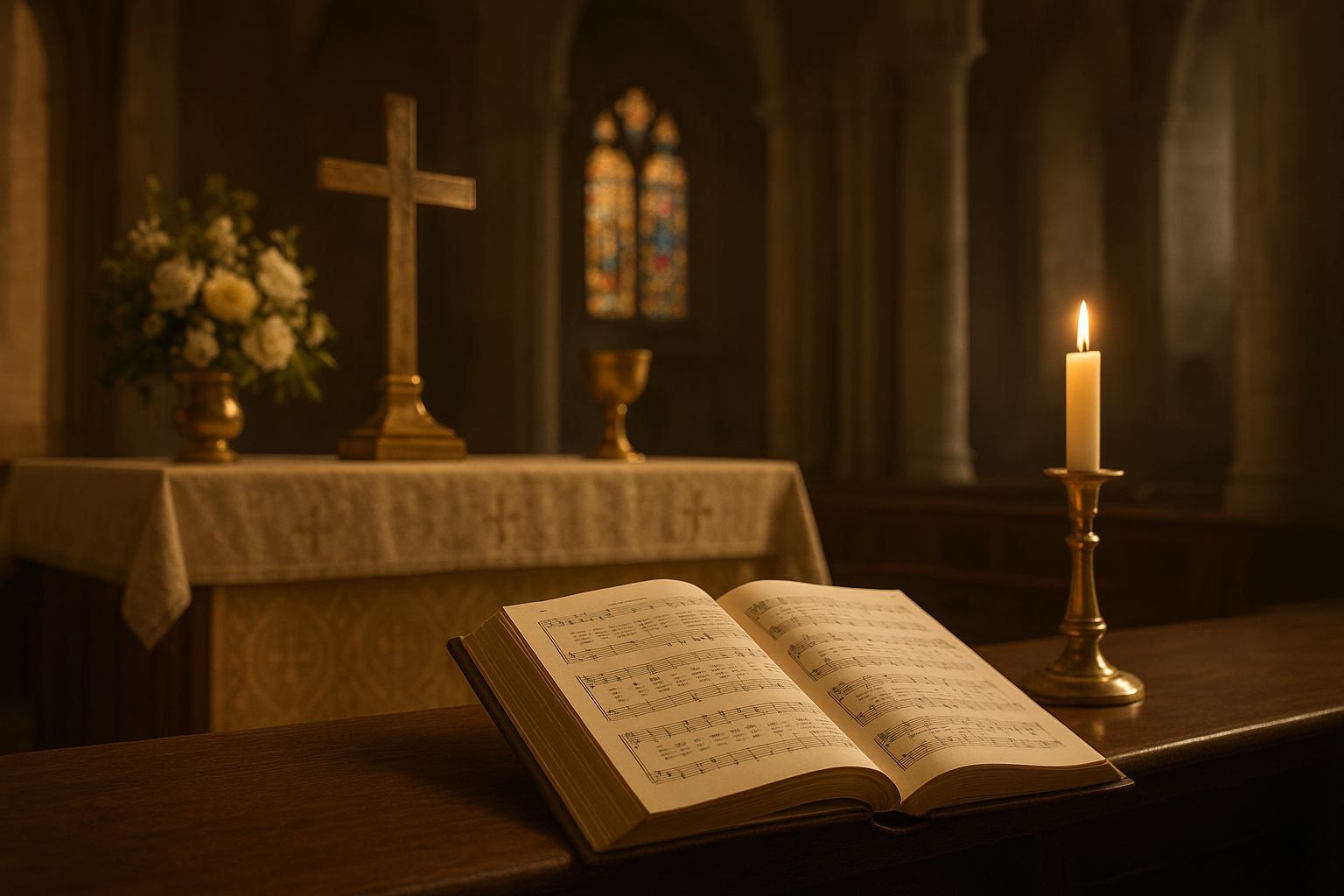
    Throughout history, music has played a pivotal role in religious worship services across various cultures and faiths. The liturgical music, created specifically for worship, serves not only as a form of artistic expression but also as a spiritual vehicle that elevates the religious experience. This rich tradition of music continues to be a significant component of worship, resonating with congregations around the world.

    The Historical Roots of Liturgical Music

    The origins of liturgical music can be traced back to ancient times when tribal chants and hymns were performed as a part of religious rituals. In the Christian tradition, Gregorian chants emerged around the 9th century as one of the earliest forms of sacred music. Named after Pope Gregory I, these chants were composed to accompany the Mass and the Divine Office.

    “Music, uniquely among the arts, is both completely abstract and profoundly emotional. It has no meaning or at least no fixed meaning.” — Leonard Bernstein

    The influence of Gregorian chants extended beyond religious contexts, inspiring subsequent generations of composers during the Renaissance and Baroque periods. Composers like Johann Sebastian Bach and Thomas Tallis expanded the repertoire of sacred music by creating intricate musical compositions for worship services, such as mass settings, motets, and hymns.

    The Role of Music in Modern Worship

    In contemporary worship services, liturgical music continues to serve as an essential element that fosters community and enhances the spiritual atmosphere. Various denominations have adapted their musical traditions to reflect the evolving tastes of their congregations. Many churches have embraced modern styles, incorporating folk, gospel, and contemporary Christian music into their services.

    • Hymns: Traditional hymns, often rooted in scripture and theology, remain a staple in many worship services. These songs provide a sense of continuity and connection to the past.
    • Contemporary Worship: Bands and worship leaders now perform contemporary Christian music, utilizing modern instrumentation and lyrics that resonate with today’s congregants.
    • Choral and Instrumental Music: Choirs and orchestras still play a vital role in many liturgical settings, offering complex arrangements that deepen the worship experience.

    One of the most significant aspects of liturgical music is its ability to unify participants, transcending language and cultural barriers. As Martin Luther once asserted, “Music is an agreeable harmony for the honor of God and the permissible delights of the soul.”

    As we look to the future, the legacy of liturgical music will undoubtedly continue to evolve, adapting to the needs and desires of worshippers while holding fast to its rich historical roots. Whether through traditional hymns or modern worship songs, the power of music to elevate the spirit and bring people closer to the divine will remain a cornerstone of religious practice.

  • Inspiration from Above: Stories of Composers and Their Muses

    Inspiration from Above: Stories of Composers and Their Muses

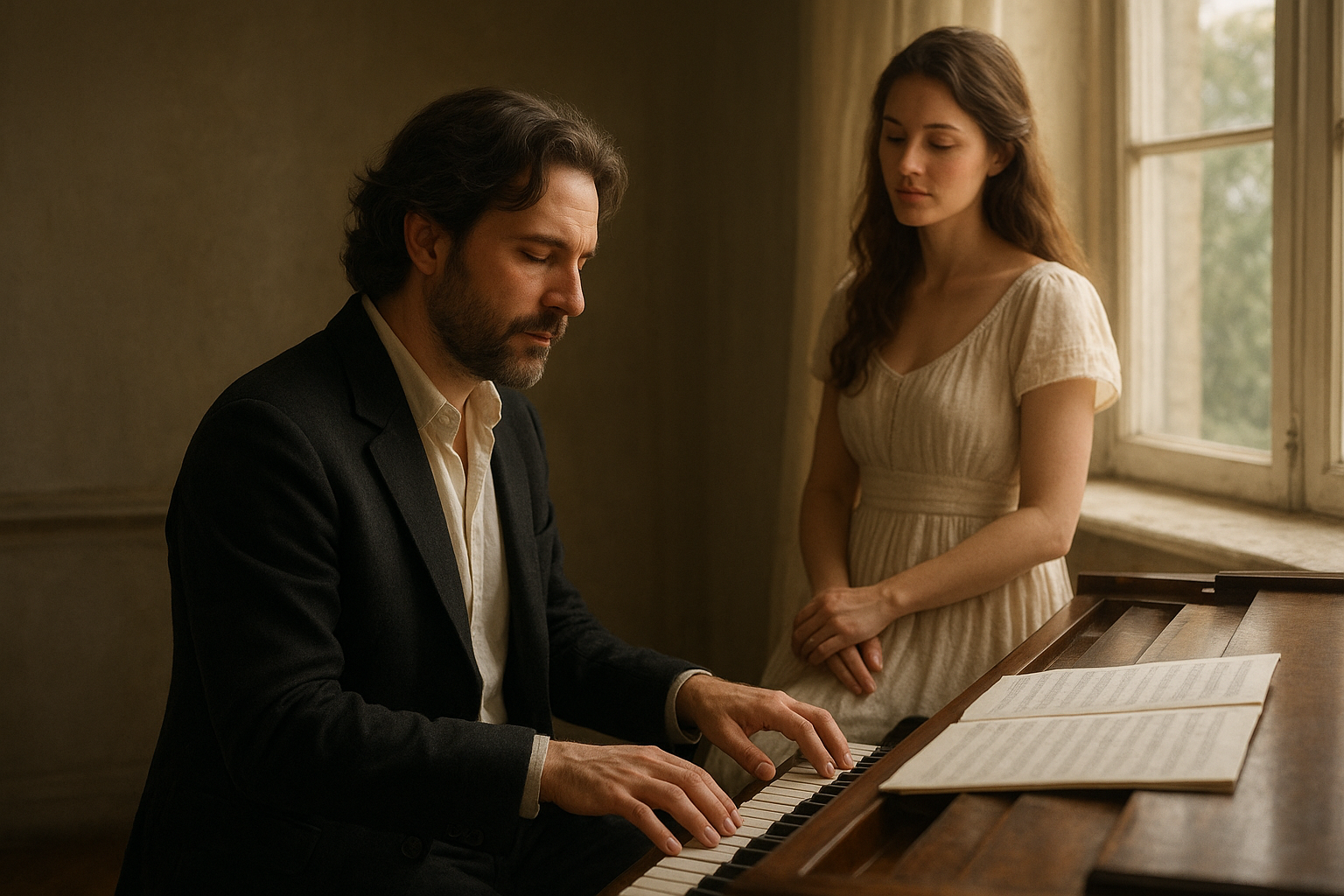
    Music is a powerful force, transcending time and space to touch the very essence of human emotion. Behind many of the world’s greatest compositions lies a story of inspiration. Often, these stories are centered around muses—be they people, places, or even the divine. This article explores the muses of some renowned composers and how these influences shaped their iconic works.

    Beethoven and the “Immortal Beloved”

    Ludwig van Beethoven, one of the most celebrated composers in history, is known for creating deeply emotive and enduring music. An enigmatic figure in his life was the “Immortal Beloved,” to whom he penned a passionate letter expressing endless devotion and longing.

    “My angel, my all, my very self… Can our love last otherwise than through sacrifices, than by not demanding everything?”

    —Ludwig van Beethoven

    This mysterious woman, though her identity remains uncertain, undoubtedly fueled some of Beethoven’s most heartfelt compositions. His Piano Sonata No. 14, popularly known as the “Moonlight Sonata,” is believed to be inspired by his deep emotional states during his interaction with his muse.

    Clara Schumann and Johannes Brahms

    The relationship between Clara Schumann, an accomplished composer and pianist in her own right, and Johannes Brahms is marked by deep admiration and mutual inspiration. Despite Brahms’s intense feelings for Clara, they remained dear friends throughout their lives.

    “I constantly have to be thinking of you and I would like to devote every note to you.”

    —Johannes Brahms

    Brahms’s deep affection is evident in works like his Violin Concerto in D Major, where Clara’s influence is apparent in the emotional depth and technical intricacies of the music. Their correspondence and music exchange turned their personal and musical relationship into an artistic muse for Brahms.

    Frédéric Chopin and George Sand

    The tumultuous relationship between Frédéric Chopin and the French writer George Sand was filled with both passion and conflict but remained a significant source of inspiration for Chopin during the decade they spent together. Sand was more than just a companion; she was a creative force that ideally complemented Chopin’s introspective nature.

    “I tell you all this so that you will understand how we lived then. I absorbed so much love and art and life in those walls.”

    —George Sand on Chopin

    The intense emotional experiences during this period in Majorca and later in Nohant were reflected in his Preludes, opuses such as the famous “Raindrop Prelude,” offering a profound glimpse into Chopin’s emotional state and the influences of Sand’s presence.

    Igor Stravinsky and Ballet

    Igor Stravinsky’s career as a composer was distinctively shaped by his collaborations with the Russian ballet impresario Sergei Diaghilev. Diaghilev’s innovative visions for the Ballet Russes inspired Stravinsky to compose some of his most iconic works, including The Firebird, Petrushka, and the groundbreaking The Rite of Spring.

    These collaborations illustrated the profound influence of the art of ballet on Stravinsky’s music, driving him to explore new musical frontiers and revolutionize the landscape of 20th-century classical music.

    Hildegard von Bingen’s Divine Inspirations

    Medieval composer and mystic Hildegard von Bingen is renowned for her philosophical works and sacred music. Her compositions were often inspired by visions she described as divine. Hildegard’s music, such as “Ordo Virtutum,” is viewed as divinely inspired, composed as a result of her mystical experiences.

    “I am but a feather on the breath of God.”

    —Hildegard von Bingen

    For Hildegard, these heavenly visions were not only a source of personal inspiration but also a spiritual guide underscoring her contributions to the religious and musical landscape of her time.

    Conclusion

    The relationship between composers and their muses is a tapestry woven with creativity, emotion, and sometimes divine inspiration. These stories reflect how personal connections and unique experiences influence the art of music composition. From Beethoven’s mysterious love to Stravinsky’s collaboration with ballet, these muses have left an indelible mark on their work, providing us with masterpieces that continue to resonate through time.

    For further reading on these remarkable relationships, consider exploring Encyclopedia Britannica and Oxford Music Online.