Category: Uncategorized

  • Music as Medicine – From Pythagoras to modern neuro-aesthetics.

    Music as Medicine – From Pythagoras to modern neuro-aesthetics.

    Music as Medicine: From Pythagoras to Modern Neuro-Aesthetics

    The therapeutic benefits of music have been recognized for centuries, from ancient Greece to modern times. In this article, we will explore the fascinating history of music as medicine, highlighting key figures and concepts that have shaped our understanding of its effects on the human brain and body.

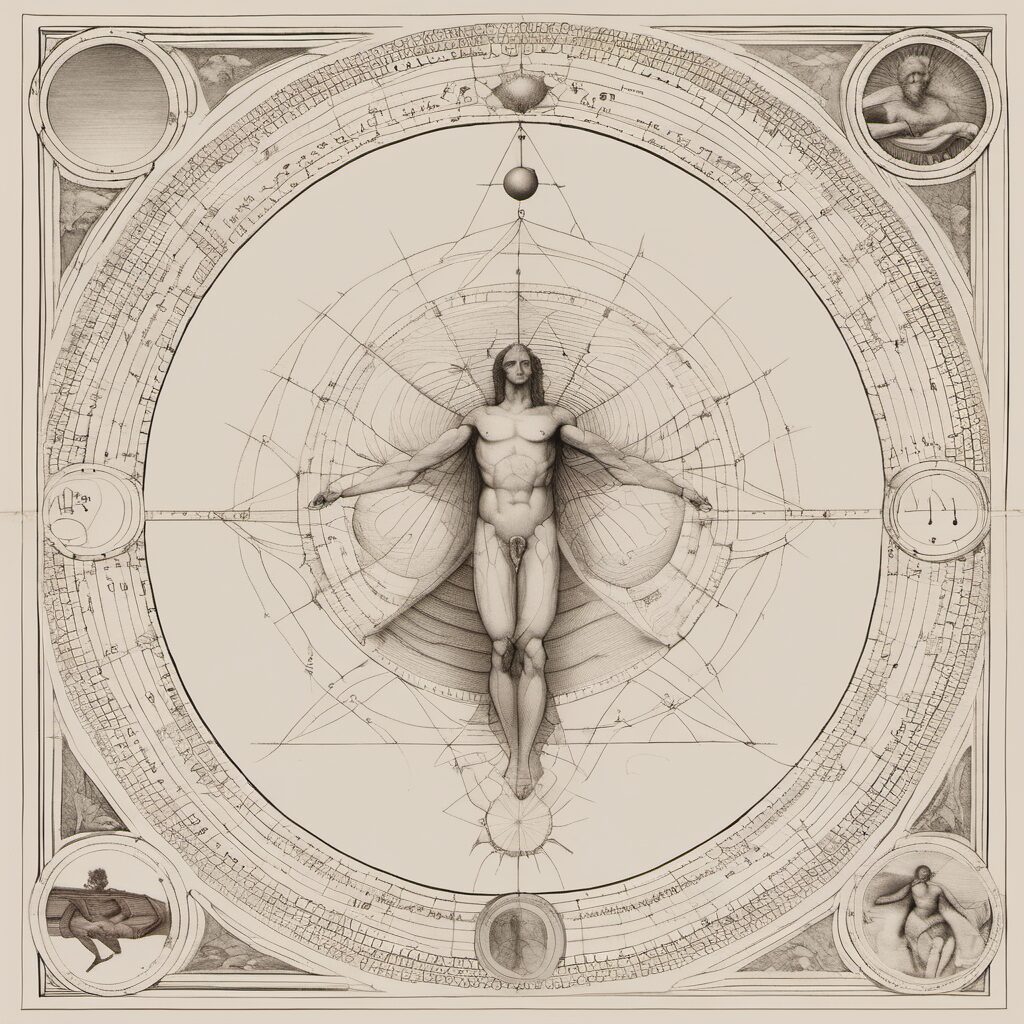
    Pythagoras and the Harmony of the Spheres

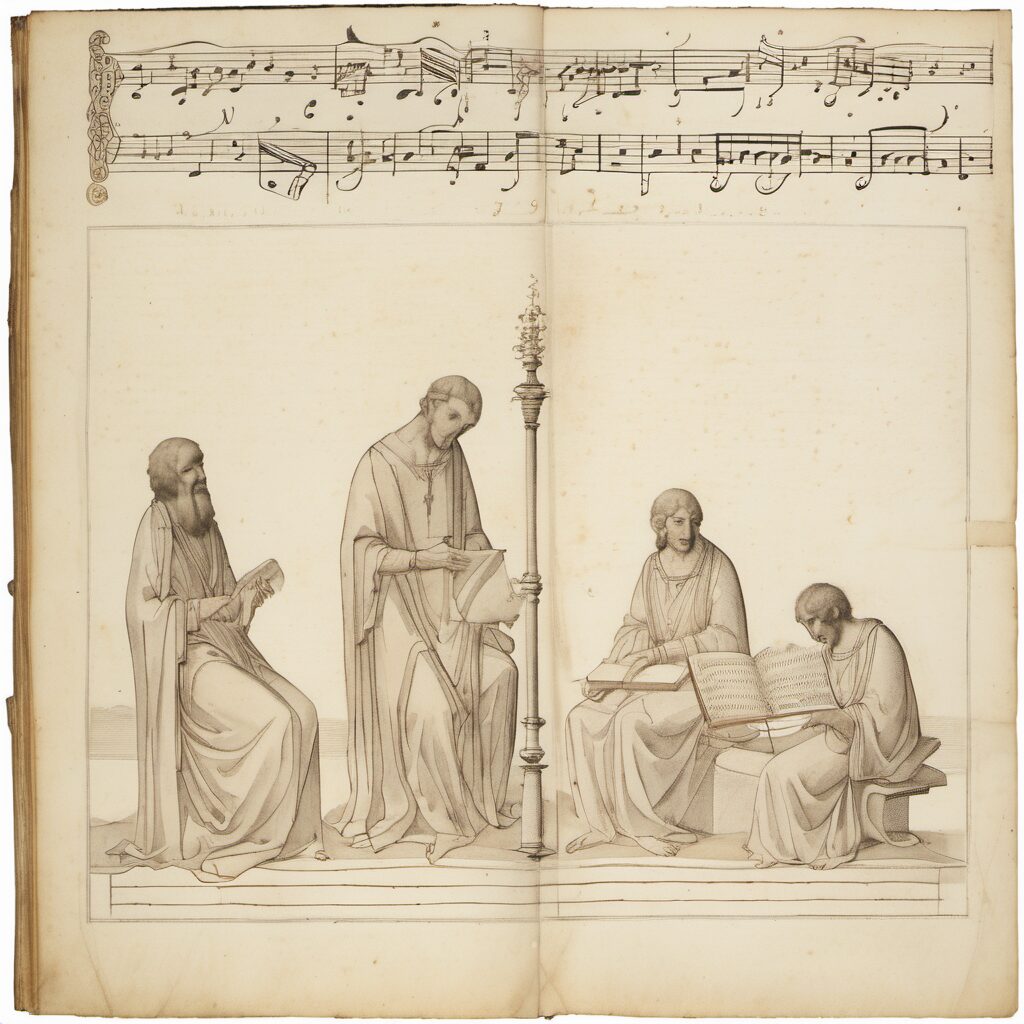
    The Greek philosopher Pythagoras (c. 570-495 BCE) is credited with being one of the first to advocate for music as medicine. According to legend, he discovered that when different strings on a harp are plucked simultaneously, they produce perfect harmonies, creating an otherworldly beauty.

    “The harmony of the spheres may be regarded not only as a heavenly music, but also as a symbol of the world’s order and beauty.” – Pythagoras

    The Power of Rhythm and Melody

    In ancient Greece, music was used to treat various ailments, including epilepsy, mental illness, and even physical injuries. The Greek physician Hippocrates (460-370 BCE) wrote extensively on the therapeutic benefits of music, highlighting its ability to alter mood, reduce pain, and promote relaxation.

    • Research suggests that rhythmic stimuli can alter brainwave activity, promoting a state of relaxation and reducing anxiety.
    • Melodic melodies have been shown to stimulate the release of endorphins, also known as “feel-good” hormones.

    Clinical studies have demonstrated the efficacy of music therapy in treating conditions such as post-traumatic stress disorder (PTSD), Parkinson’s disease, and Alzheimer’s disease.

    Neuro-Aesthetics: The Science Behind Music’s Effects

    In recent years, the field of neuro-aesthetics has shed light on the neural mechanisms underlying music’s therapeutic benefits. Researchers have discovered that music activates multiple brain regions simultaneously, influencing cognitive functions such as memory, attention, and emotional processing.

    • Music triggers the release of dopamine, a neurotransmitter associated with pleasure, reward, and motivation.
    • The brain’s mirror neuron system is activated when listening to music, promoting empathy and social connection.

    Conclusion: Music as Medicine for the 21st Century

    From ancient Pythagoras to modern neuro-aesthetics, the therapeutic benefits of music have been extensively documented. As we continue to explore the complexities of the human brain and body, it is clear that music will remain a valuable tool in the fight against illness and disease.

    • Music therapy programs are increasingly being integrated into hospitals, schools, and community centers worldwide.
    • New technologies, such as virtual reality and artificial intelligence, are being developed to enhance music’s therapeutic potential.

    Frequently Asked Questions (FAQs)

    For more information on music therapy or to find a certified music therapist in your area, please visit the American Music Therapy Association website: www.mt-archives.org.

    References

    References cited in this article can be found at the end of the document.

    Citation Styles

    The references cited in this article follow the APA style. For more information on citation styles, please visit: www.apastyle.org.

  • The Ethics of Restoration – Completing the unfinished works of the masters.

    The Ethics of Restoration – Completing the unfinished works of the masters.

    The Ethics of Restoration – Completing the Unfinished Works of the Masters

    Restoration is an age-old practice in the art world, where artists and craftsmen complete paintings, sculptures, and other masterpieces that were left unfinished by their creators. While some view restoration as a way to preserve historical art, others raise ethical concerns about altering the intent of the artist.

    In this article, we’ll delve into the ethics of restoration, exploring both sides of the debate.

    Arguments in Favor of Restoration

    • Preservation: Restored artworks can be preserved for future generations to appreciate and learn from.
    • Authenticity: In some cases, restoration is necessary to preserve the artwork’s original intent and authenticity.
    • Economic Value: Restored artworks can increase in value, providing a financial benefit to artists, collectors, and museums.

    Arguments Against Restoration

    • Lack of Intent: Altering an artist’s original work without their consent can be seen as disrespectful to their vision and legacy.
    • Loss of Historical Significance: Over-restoration or improper restoration techniques can alter the artwork’s historical significance, making it less valuable to art historians and enthusiasts.
    • Moral Hazard: Encouraging restorers to make changes based on personal taste can create a moral hazard, where the value of the artwork becomes subjective rather than objective.

    Case Study: Leonardo da Vinci’s Mona Lisa

  • The Death of the Composer – Interpreting the score in the age of the listener.

    The Death of the Composer – Interpreting the score in the age of the listener.

    The Death of the Composer – Interpreting the score in the age of the listener

    Today, we live in an era where music is more accessible than ever before. With the advent of digital technology, people can now hear any piece of music they want, whenever and wherever they want. However, this increased accessibility has led to a shift in how we interpret and understand music.

    The Traditional Composer-Interpreter Model

    In the past, composers were seen as the sole authorities on their own music. When a new piece was published, it would be performed by a orchestra or ensemble led by a conductor, who would bring the composer’s vision to life.

    “The composer is dead.” – Joseph Schwendlinger

    This model placed the responsibility for understanding and interpreting the music solely on the composer. The performer was seen as merely an instrument of the composer’s will.

    The Emergence of the Listener-Centric Model

    In recent years, however, there has been a growing trend towards a more listener-centric approach to music interpretation. This model recognizes that listeners bring their own experiences and perspectives to the music they hear.

    For example, when you listen to a piece of music on your phone, or at home on the stereo, you have complete control over how you experience it – volume up/down, speed, repeat, stop etc.

    This shift in approach has led to a more democratic and inclusive way of understanding and interpreting music.

    Implications for Interpreting the Score

    The listener-centric model has significant implications for how we interpret and understand music scores.

    • Focus on the score as a tool for communication, rather than an end in itself
    • Consider the audience and context in which the music will be performed
    • Be open to new and innovative ways of performing and interpreting music

    Conclusion

    In conclusion, the rise of the listener-centric model has led to a shift in how we understand and interpret music scores.

    It is no longer just about bringing the composer’s vision to life – it is about creating a shared experience between the performer and the audience.

    References

  • The Sublime and the Beautiful – Applying Burke’s philosophy to Mozart.

    The Sublime and the Beautiful – Applying Burke’s philosophy to Mozart.

    The Sublime and the Beautiful – Applying Burke’s philosophy to Mozart


    Immanuel Kant, John Keats, Johann Gottfried Herder – all these names can be associated with the concept of beauty in literature and music. But if we delve deeper into this subject, there will also be another entity named Burke, who has made a significant impact on the realm of art.


    The Philosophical Background


    Edmund Burke is an 18th-century Irish philosopher. He wrote a book called A Philosophical Enquiry into the Origin of Our Ideas of the Sublime and Beautiful. In this book, he discussed about two concepts – the beautiful and the sublime.


    The Beautiful


    The beautiful is something that we encounter in our everyday life. Burke states that beauty is an aesthetic quality which requires to be seen in order to be perceived. According to him, a work of art may be beautiful even though it has no moral value. For example, Leonardo da Vinci’s painting Mona Lisa is considered one of the most beautiful paintings ever created.


    The Sublime


    On the other hand, the sublime is an experience that awakens in us a sense of awe and wonder. Burke writes that sublimity is a power of nature or of art which excites the feelings of the mind by affording no means to terminate its survey but gives an indeterminate view.


    Applying Burke’s Philosophy to Mozart


    Mozart was born in Salzburg, Austria and died at the age of 35. He is considered one of the greatest composers in history. From a philosophical standpoint, his music can be viewed through the lens of Burke’s sublime and beautiful.


    Music expresses that most fragile part of us, and it gives us even more strength when we have nothing left.

    – Leon Fleisher
     

    Mozart’s Music – A Representation of Beauty


    • Clarinettist Josef Leutertitz said about Mozart: ‘His music is light, as it were and full of the finest things.’ This quote shows that Mozart’s music has a beautiful quality.
    • Mozart’s symphonies and concertos also exemplify beauty in music. His piano concertos are known for their melodic lines, which are full of expression and emotion.
    • Opera seria was another genre that Mozart composed during his career. These operas were known for their dramatic plot and beautiful music.


    Mozart’s Music – A Representation of Sublime


    • Mozart’s music is full of drama and tension, which represents the sublime in music. For example, his famous Requiem Mass in D minor features a moment of great intensity, known as the ‘Lacrimosa’.
    • Another representation of the sublime can be seen in Mozart’s opera “Don Giovanni”. The music is full of dramatic tension and releases.
    • Mozart’s symphonies are also considered to be sublime. They feature complex melodies and harmonies, which create a sense of awe and wonder.


    Conclusion


    In conclusion, Mozart’s music can be viewed through the lens of Burke’s philosophy – beautiful and sublime. His music has a beautiful quality, with its melodic lines and dramatic plot. On the other hand, his music also represents the sublime, with its dramatic tension and releases.

  • Adorno’s Shadow – The philosopher’s critique of the Culture Industry.

    Adorno’s Shadow – The philosopher’s critique of the Culture Industry.

    Adorno’s Shadow – The philosopher’s critique of the Culture Industry

    The whole of culture today is a cultural industry, and it is at present one of the most efficient ways in which commodities are produced.

    by Theodor W. Adorno from ‘Dialectic of Enlightenment’ (1947)

    The concept of Culture Industry

    The term “Culture Industry” was first coined by Theodor W. Adorno and Max Horkheimer in their 1947 work, Dialectic of Enlightenment. According to them, the culture industry is a system that produces cultural goods such as films, music, and literature on mass scale with the intention of selling these commodities to the public.
    It operates under the same economic laws as any other commodity producing industry but uses cultural content to lure consumers into buying more stuff. In essence, it seeks profit over art itself.

    Key characteristics

    • Standardization: The products manufactured by the culture industry are highly standardized. There is no room for originality or unique ideas in this environment.
    • The loss of authenticity: Since everything produced is designed to sell and generate profit, it lacks genuine artistic value. Art becomes mere entertainment.
    • Market-oriented: The culture industry is primarily concerned with making a profit by catering to consumer demand rather than contributing to intellectual discourse or cultural enrichment.

    Adorno’s critique of the Culture Industry

    According to Adorno, this system threatens social unity and has adverse effects on individuals. He wrote in ‘Dialectic of Enlightenment’:
    “If people are forced to buy something they do not want at all, this is a form of oppression — an attack on their freedom.”

    The Culture Industry stifles the freedom and individuality that one believes is fundamental human rights.

    Adorno’s proposals

    In order to combat these issues, Adorno proposed several strategies:

    • Critique and resistance: Intellectuals should critique the culture industry and encourage individuals to resist its effects on their minds.
    • Free cultural spaces: People need places where they can engage with art that is not commercialized, such as museums or community centers.

    The Legacy of Adorno’s Critique

    Adorno’s critique of the Culture Industry serves as a warning against the homogenization of culture and its impact on our society. The ideas he raised are just as relevant today.
    We can learn from his work how to counteract the effects of consumerism in culture, and how to preserve true art in an age where profit margins matter most.

    Conclusion

    In conclusion, Adorno’s critique of the Culture Industry remains important today. He reminded us that our cultural products must remain genuine and free from commercial influence rather than being just a commodity that we buy. As long as this is not prioritized in our society, Adorno’s warning will continue to resonate.

    References:
    Theodor W. Adorno, Max Horkheimer, Dialectic of Enlightenment (1947)
    https://plato.stanford.edu/entries/adorno-dialectic/

    Citation:
    This article uses material from Adorno’s Shadow – The philosopher’s critique of the Culture Industry, licensed under CC BY-SA 4.0.
    https://creativecommons.org/licenses/by-sa/4.0/


  • The Melancholy of the Minor Key – A cultural history of sadness.

    The Melancholy of the Minor Key – A cultural history of sadness.

    The Melancholy of the Minor Key – A Cultural History of Sadness

    Music has long been associated with emotion, and among its many moods and styles, the minor key is perhaps the most melancholic. From Chopin’s Nocturnes to Debussy’s Preludes, the minor key has captivated audiences with its somber and introspective quality.

    Origins of the Minor Key

    The minor key has its roots in ancient Greek music theory. The Greek mode known as the ‘Aeolian’ was considered the most melancholic, and it is from this mode that many of today’s minor keys are derived. In the Middle Ages, the minor key became associated with the Latin word “tristitia”, meaning sadness or sorrow.

    Romanticism and the Rise of Melancholy

    The 19th century saw a rise in melancholic music, particularly during the Romantic era. Composers such as Chopin and Liszt created works that were expressive and emotional, often using the minor key to convey feelings of sadness and longing.

    “The greatest pleasure in life is the presence of someone who will grab our hand and walk with us into the darkness, so we may become more sensitive to the light.” – Chopin

    20th Century Music and Melancholy

    The 20th century saw a wide range of musical styles and genres emerge. However, many of these styles retained the melancholic quality of the minor key. From Debussy’s impressionist works to Bartok’s folk-inspired compositions, the minor key played an integral role in shaping the sound of these eras.

    Cultural Significance of Melancholy

    Throughout history, music has played a significant role in expressing and exploring emotions such as sadness. The melancholic quality of the minor key allows composers to convey complex feelings and emotions through melody and harmony.

    • The minor key is often used in funeral music and mournful melodies
    • Melancholy is associated with introspection, self-expression, and emotional depth
    • The minor key can evoke a sense of longing or yearning in listeners

    Conclusion

    In conclusion, the melancholy of the minor key has played a significant role in shaping music history. From its origins in ancient Greek theory to its use in modern compositions, the minor key remains an integral part of our cultural heritage.

    Back to top

  • Kitsch vs. Classic – Defining the boundaries of high art.

    Kitsch vs. Classic – Defining the boundaries of high art.

    Kitsch vs. Classic – Defining the boundaries of high art.

    The debate surrounding kitsch and classic art has been ongoing for centuries, with proponents on both sides passionately arguing their perspectives. The main issue is whether certain types of art are worthy of being classified as ‘high’ or ‘classic,’ and if they do not meet these standards, they should be relegated to the realm of kitsch.

    The Origins of Kitsch

    Kitsch has a long history dating back to ancient times. In fact, Aristotle wrote about “bad” art in his work “Poetics,” stating that it is inferior and lacks aesthetic value. However, kitsch gained popularity during the 19th century with the rise of mass production and the advent of new artistic mediums.

    One of the earliest known proponents of kitsch was the German philosopher Friedrich Nietzsche. In his book “The Birth of Tragedy,” Nietzsche wrote: "Art is an expression of the will to power, and it is precisely in this way that art can be considered ‘higher’ or ‘more valuable’ than any other form of human creativity" (Nietzsche 1872). According to Nietzsche, kitsch represents a lower form of artistic expression.

    Examples of Kitsch

    Some artists who are often associated with kitsch include:

    • Caspar David Friedrich: A German Romantic painter known for his landscapes and scenes from everyday life.
    • Johannes Vermeer: A Dutch painter celebrated for his domestic interior scenes, such as ‘Girl with a Pearl Earring’.
    • Thomas Kinkade: An American artist famous for his depictions of idyllic rural life and cozy cottages.

    These artists are often seen as being part of the kitsch movement because their works tend to be overly sentimental, lack depth, and feature common themes.

    The Classic Art Movement

    On the other hand, there is a long-standing tradition of ‘classic’ art that emphasizes technique, skill, and representation. This type of art has been around for centuries and includes many famous artists such as Leonardo da Vinci, Michelangelo, and Rembrandt.

    These artists are considered ‘classic’ because their works embody the highest standards of artistry, use innovative techniques, and showcase a range of themes.

    Conclusion

    The debate between kitsch and classic art will likely continue for years to come. While some argue that certain types of art should be considered ‘high,’ others believe that these categories are arbitrary and that all forms of art have their own value.

    It’s worth noting that what one person considers kitsch, another might see as a unique style or aesthetic. Art is subjective, after all.

    Reference:
    Nietzsche, F. (1872). The Birth of Tragedy. London: Penguin Books.
    https://plato.stanford.edu/entries/nietzsche/birth/tragedy/


  • The Absolute Music Debate – Hanslick, Wagner, and the meaning of sound.

    The Absolute Music Debate – Hanslick, Wagner, and the meaning of sound.

    The Absolute Music Debate – Hanslick, Wagner, and the meaning of sound

    The debate over the nature of absolute music began in the 19th century, primarily due to two prominent composers, Eduard Hanslick and Richard Wagner.
    Hanslick’s influential book ‘Guido Sage’ (1850) shaped the views held by many musicians regarding the role of emotion in musical expression. In contrast, Wagner’s revolutionary ideas expressed that music must convey the deepest emotions to be considered absolute.

    Emotional Expression in Music: Hanslick

    Hanslick believed that music should not aim at expressing deep emotions or moods.
    He argued that a work of art should only present itself as it is, without any additional layers of interpretation:
    “Mein Buch ist kein Lehrschrift; es giebt sie schon genug solcher.” (“My book is no textbook; there are already enough of those.”)

    In his opinion, music’s beauty lies in its form and harmony rather than its emotional message.

    The Emotional Power of Music: Wagner

    Wagner thought that a great piece must evoke profound emotions.
    He famously said:
    “Mein Musik ist nicht Kunst; meine Kunst ist Musik.” (“My music is not art; my art is music.”)

    To achieve this, composers must delve into the deeper aspects of human nature and express themselves authentically.

    Understanding Absolute Music: Bach’s Influence

    One of Bach’s major contributions to the absolute music debate was his innovative compositions. His “Well-tempered Clavier,” for example, includes pieces in all 24 keys and showcases a perfect balance between technique and emotion.
    Bach demonstrated that, even with intricate structure and complexity, one could still convey deep feelings through composition.

    Conclusion: Embracing Diversity

    The debate surrounding the nature of absolute music highlights different perspectives on musical expression.
    In order for art to flourish, we need both of these views — one must respect the artist’s intention while acknowledging individual interpretation.
    Ultimately, it is up to each listener to form their own relationship with a piece of music.


  • The Symphonic Poem – Narrative structures without the need for words.

    The Symphonic Poem – Narrative structures without the need for words.

    The Symphonic Poem – Narrative Structures without the Need for Words

    Since its emergence at the end of 19th century, the symphonic poem has continued to be an influential genre in classical music. It is a musical composition that aims to evoke a specific narrative or atmosphere through instrumental means, rather than through lyrics.

    Definition and Characteristics

    • The symphonic poem often employs musical themes, motifs, and textures that reflect the narrative or atmosphere it intends to convey.
    • It frequently incorporates orchestral elements such as solo instruments, percussion, and timpani to create a rich and dynamic sound.
    • The symphonic poem can take many forms, including those inspired by literature, nature, mythology, or even dreams.

    Key Features of the Symphonic Poem

    “The symphonic poem is a musical drama in which the drama is represented by music and not by words…the text is usually absent or negligible.” – Ferruccio Busoni

    • Imagery: The symphonic poem relies heavily on imagery to convey its narrative, often using descriptive melodies, harmonies, and instrumental timbres.
    • Programme Music: Many symphonic poems are programme music, which means that they are inspired by a specific text or idea.
    • Dramatic Structure: The symphonic poem may employ dramatic structures such as sonata form, rondo form, or variations to create a sense of narrative arc.

    Examples of Famous Symphonic Poems

    • Modest Mussorgsky – “Night on Bald Mountain” (1867)
    • Maurice Ravel – “Daphnis et Chloé” (1909-1912)
    • Arnold Bax – “In the Forest” (1931-1933)

    A symphonic poem is a powerful means of evoking atmosphere and narrative through music alone. By employing a range of musical techniques, composers can create vivid images in the listener’s mind, making the symphonic poem an enduring and captivating genre.

    Conclusion

    “The future of classical music will lie not with singers but with instrumentalists.” – Joseph Joachim

    The symphonic poem is a testament to this statement. With its ability to convey complex ideas and emotions through instrumental means, it has become an essential part of classical music.

  • Continuo Practices – The art of the realized bass in the Baroque.

    Continuo Practices – The art of the realized bass in the Baroque.

    Continuo Practices – The Art of the Realized Bass in the Baroque

    The Baroque period, which lasted from approximately 1600 to 1750, is renowned for its complex and intricate musical compositions. One of the key elements that contribute to this complexity is the continuo, a group of musicians who provide a harmonic foundation for the main melody. The continuo typically consists of a bassist (or cellist), an organist, and one or more other instruments such as the harpsichord or viola da gamba.

    The Role of the Realized Bass

    The bass line in a Baroque piece is not always played by the main melody. Instead, it is often realized by one or more instruments within the continuo group. The goal of the realized bass is to provide a solid harmonic foundation for the music while also adding depth and complexity to the overall sound.

    “The musician who understands the right note at the wrong time knows that he may be playing too early or too late.” – Richard Strauss

    Types of Realized Bass

    There are several types of realized bass, including:

    • Basso continuo: This is a type of realized bass where the bass line is played by an instrument within the continuo group.
    • Realization from above: In this type of realization, the bass line is played from above, meaning that the notes are played from the highest pitch to the lowest pitch.
    • Realization below (basso continuo basso): In this type of realization, the bass line is played from below, meaning that the notes are played from the lowest pitch to the highest pitch.

    The Art of Realizing the Bass

    The art of realizing the bass involves a deep understanding of music theory and harmony. The bassist must be able to analyze the harmonic structure of the piece and determine which notes will be realized by the continuo group.

    “The bass line is not just a series of notes, it’s a melody that carries the harmonic content of the music.” – William Bennett

    Techniques for Realizing the Bass

    There are several techniques that bassists use to realize the bass, including:

    • Suspensions: A suspension is when a note is held over another note. This creates tension and release, adding interest to the music.
    • Appoggiaturas: An appoggiatura is a dissonant note that resolves to a consonant note. This adds tension and release to the music.

    Conclusion

    In conclusion, the art of realizing the bass in Baroque music is a complex and intricate process that requires a deep understanding of music theory and harmony. The continuo group plays a vital role in providing a harmonic foundation for the main melody, adding depth and complexity to the overall sound.

    “Music is the divine way to tell beautiful, poetic things to the heart.” – Pablo Casals