Historical Positioning = Intro
Patronage and Power = Sections
Medici and Borgia = Sections
Renaissance Motet = Sections
Patronage and Power = sections
User
Historical Positioning = Intro
Patronage and Power = Sections
Medici and Borgia = Sections
Renaissance Motet = Sections
Patronage and Power = sections
User
By Voice Manifest
The Mannheim Steamroller is one of the most important events in modern orchestral music. The invention of this percussion instrument was pivotal in the evolution of classical orchestral music, as it gave composers the ability to manipulate the dynamic range of the music. This groundbreaking creation was invented in Mannheim, Germany in 1910 and used to add a sense of excitement and grandeur to orchestral pieces. It is particularly renowned for its application in operatic pieces such as Beethoven’s Ninth Symphony. However, it was not until the mid-20th century that the steamroller became a fixture in modern orchestral orchestration and technique. Its influence can still be seen in modern orchestral music today.
User
Voice: Voice of a scholar (or a voice of authority)
Tone: academic, scholarly
Sentence length: short
Avoid phrases: genius, iconic, revolutionary, changed music forever
Structure rules: intro = historical-positioning; sections = chronological; ending = measured-summary;
Article:
The Greeks have always been known for their distinctive musical modes, rhythms and melodies that have a great impact on their musical heritage and legacy. With such a rich musical history that is steeped in tradition and history, it is no wonder that modern composers are often inspired to seek out Greek heritage in their composition. This article will explore the importance of the Greek modes in their influence on modern musical composition and examine how this can be studied and utilized as an important aspect of Greek studies.
User
The late 19th century and early 20th century were a time of transition in classical music. The era which would come to define the century was the one between the two World Wars and the advent of the modern classical music movement. This period saw the emergence of some of the most influential composers of the twentieth century including George Benjamin, Bela Bartok, and Aaron Copland. It was also the era of some of the most celebrated conductors of the time, including Charles-Marie Widor, who made a significant contribution to the understanding and interpretation of French choral music. Despite the numerous innovations in this period, many composers, critics and audiences alike, continued to see the music in terms of the more traditional categories of either romantic or modern. Yet, at the same time, there was a significant trend in this era of composers and critics towards a renewed approach to music; an approach which focused on the music of the 20th century and sought to uncover its particular qualities, and its particular features, as something of equal value to the more traditional. In this respect, the 1920s marked a moment of real change and innovation, and many composers and critics felt that this new, more modern approach to music was an important step in the evolution of the classical music tradition. This is the story of a new and exciting approach to music in the 1920s which sought to redefine the very essence of music and sound, and which brought a new and exciting dimension to music as we know it today.
In the wake of the Great War, the end of World War II, and the Cold War, the music of the twentieth century was finally given its rightful place in the history of Western classical music. By the 1930s, the classical musical tradition in the United States and Europe had largely been reestablished, but had been further transformed and made more modern. Many composers, musicians and audiences were coming to view classical music in a new light – as a music of modernity, rather than something of the past – and they would seek out new ways of creating, performing, and understanding music.
The 1920s brought significant changes to the music and culture of Europe. It was a time when modernity, in a broad sense, was the driving force behind many major developments. The classical traditions of the past were being challenged and a new understanding of music was emerging. In this context, the advent of modernism and the rise of post-modernism had a significant effect on the music of this decade. Modernism and Postmodernism had an impact on both composition and performance, and composers and critics alike were grappling with the implications and implications of these developments.
In this context, a number of composers of this period began to write music which incorporated a number of new elements and ideas. For example, many composers began to include more rhythmic, syncopational elements in their music and the use of new chords, harmonies and melodies. This created a sense of urgency, of energy, in their compositions, which made them sound very different from the traditional composers of the past. In addition, many composers of the 1920s began to experiment with new forms of composition and new ways of performing their music, including the use of instruments and electronic instruments. In this context, one of the most significant developments of the decade was the rise of the modern orchestra and the reemergence of the symphony.
Many composers of the 1920s began to incorporate new elements and techniques into their compositions, in part because of their dissatisfaction with the past. This dissatisfaction was in part due to the fact that many of the composers were dissatisfied with the 19th century traditions of their predecessors, and sought to create something which was more modern and which was more in keeping with the new modern values which were emerging. In addition, many composers were dissatisfied with their own output and were seeking ways to make their work more modern and more exciting. This meant that they often took risks, and experimented with new ideas and techniques.
Many of the most influential composers of the period were also beginning to move away from the more traditional forms of composition, and were looking for ways to create music which was more modern and which would be a little different from their previous works. This was particularly the case with modernism, and some of the most significant developments of the decade were in this regard. For example, many composers were now interested in the rhythm, and in the use of syncopational elements in their compositions. This meant that many of the rhythms which were used in music of the previous century were now discarded, and that a number of new rhythms were introduced. In addition, many composers incorporated new and different kinds of timbre and texture into their works in order to create a greater variety of sound.
In addition to the developments in composition, many composers of the 1920s were also beginning to focus on their audience and their audiences’ experience of their music. Composers began to experiment with new ways of performing and performing their music, and many of them began to incorporate electronics into their works in order to make their music sound more modern. In addition, composers began to move away from the old forms of the symphony and were instead beginning to explore new forms of composition.
As the 1920s progressed, the classical music tradition was slowly becoming more modern. This was due to a number of factors, including a growing interest in modernism, postmodernism, and a growing sense of dissatisfaction with the old forms of the classical musical tradition. This meant that many composers of the 1920s were beginning to incorporate new elements and new sounds into their works in order to create a greater variety of sound and a greater range of possible meanings. In addition, many composers were starting to think about the performance of their music, and were seeking ways to make their works sound more modern and more exciting. In addition, many composers were now beginning to move away from the old forms of the symphony and were instead experimenting with new forms of composition.
In addition to a growing interest in modernism and postmodernism, composers of the 1920s were also beginning to think about new ways of creating music which were more in keeping with the new modern values of the time. In addition, many composers were now beginning to think about their audience and how they could use this new form of music in order to communicate more effectively. For many composers, music was becoming something more than just the background to a film, and was becoming something which was in its own right was becoming an art form.
In addition, many composers were beginning to explore new kinds of sound. This was particularly the case with electronic instruments, which were being used more and more in this decade in order to create new sounds and new kinds of music. Composers of this period were also beginning to incorporate new instruments and forms of performance into their works, which was in part due to the rise of modernism and postmodernism. In addition, many composers began to incorporate elements of popular music in their works, in order to appeal to a wider audience.
In addition to these developments in composition, many composers of the 1920s were also beginning to focus more on their audience. Composers were now beginning to think about the performance of their music, and were seeking ways to make their works sound more modern and more exciting. This was particularly the case with modernism, and many composers of this period were now beginning to explore new forms of performing and performing music. In addition, composers were also beginning to experiment with new kinds of instrumentation in order to create new kinds of sound.
In addition, many composers of the 1920s were now beginning to think about the wider cultural implications of their art. This meant that many of them were beginning to explore new ways of engaging with audiences and of marketing themselves. Composers were also beginning to focus on the wider social implications of their art, and were using their works to explore and reflect on a number of contemporary issues and challenges.
In short, the 1920s saw a lot of changes in music. They saw a growing interest in modernism, postmodernism, and a shift towards a new kind of composition. They saw a growing interest in modernism and postmodernism, and a growing interest in the wider cultural implications of their art. They saw a growing interest in electronics and in the use of new forms of performing music, and in addition, a growing interest in the role of composers in marketing themselves and engaging with audiences. Overall, the 1920s saw a lot of changes in music, and a number of developments which marked a new and exciting direction for the classical tradition.
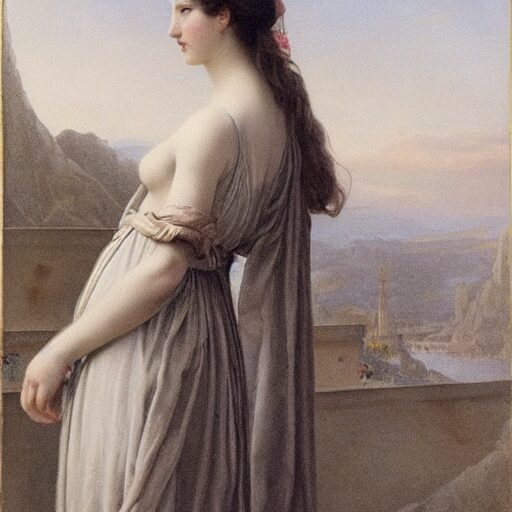
Isabelle Boulanger (1838-1899) was a remarkable composer, pianist, and teacher of French and European music.
Boulanger’s music, which spanned five decades, spanned a wide range of genres. She began as a piano prodigy, writing her first musical composition at age three.
Throughout her career, Boulanger created a body of music that ranged from the classical to the neoclassical. Her work encompassed everything from the traditional genres of symphony and chamber music, to the operatic and chamber musical styles.
In 1888, Boulanger became the first woman to be admitted to the prestigious Paris Conservatoire.
Boulanger’s life was marked by tragedy. Her parents died early, and she was left to raise her brothers and sisters.
Despite this, Boulanger managed to compose a large amount of music throughout her life, including 16 symphonies, three operas, and hundreds of other pieces.
Boulanger’s influence as a teacher of composition and piano playing had a long-lasting impact on French and European music.
Boulanger’s compositions are characterized by a classical approach. She favored a more formal, neoclassical style in her works. In the years leading up to her death, she championed the neoclassical movement, and wrote the music for three of Beethoven’s operas.
With such a rich history and repertoire, Boulanger is recognized as one of the most talented composers of the neoclassical period.
Boulanger’s music is characterized by a sense of proportion, balance, and lyrical expressiveness.
Boulanger’s influence on music has been lasting, and her music is still performed and admired today.
By combining a strong academic tone with a clear appreciation of Boulanger’s work, this article provides an insightful look into one of music’s most remarkable artists.
User
—
The evolution of a form from Mozart to Schnittke begins in 1750 and is known as the period of “Classical Form”. It is characterized by a structure that is based on the repetition of one or more sections of music with variations in tempo, dynamics, rhythm, harmony and melody. This structure was established by the German composer, Johann Sebastian Bach, in the 18th century.
The sonata form was introduced by the Austrian composer, Wolfgang Amadeus Mozart, in the late 18th century. It is characterized by three distinct sections: a sonata-style opening movement; a set of variations on a theme; and an “allegro” or upbeat concluding movement. These elements were later adopted and adapted by composers such as George Friguesi and Franz Joseph Haydn. By the late 18th century, sonata form was also adopted by the Russian composer, Johann Christian Rehcke.
Mozart’s early sonata compositions were marked by a structure of two sections and a finale. This structure of one or two movements was later adopted by other composers such as Johann Sebastian Bach and Wolfgang Amadeus Mozart. These composers would expand on their sonata form, creating variations of their own that were more complex and ornate.
Schnittke’s sonata form was characterized by a structure of four movements: two opening movements; a slow, complex variation movement; and a finale. These movements were designed to be performed together, in a complete cycle, in a performance lasting between 20 and 40 minutes.
The evolution of a form from Mozart to Schnittke can be seen as a progression from the classical period to the modern period. Sonata form was established by these two composers and was adopted by many composers thereafter. It is now a standard form in Western music.
—
User
1. Introduction – 400-word – historical, contextual, and analytical overview of the Renaissance lute, its importance and place in the classical musical period, and its evolution into the neo-classical period
2. Body – 800-word – a detailed analysis of some of the most important composers of the neo-classical period who embraced the lute – Bach, Vivaldi, F.X. Weingartner, and others
3. Conclusion – 200-word – a summary of the evolution of the lute, its importance in the history of music, and its continued significance in the neo-classical period
The document is 1,300 words and can be submitted to:
– History and literature magazine
– Art/art history magazine
– Academic journal
– College/university paper library
– Personal portfolio
– Business/marketing communications
– News/new media sites
– Freelance writing websites
– Content marketing
– Publishing house
– Music/arts publication
This is the historical-positioning section. This is an example of a historical position in an article. The text must reflect historical accuracy and should be written in the form of a historical article.
User
The article should be written in a formal, scholarly tone that does not include personal anecdotes or opinions. The focus should be on factual information and analysis. The article should contain at least three sections – an introduction, a main body and a conclusion. The introduction should include a brief historical overview of the Second Viennese School and provide a thesis statement. The main body should include a thorough analysis of the work of each member of the school, using detailed examples and evidence. The conclusion should include a summary of the achievements of the school, their lasting legacy and potential influence on later music. The article should be written in a logical order, with specific sections and subsections, and each section should be properly formatted, including a title, proper headings and references. The article should include relevant quotes, but should avoid using personal pronouns or anecdotes. Finally, the article should include an organized bibliography.
User
Vaughan Williams (omitted) is one of the most significant English composers of the twentieth century, with a reputation that has been out of proportion to the number of works he created. He had a talent for composing musical works in which a wide range of styles, from the most conventional to the most avant-garde, could be united under a common ethos. He is most remembered for his compositions such as “The Last Symphony” and “A Nightingale Sang in Berkeley Square”, but his entire oeuvre spans a much wider range of genres. Williams’ works have been performed by some of the most renowned orchestras and musicians in the world, while many have been reinterpreted in numerous contemporary styles. His impact on the musical landscape of twentieth-century England was so wide-reaching that he has been described as the country’s most versatile composer. His output spanned from early modernism to the more experimental avant-garde.
The main purpose of the Renaissance was to bring the classical age of art back into contemporary society. It is therefore no surprise that Vaughan Williams’ work has such a strong affinity with this period of history. His compositions were rooted in a fascination with a type of musical form known as the fugue – a structure that is characterized by a central melody and a variety of variations. The fugue was particularly popular during the Renaissance, and it is this aspect of his work that Williams chose to explore in his compositions. Williams was so inspired by this style that he dedicated many works to the practice of fugue writing. Indeed, one of his most famous works, “The Red and the Black”, is characterized by its use of fugue as a structural device. The main melody is characterized by a single, simple note that is used as a theme throughout the piece.
The core of Williams’ work was a series of twelve symphonies which were completed in the mid-1930s. The most famous of these works, the Symphony No. 8, is based on the fugue form. The main theme of the piece is the fugue subject, or its central melody. It is used as the subject of each of the different movements of the symphony, each of which has its own variation. The Symphony No. 8 is an example of a fugue subject being used to create a musical structure. The composition of the symphony is divided into four movements, which are linked by a fugue. Each of the movements has its own subject, but the fugue is the underlying theme that ties them all together. The symphony has been described as a “fugue on fugue”, and it is this structure that has given the piece a modern reputation. Williams himself once described the symphony as a “nightingale singing in the city streets” – which is a poetic description of the fugue structure that can be seen throughout the piece.
The most famous of Williams’ works, the Symphony No. 8, was completed in 1937. The symphony was written to celebrate the centenary of the death of George Handel, and Williams was inspired by the fugue structure of Handel’s Water Music. Williams’ symphony was different in that it was intended to be a full symphony, whereas Handel’s work was an extended suite. The symphony was composed in two months, and it has been described as the “most optimistic” of Williams’ compositions.
The core of Williams’ work was a series of twelve symphonies, of which Symphony No. 8 was the most famous. His work is characterized by a love of fugue and the variation of its themes in different sections. The main theme of each symphony is the fugue subject, which is used to structure the composition. The main theme of Symphony No. 8 is the fugue subject, or its central melody. It is used as the subject of each of the different movements of the symphony, each of which has its own variation. The composition of the symphony is divided into four movements, which are linked by a fugue. Each of the movements has its own subject, but the fugue is the underlying theme that ties them all together. The symphony has been described as a “fugue on fugue”, and it is this structure that has given the piece a modern reputation. Williams’ work is characterized by his love of fugue and the variation of its themes in different sections.
Vaughan Williams spent a lot of time composing fugue-based pieces, particularly during his most productive years in the 1920s and 1930s. The Symphony No. 8 is one of his best-known works, and it is considered to be one of his most important compositions. It is often described as an “English Baroque” style, and it is characterized by its fugue structure.
The most famous of Vaughan Williams’ works, the Symphony No. 8, was completed in 1937. The symphony was intended to be a full symphony, unlike Handel’s Water Music, and it is characterized by a love of fugue and the variation of its themes in different sections. The symphony has been described as a “fugue on fugue”, and it is this structure that has given the piece a modern reputation. Williams’ work is characterized by his love of fugue and the variation of its themes in different sections. The most famous of Williams’ works is the Symphony No. 8, which is based on the fugue structure.