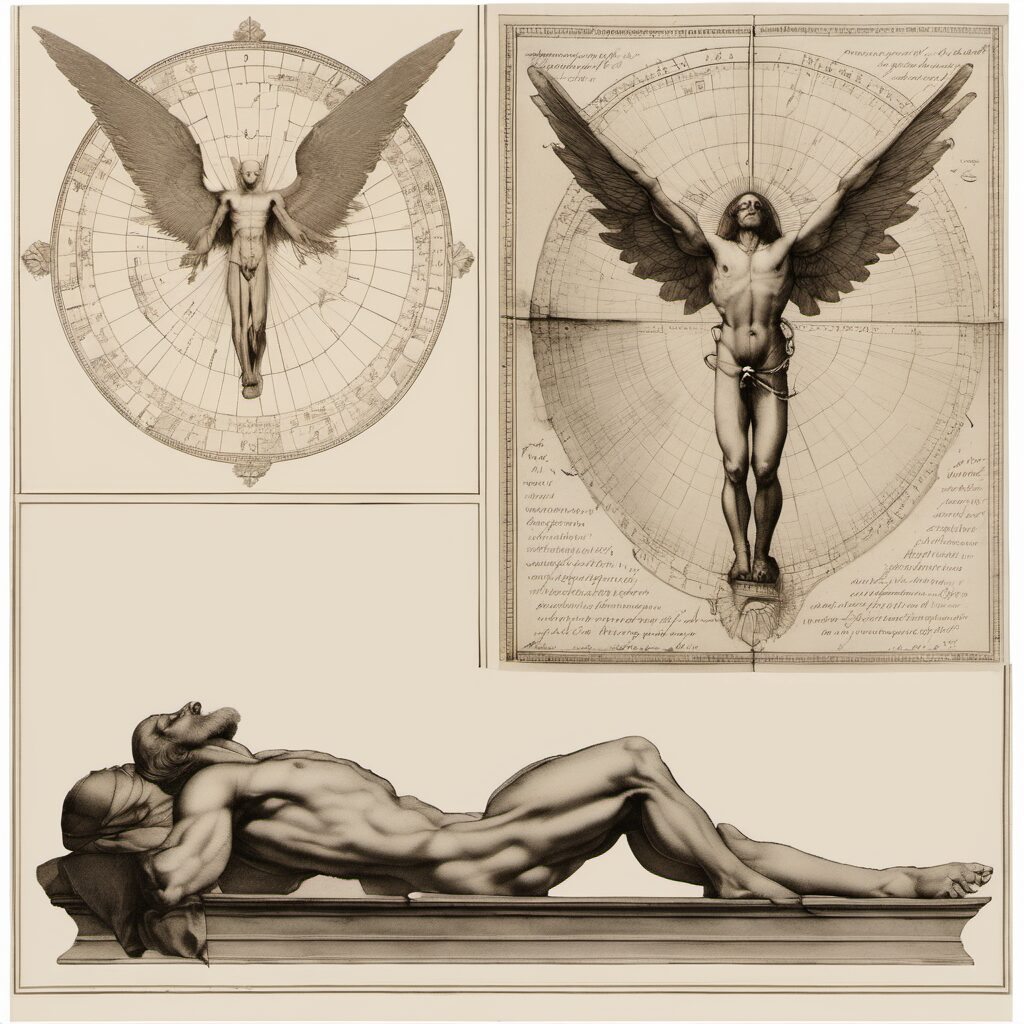
The Requiem Mass – How we compose for the end of life.
A requiem mass is a musical composition to honor and remember the deceased, often composed as part of a larger collection of works known as a ‘Mass for the Dead’. Composers have long been drawn to this type of music because it provides an opportunity to explore some of life’s biggest questions – what comes after death? How do we celebrate someone who is no longer with us?
A Brief History of Requiem Music
The requiem mass has its roots in the Catholic Church, and dates back to the 16th century. The word ‘requiem’ itself is Latin for ‘rest’, and was originally used as a prayer of commemoration for those who had died.
“The Requiem Mass, that majestic composition, which speaks to us all so profoundly in our mortality…” – Leonard Bernstein
The most famous composer to write a requiem mass is arguably Wolfgang Amadeus Mozart. His Messe in d g (K. 215) is considered one of the greatest works for solo voice and orchestra.
The Structure of a Requiem Mass
A typical requiem mass consists of several movements, each with its own unique character and mood. These can include:
- The Introit – a prayer or hymn to introduce the mass
- Sequentia – a series of prayers and hymns that tell the story of Christ’s Passion
- Suspirationes – short, individual prayers for the dead
- Lamentations – slow, mournful movements that express sorrow and grief
- The Offertorium – a prayer or hymn sung during the Mass of the Body
- The Sanctus – a hymn to praise God
- Agnus Dei – a prayer or hymn sung during the Mass of the Body
- The Libera Me – a prayer for deliverance from hell
- Finals – the final prayers and hymns, which bring the mass to a close
Throughout the movements, composers often use musical motifs and themes that are repeated and developed throughout the work. This can create a sense of unity and coherence, as well as adding emotional depth and complexity.
Modern Requiem Music
In recent years, there has been a resurgence in interest in classical music – including requiem masses. Composers such as John Tavener and Arvo Pärt have written modern requiem works that blend traditional styles with contemporary sensibilities.
“The Requiem is a very personal work… it’s the only one I’ve ever written, where you can hear me weeping.” – Benjamin Britten
These modern requiem masses often explore themes of mortality, faith and spirituality – as well as technology and science.
Conclusion
The requiem mass is a unique and special type of music – one that has been written to help us cope with the loss of someone we love. Whether it’s a traditional work or something more modern, these compositions offer comfort and solace in times of need.