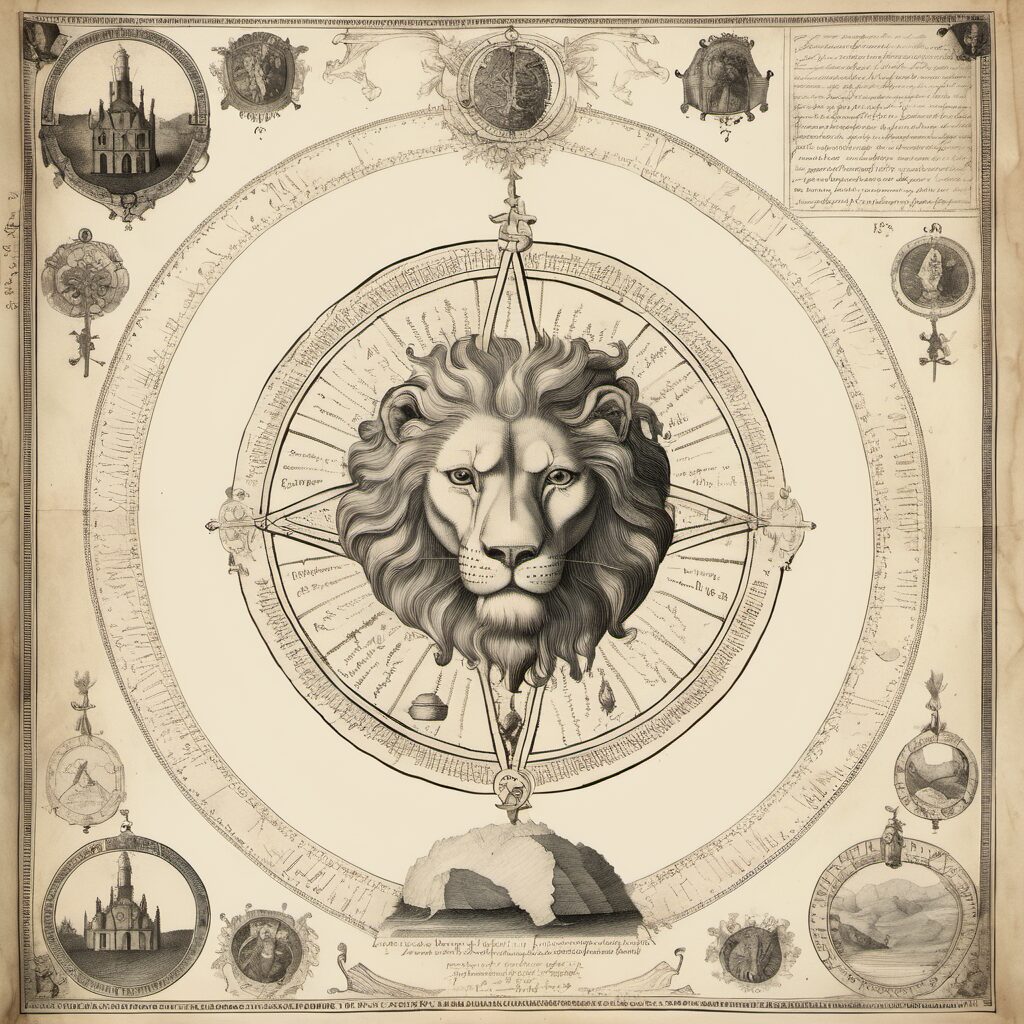
The Castrato Phenomenon – The Physical Price of the Baroque’s Highest Notes
Die Zauberhaft (The Enchanting One), Johann Joseph Fux, 1680
In the world of opera and classical music, there existed a group of singers known as castrati. These vocalists were castrated at a young age to preserve their high-pitched voices for the sake of performing in operas. The most famous of these singers was Adriano Banchieri. In his autobiography, he wrote: ‘I have lost my voice so that I may sing.’
Physical Changes
The process of becoming a castrato involved surgical removal of the testicles, which led to physical changes in the singer’s body. This surgery reduced their production of testosterone and other male hormones, which allowed them to maintain their high-pitched voices.
Foxs Die Zauberhaft (Johann Joseph Fux, 1680)
A collection of vocal pieces by Johann Joseph Fux. It is an example of the castrato repertoire from that time period.
Die Zauberhafft is a collection of 15 pieces written for solo voice and continuo by Johann Joseph Fux. It was first published in 1680. The title “Die Zauberhaft” refers to the magical high notes sung by castrati.
“There are but two types of singers, those who can sing and those who can’t.” – “We have heard that there is a very good singer in Venice; his name is Adriano Banchieri. He is castrato.”
– Antonio Vivaldi
The Social Consequences
The social consequences of becoming a castrato were significant. These singers were often treated as ladies or boys, and they had to live in women’s households or convents for the rest of their lives.
Castrati in Opera
Castrati played an important role in the development of opera. One example is Antonio Vivaldi’s ‘Il Cimento dell’Armonia e dell’Inventione.’ It was first performed on 12 December 1713 at the Teatro San Samuele.
Il Cimento dell’armonia e dell’inventione is a collection of pieces for solo voice and continuo. It was written by Antonio Vivaldi in 1713 and includes the famous aria ‘Maestoso.’
Castrati – The Decline of an Art Form
The number of castrati decreased over time, as they were no longer necessary with the development of new voice types. By the end of the 18th century, the practice of castration had largely stopped.
The practice of castrating singers declined as the use of false vocal cords (floscelli) became more prevalent. Floscelli were artificially created laryngeal muscles which could be inserted under the vocal cords to increase their size, thereby enabling singers with regular voices to sing high notes.
Castrati – Legacy
Castrati left behind a legacy of beautiful and enchanting music that continues to be performed today. Many famous singers, including Luciano Pavarotti, have been influenced by the castrato style.
Luciano Pavarotti was an Italian opera singer known as “the people’s tenor.” Born in Modena on October 12, 1935.