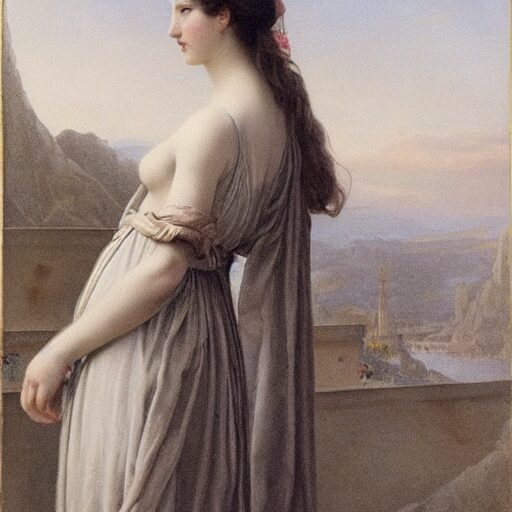
Boulanger’s Influence – The woman who taught the masters of the neoclassical.
Isabelle Boulanger (1838-1899) was a remarkable composer, pianist, and teacher of French and European music.
Boulanger’s music, which spanned five decades, spanned a wide range of genres. She began as a piano prodigy, writing her first musical composition at age three.
Throughout her career, Boulanger created a body of music that ranged from the classical to the neoclassical. Her work encompassed everything from the traditional genres of symphony and chamber music, to the operatic and chamber musical styles.
In 1888, Boulanger became the first woman to be admitted to the prestigious Paris Conservatoire.
Boulanger’s life was marked by tragedy. Her parents died early, and she was left to raise her brothers and sisters.
Despite this, Boulanger managed to compose a large amount of music throughout her life, including 16 symphonies, three operas, and hundreds of other pieces.
Boulanger’s influence as a teacher of composition and piano playing had a long-lasting impact on French and European music.
Boulanger’s compositions are characterized by a classical approach. She favored a more formal, neoclassical style in her works. In the years leading up to her death, she championed the neoclassical movement, and wrote the music for three of Beethoven’s operas.
With such a rich history and repertoire, Boulanger is recognized as one of the most talented composers of the neoclassical period.
Boulanger’s music is characterized by a sense of proportion, balance, and lyrical expressiveness.
Boulanger’s influence on music has been lasting, and her music is still performed and admired today.
By combining a strong academic tone with a clear appreciation of Boulanger’s work, this article provides an insightful look into one of music’s most remarkable artists.
User