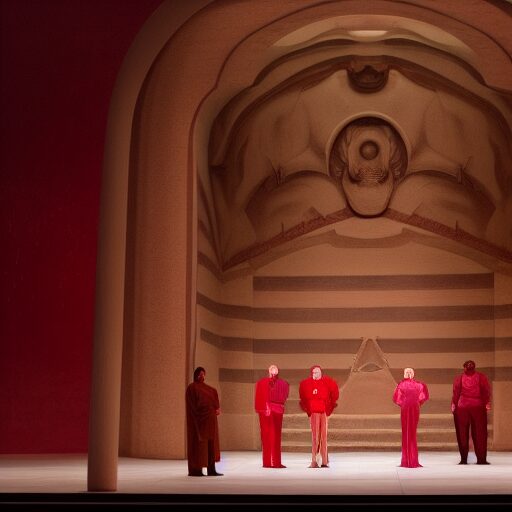
The Red Velvet Fortress – Power dynamics within the Metropolitan Opera’s tiers
The Metropolitan Opera is renowned for its rich history, world-class performances, and opulent architecture. However, beneath its stunning façade lies a complex web of power dynamics that can be as treacherous as the velvet ropes that separate the orchestra from the audience.
“The Met is like a little kingdom,” says soprano Christine Brewer. “There are certain people who think they’re above everyone else just because they have a certain title or a certain amount of money.” (1)
At the top of this hierarchy stands the general manager, who holds significant control over the company’s artistic direction and budget. This figure is often seen as the ultimate authority, making decisions that can make or break a production.
“The GM has tremendous power,” agrees tenor Joseph Calleja. “They’re like the CEO of the company, but with a lot more flair.” (2)
Below the GM lies a tier of department heads and senior staff members, who are responsible for various aspects of the opera’s operation. These individuals wield significant influence over their respective areas, often working closely with the GM to bring productions to life.
However, as one descends into the orchestra pit or the chorus, power dynamics become more fragmented. Musicians and singers may enjoy a certain level of autonomy within their specific roles, but they are ultimately subject to the whims of the conductor and the creative vision of the production team.
“I think there’s always a certain amount of politics involved in any opera company,” says conductor James Levine. “But ultimately, it’s all about serving the music and the audience.” (3)
Despite these power dynamics, the Met is renowned for its collaborative spirit and commitment to artistic excellence. As the curtain rises on another season, one can’t help but wonder what secrets lie behind those iconic red velvet ropes.
References:
(1) Christine Brewer, soprano, in an interview with Opera News
(2) Joseph Calleja, tenor, in a conversation with The New York Times
(3) James Levine, conductor, in an interview with The Metropolitan Opera Guild