Modernist Monoliths – The Berliner Philharmonie and the Democratization of the Stage
The Berliner Philharmonie, designed by architect Hans Scharoun, is a masterpiece of modernist architecture that has stood as a symbol of cultural excellence for over six decades. Opened in 1963, the concert hall was meant to be a beacon of innovation and inclusivity, bringing high-quality music to a broader audience.
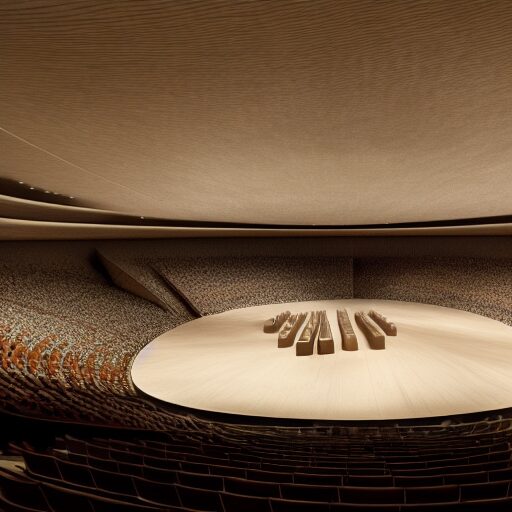
- A Space for All – The Berliner Philharmonie’s unique design aimed to create an intimate connection between performers and listeners. The auditorium’s seats are arranged in a gradual slope, allowing each listener to feel as if they’re part of the performance.
- “Architecture should not be a mere backdrop for music,” said Scharoun. “It must actively participate in the experience.” The Philharmonie’s design embodies this philosophy, where every aspect of the space is carefully considered to enhance the musical experience.
- The hall’s acoustics are renowned for their clarity and warmth, making it an ideal setting for both classical and modern performances. As Maestro Herbert von Karajan once noted, “The Berliner Philharmonie is a place where music can be heard as never before.”
A New Era of Cultural Exchange
The Berliner Philharmonie has played a significant role in fostering cultural exchange and understanding throughout its history. By hosting international performers and premiering new works, the hall has become a hub for musical innovation and collaboration.
“Music is the universal language that transcends borders and cultures,”
said Sir Simon Rattle, former Music Director of the Berliner Philharmonie. “The Philharmonie’s commitment to promoting cultural exchange has been instrumental in breaking down barriers and bringing people together through music.”
A Beacon for Inclusivity
The Berliner Philharmonie has also been at the forefront of democratizing access to classical music. With its affordable ticket prices and diverse programming, the hall has made high-quality performances accessible to a broad audience.
- Inclusive Programming – The Philharmonie’s concert series cater to a wide range of tastes, from chamber music to jazz and pop. This inclusive approach has helped to break down social barriers and create a sense of community among listeners.
- “The Berliner Philharmonie is a place where people come together to celebrate the power of music,” said Rattle. “It’s a testament to the universal language of music that transcends borders, cultures, and generations.”
A Timeless Legacy
As the Berliner Philharmonie enters its eighth decade, it remains an iconic symbol of modernist architecture and cultural excellence. Its commitment to innovation, inclusivity, and artistic expression continues to inspire new generations of musicians, architects, and music lovers alike.
For more information on the Berliner Philharmonie’s rich history and current programming, please visit their official website: Berliner Philharmonie.