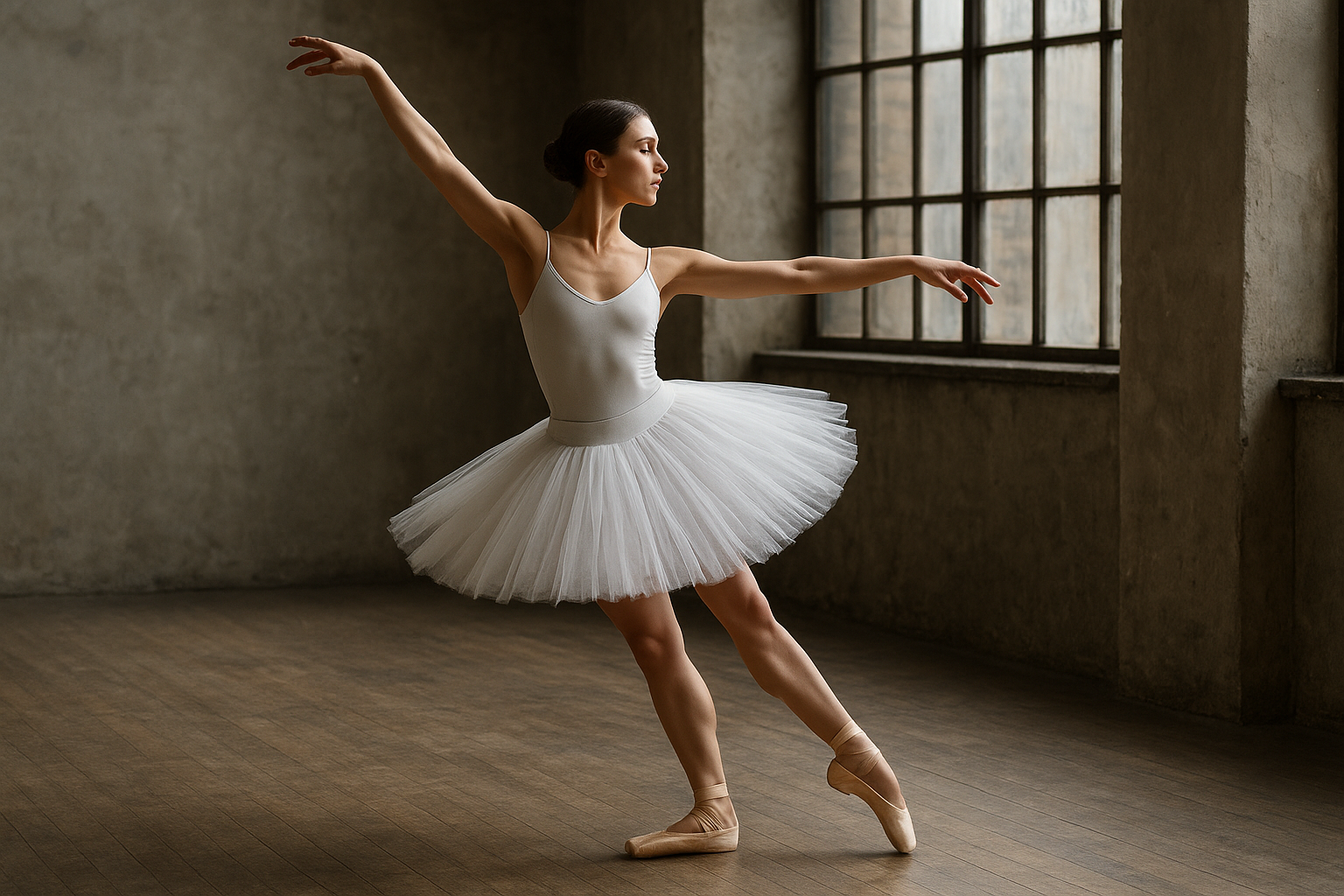
Frozen Motion: Stillness as a Narrative Device
In a world saturated with fast-paced action and endless motion, the concept of stillness can be a powerful narrative device that ignites deep reflection and emotional resonance. Often overlooked, stillness serves not only as a pause in the chaos of a story but as a deliberate tool to enhance depth and meaning.
Exploring the Power of Stillness
Stillness, or the deliberate slowing down of action, invites audiences to engage more deeply with a narrative. As author Haruki Murakami said,
“There’s something about the stillness of certain moments that has greater power than words.” [source]
By halting motion, creators allow viewers to dwell on the significance of a moment, fostering a connection that can be as thrilling as any chase scene. This technique can manifest in various forms:
- Visual Stillness: In film, the use of a lingering shot can provide audiences the space to digest complex emotions or themes. Think of the iconic final scene of Casablanca, where silence and stillness convey more than dialogue ever could.
- Literary Stillness: In literature, passages that pause the action to reflect on a character’s internal world provide readers with insight into motives and conflicts that drive the narrative forward.
- Auditory Stillness: Musicians might use a sudden stop in a song to emphasize the impact of the return of sound, just as John Cage’s 4’33” utilizes silence as a bold musical statement.
The Reflective Pause
Stillness allows room for thematic elements to breathe and develop. As philosopher Blaise Pascal noted,
“All of humanity’s problems stem from man’s inability to sit quietly in a room alone.” [source]
This idea translates into narrative, where stillness can highlight the introspective journey of a character, a concept vividly explored in works like Samuel Beckett’s Waiting for Godot.
In contrast to relentless movement, stillness creates a contrast that can magnify the impact of subsequent actions. The quiet moment before a revelation or decision provides depth and highlights the importance of what follows. Thus, stillness does not signify absence but rather a presence— a strategic aspect of storytelling that enriches the narrative experience.
Conclusion
Frozen motion in storytelling serves not merely as a respite but as a strategic pause, enabling audiences to delve deeper into the narrative’s emotional core. Whether in the pages of a novel, the frames of a film, or the notes of music, stillness holds the power to transform narrative into art, revealing more than action alone ever could.