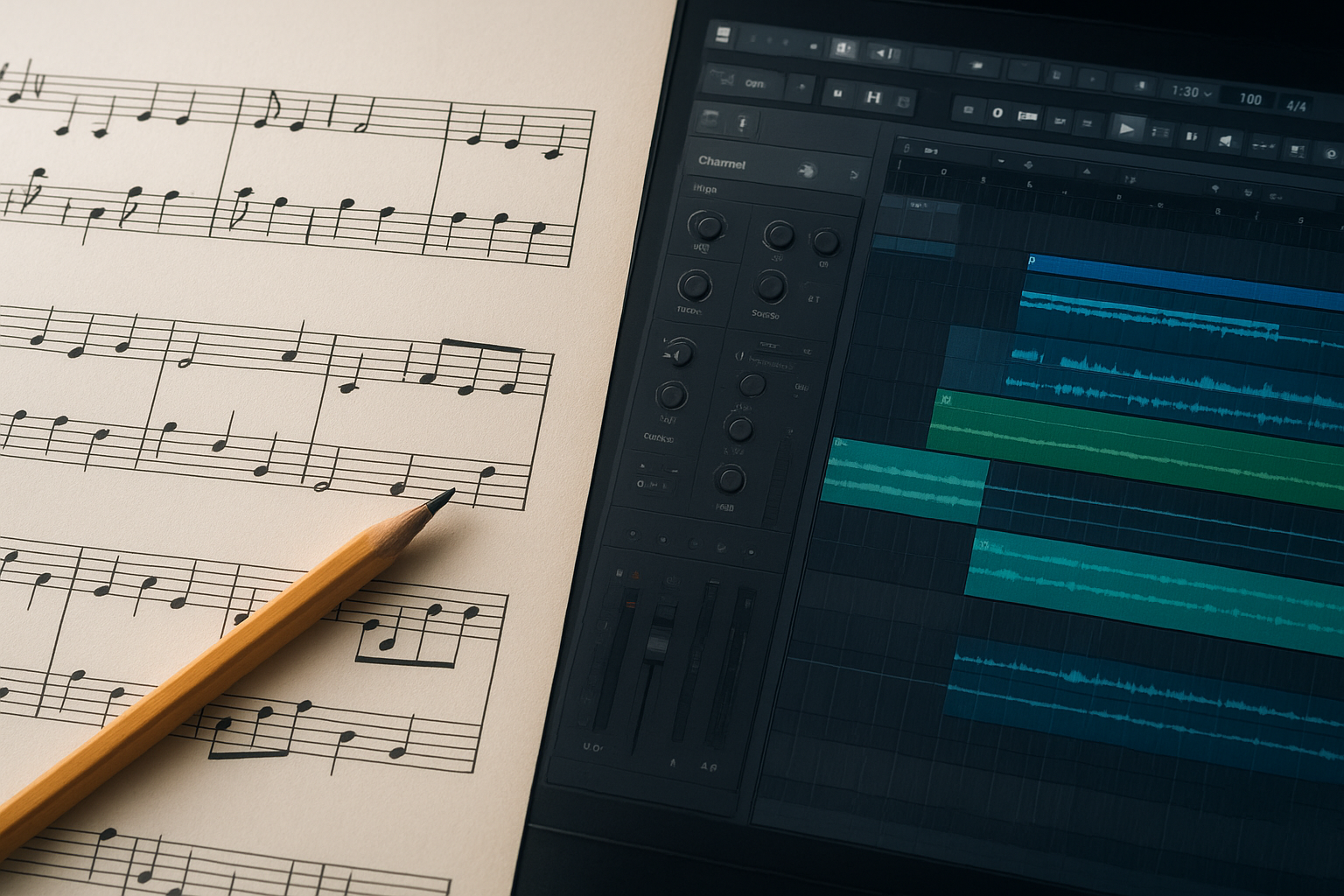
From Sheet Music to DAW: How Tools Shape Neoclassical Form
The evolution of musical tools has always influenced the composition and performance of music, often subtly shaping new genres and styles. The transition from traditional sheet music to digital audio workstations (DAWs) is no exception, profoundly impacting the neoclassical movement. By examining this shift, we can better understand how contemporary composers are redefining classical music.
From Quills to Keyboards
Historically, composers like Mozart and Beethoven relied heavily on sheet music to document their intricate compositions. This manual process of writing music on paper naturally informed the structure and complexity of their works. With the advent of DAWs, composers now have unprecedented flexibility and immediacy in their creative process.
“The medium has become part of the message,” noted music theorist John O’Brien, emphasizing how technology influences musical expression.
The Influence of DAWs on Neoclassical Music
DAWs such as Ableton Live, Logic Pro, and FL Studio provide composers with tools that extend beyond traditional acoustic boundaries. These platforms support complex layering, immediate playback, and integration of electronic elements, which are increasingly intrinsic to the neoclassical genre.
- Layering and Complexity: With DAWs, artists like Ólafur Arnalds and Nils Frahm can create intricate textures by easily layering multiple tracks. This capability allows for more detailed and elaborate compositions.
- Hybridization: The incorporation of synthesizers and electronic beats with classical instruments gives neoclassical music a unique, modern edge while maintaining its roots.
- Experimentation and Accessibility: DAWs make it easier to experiment with new sounds and structures, democratizing music production and enabling more artists to participate in neoclassical innovation.
Composer Max Richter, known for blending minimalist and baroque influences with electronic music, illustrated this point saying, “Computers afford the luxury of immediate realization. They are the ultimate sketchpad” (Pitchfork).
The Future of Neoclassical Music
As technology continues to advance, the definition of neoclassical music will undoubtedly evolve. The use of AI and machine learning in composition is on the rise, offering new possibilities for creativity and expression. Yet, the essence of the genre—a bridge between past and present—remains rooted in its ability to adapt and integrate new tools into its framework.
Ultimately, the journey from sheet music to DAW exemplifies how technological advancements shape artistic expression. Neoclassical music, with its blend of tradition and innovation, stands as a testament to the enduring power of music to evolve with the tools at hand.