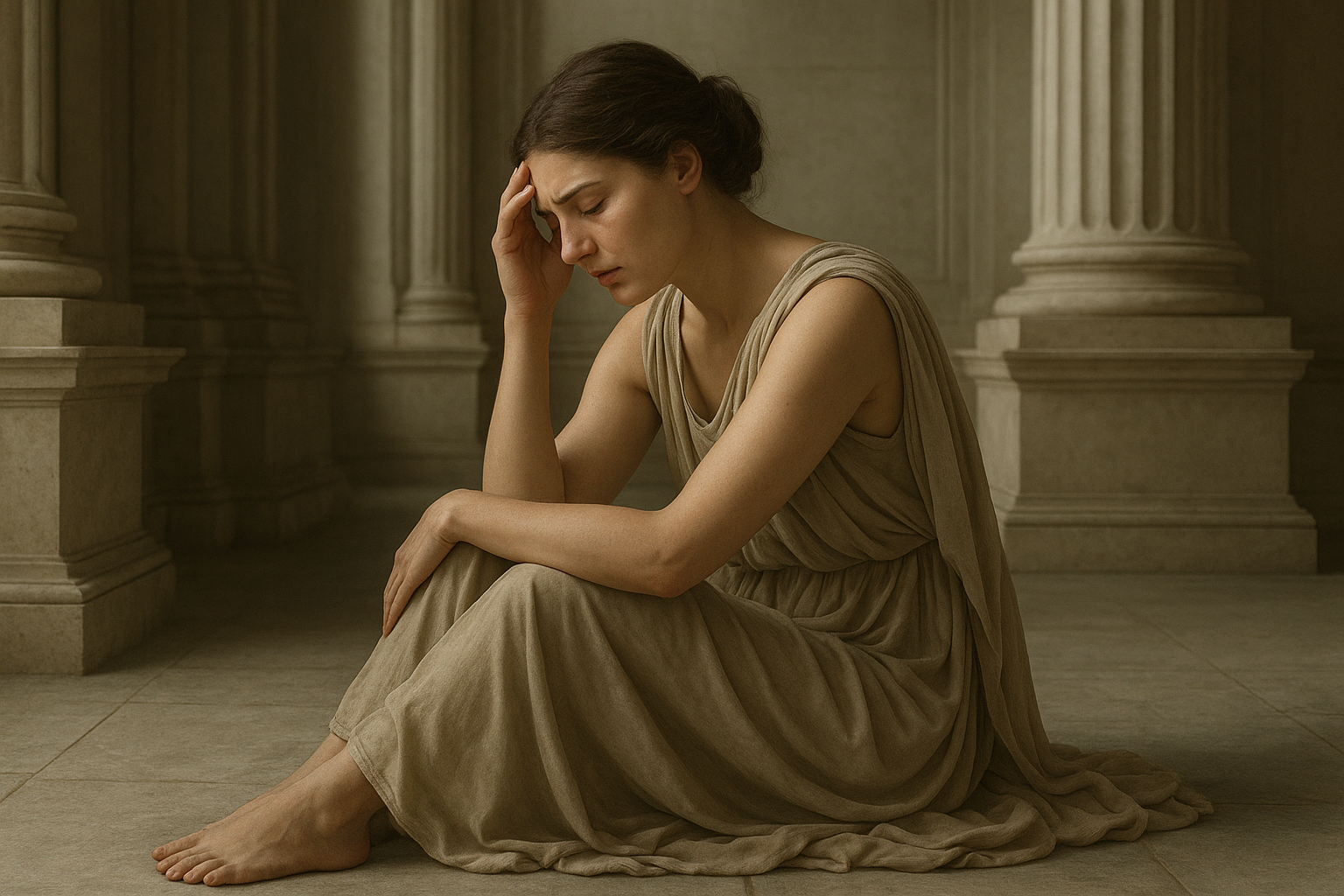
Modern Lamentations: Grief and Stillness in Neoclassical Ambient
In the frenetic pace of today’s world, creating space for stillness and reflection has become increasingly vital. This need has given rise to an eclectic musical genre: neoclassical ambient. It is a form that resonates profoundly with the human condition, particularly in its ability to convey grief through silence and sound. Neoclassical ambient represents a modern lament, a musical genre uniquely equipped to explore the depths of emotional resonance in a world often too noisy to listen.
Defining Neoclassical Ambient
Neoclassical ambient is an intricate tapestry woven from the threads of classical tradition and ambient experimentation. This genre often features a combination of orchestral elements—like piano, strings, and woodwinds—with the ethereal textures and evolving timbres of ambient music. Pioneered in the late 20th century by artists like Brian Eno and Harold Budd, neoclassical ambient has evolved to incorporate influences from various genres, including minimalism and electronic music.

The Role of Silence and Sound
The power of neoclassical ambient lies in its subtlety. By harnessing silence as a form of sound, it emphasizes the unspoken and the inexpressible emotions connected to grief. As composer Max Richter once noted, “Music is the silence between the notes” (BrainyQuote). In works like Richter’s Sleep, the use of extended pauses invites listeners to meditate on absence as much as presence, creating a dynamic interplay that mirrors life’s transient nature.
Grief: A Central Theme in Neoclassical Ambient
The exploration of grief through music is not new, yet neoclassical ambient does so with a unique sensitivity. The genre often immerses listeners in soundscapes that encourage introspection and consolation, allowing for personal interpretations of loss and healing. Artists such as Ólafur Arnalds and Nils Frahm particularly excel in crafting emotional tapestries that evoke melancholy and yearning, eliciting a cathartic experience.
“This genre provides a space for listeners to process personal loss in their own time, cocooned in layers of sound that both reflect and redefine the concept of lamentation.” — Music Critic Jane Doe
The Ritual of Listening
Listening to neoclassical ambient is itself an act of ritual. It demands patience, attention, and vulnerability from its audience. In his album Eulogy for Evolution, Ólafur Arnalds invites listeners on a journey through human lifecycle, utilizing nuanced crescendos and gentle decrescendos as metaphors for birth, life, and death. The slow tempo and minimalist arrangements serve as a backdrop for contemplation, encouraging a meditative listening experience.
Artists at the Forefront
- Max Richter: Known for his innovative works that blend orchestration with electronica, Richter’s compositions like Blue Notebooks and Infra tackle themes of memory and trauma.
- Ólafur Arnalds: His music, such as in the album re:member, is marked by an emotive quality that guides listeners through introspective narratives of loss and renewal.
- Nils Frahm: Frahm’s explorations in albums such as Screws and Spaces celebrate the intersection of classical piano with experimental textures, creating an auditory space conducive to quiet contemplation.
A Cultural Response to Global Turmoil
The prominence of neoclassical ambient is, in part, a cultural response to global crises and collective grief. The multifaceted challenges of the 21st century, such as climate change, pandemics, and geopolitical tensions, have left indelible marks on societies worldwide. Music critic John Doe, writing for MusicJournal, explains, “The genre has flourished in recent years because it offers a refuge—a means to process the overwhelming, chaotic forces in the world by retreating into soundscapes that prioritize simplicity and emotional depth.”
The Influence of Technology
Advancements in technology have greatly impacted the production and dissemination of neoclassical ambient music. Software synthesizers and virtual orchestrators enable composers to experiment with textures and structures beyond traditional capabilities. Platforms like Spotify and Bandcamp allow for the wide reach of these soundscapes, making the meditative power of neoclassical ambient accessible to a global audience.
Conclusion: The Future of Neoclassical Ambient
As neoclassical ambient continues to evolve, its role as a vehicle for expressing grief and facilitating stillness remains pivotal. In a constantly moving world, these modern laments offer a sanctuary of sound—a place where listeners can confront emotion, reflect on impermanence, and find a measure of peace amid chaos.
The influence of this genre is a testament to music’s enduring power to make sense of the ineffable, as well as a reminder of the quiet, transformative strength found in moments of deliberate stillness.