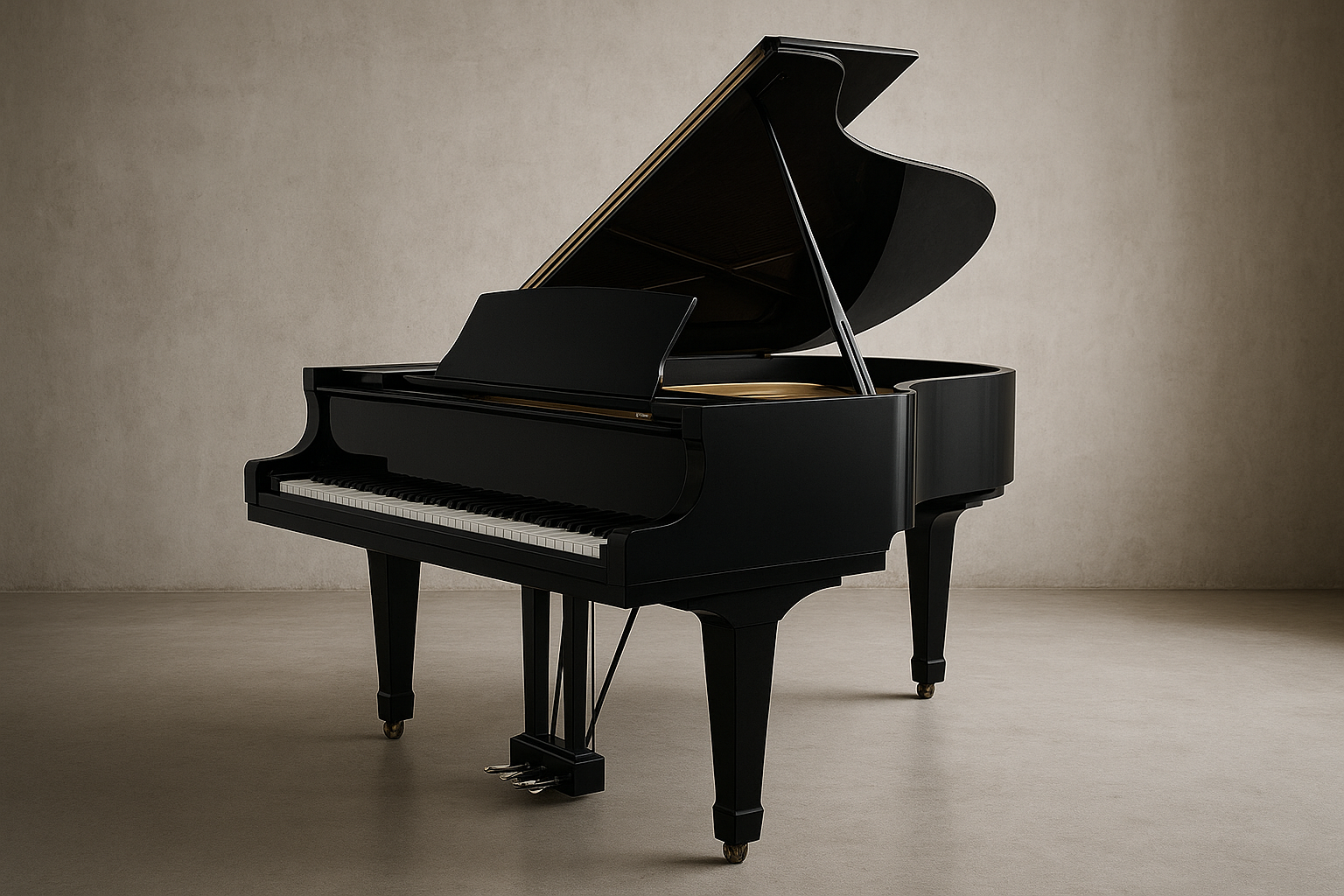
The Piano After Modernity: Reinventing a Classical Icon
The piano, a mainstay of classical music and a symbol of cultural sophistication, has undergone significant transformations over the centuries. As music blends with technology in the post-modern era, the piano continues to evolve, shaping and being shaped by the sounds of the future. This article explores how the piano has been reinvented in the age of modernity and beyond.
The Classical Foundations
The piano originated in the early 1700s with the invention by Bartolomeo Cristofori, an Italian instrument maker. It rapidly became a centerpiece in Western classical music. By the 19th century, composers like Beethoven and Chopin had written extensively for the instrument, exploiting its dynamic range and expressive potential.
The piano’s role during this era can hardly be overstated. As renowned pianist Arthur Rubinstein once said, “The piano is the easiest instrument to play in the beginning, and the hardest to master in the end.” This duality made it both accessible and challenging, prolific in salons, concert halls, and homes across the world.
Breaking Barriers in the 20th Century
With the advent of modernity, the piano began to break free from the strictures of classical music traditions. The 20th century saw artists like John Cage push boundaries further. His piece 4’33” emphasizes silence as music, challenging conventional perceptions of sound and the role of the piano. Cage believed,
“Everything we do is music.”
- Prepared Piano: Cage also pioneered the concept of the prepared piano, in which objects are placed on or between the strings, altering its sound. This innovation opened the piano to a universe of possible timbres.
- Jazz Influence: The jazz era extensively influenced the piano’s evolution. Pianists like Thelonious Monk and Art Tatum expanded the harmonic and rhythmic possibilities of the instrument, blending classical structures with improvisational flair.
Technological Transformations
In the contemporary era, technology continues to revolutionize the piano’s role. The emergence of digital pianos and synthesizers marks another significant chapter in this instrument’s evolution. Digital pianos replicate the acoustic piano experience while providing additional functionalities like volume control and connectivity to computer systems.
- Hybrid Pianos: Marrying the acoustic and digital worlds, hybrid pianos like the Yamaha AvantGrand series combine traditional craftsmanship with advanced sound modeling technologies.
- Software and Apps: Applications such as Piano Marvel and Synthesia provide interactive platforms for learning and composing, making the instrument accessible to a broader audience.
Manufacturers are continually innovating, experimenting with materials and design to improve sound quality and sustainability. For instance, carbon fiber has been introduced to make instruments lighter and more durable without compromising tonal quality.
The Cultural Shift
As the world becomes more interconnected, the piano’s significance in diverse cultures continues to grow. In places like China, the piano has become a symbol of cultural aspiration and achievement, with millions of children learning to play each year. According to South China Morning Post, China is now home to the world’s largest number of piano students.
The music produced also reflects a more globalized sound. Composers and performers draw from various genres, including electronic, world music, and popular styles, blending them with traditional piano techniques.
Future Directions: Towards a Post-Modern Piano
The piano’s journey is far from over. As artificial intelligence (AI) and machine learning become increasingly integrated into musical composition, new possibilities emerge. AI can help analyze vast musical datasets to create compositions that range from classical to avant-garde, pushing the bounds of creativity.
There is growing interest in how AI can collaborate with human composers. Notable projects by companies like Amper Music and OpenAI’s MuseNet explore these synergies, raising questions about artistry and creativity in music.
Furthermore, the rise of immersive technologies like virtual and augmented reality could redefine the piano playing experience, offering interactive and multi-sensory performances that transcend the physical limitations of traditional concerts.
Conclusion
The piano, although rooted in classical traditions, continues to adapt and thrive in the modern world. By embracing technological advancements and cultural shifts, it remains a versatile and powerful icon in music. As we look to the future, the piano will undoubtedly keep redefining itself, inspiring generations to come with its timeless appeal and boundless possibilities.
In the words of jazz icon Herbie Hancock,
“The spirit of jazz is the spirit of openness.”
This openness, it seems, is what will continue to keep the piano at the heart of musical innovation and expression.