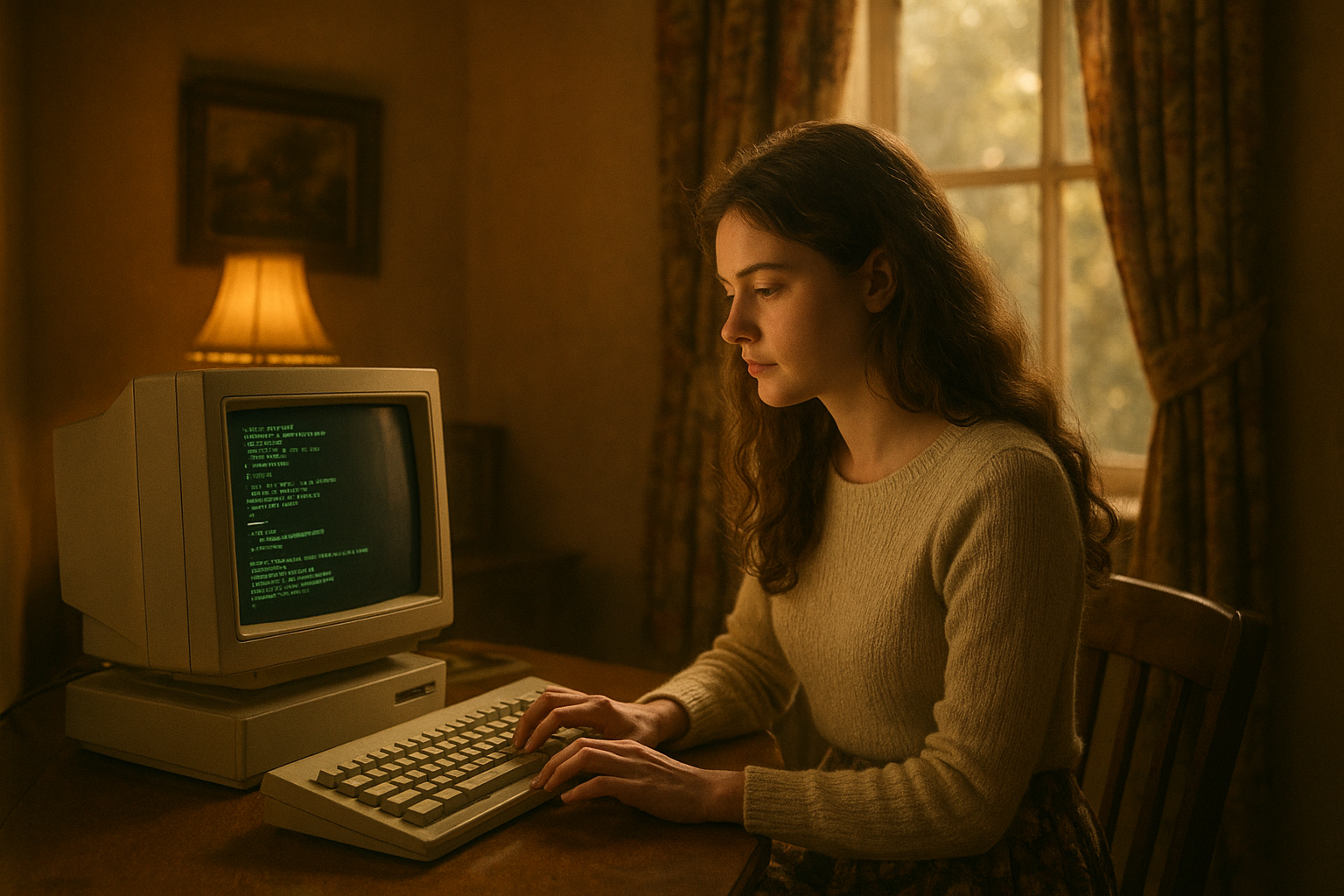
Neo-Romantic Algorithms: Can Code Feel Nostalgic?
The interplay between nostalgia and technology has historically been a complex one, steeped in an evolving relationship that sees technology as both a vessel and a creator of nostalgic experiences. Now, as we delve deeper into the era of artificial intelligence, an intriguing idea emerges: Can algorithms themselves harbor a sense of nostalgia? This notion of “Neo-Romantic Algorithms” explores the potential of code to evoke or embody nostalgic qualities.
Understanding Nostalgia
Nostalgia is often considered a sentimental longing for the past. In a world driven by rapid technological progress, this emotion appears more potent than ever. As Boym aptly describes in her seminal work, The Future of Nostalgia, “Nostalgia…is a longing for a home that no longer exists or has never existed.” This complex emotion has the power to bridge time, connecting memories with current experiences.
The Algorithmic Ability to Evoke Nostalgia
Technology can conjure nostalgia through various means, chief among them being the recreation of past experiences or the simulation of environments rich with personal resonance. Algorithms today are more than just cold, calculating machines; they are evolving into creators of experiences. Through data analysis and user feedback, they can piece together elements that resonate deeply with human experiences of the past.
- Recreation of Experiences: Virtual reality (VR) and augmented reality (AR) technologies recreate historical settings and events with astonishing accuracy. This not only educates but deeply immerses users, connecting them emotionally to bygone eras.
- Simulated Environments: AI-driven platforms can simulate the sounds, visuals, and even the tactile sensations of a different time. With the right parameters, they can transport someone back to their childhood or a moment of historical significance.
Artificial Creativity and Nostalgia
The emergence of AI systems skilled in creative endeavors is another step towards algorithms that feel nostalgic. Systems like OpenAI’s GPT-3 have demonstrated the ability to craft text reminiscent of past literature, while AI in music can generate compositions that mimic the style of bygone eras.
- Painting with Pixels: Algorithms crafted for art generation are adept at creating works that evoke classic styles and methods. These creations are not just mechanical reproductions but can actually carry the essence of what made the originals moving and impactful.
- Musical Time Machines: AI can analyze musical styles from specific periods, allowing software to generate pieces that echo the past. This technological capability to recreate sonic experiences positions music-generation algorithms as powerful conduits of nostalgia.
Can Code Itself Become Nostalgic?
While machines themselves technically do not “feel” nostalgia, they are undeniably shaped by it through their programming and usage. The intentional design of algorithms to revisit older styles, languages, and data sets is, in itself, a form of technological nostalgia—a modern neo-Romanticism where the past is given new life in digital landscapes.
“The charm of simple yet effective programming is reminiscent of poetry,” remarks Jane Harvard, a prominent computer scientist. “Much like poets harking back to the greats, programmers today turn to the elegance of early code design for inspiration.”
In creating these systems, developers themselves are often driven by their own nostalgia, seeking to preserve or reimagine elements from their formative engagements with technology.
The Implications of Neo-Romantic Algorithms
The rise of algorithms that embody or evoke nostalgia carries significant implications across various fields:
- Cultural Preservation: These technologies provide powerful tools for preserving cultural heritage, offering new ways to experience and remember history.
- Marketing and Consumer Engagement: Nostalgic appeal is a potent marketing strategy. Algorithms tailored to induce nostalgia could deeply enhance consumer engagement by resonating with their emotional histories.
- Cognitive Emotional Therapy: Leveraging nostalgia therapeutically could lead to innovations in emotional health treatment through controlled digital environments that offer comfort and recall positive experiences.
The Future of Nostalgic Algorithms
As AI continues to evolve, its capacity to both evoke and inspire nostalgia will likely expand, leading to richer, more profound user experiences. Whether these developments will merely simulate nostalgia or create something genuinely new and emotional is an open question—one that touches upon the core of what algorithms can achieve as emotional extensions of human creativity.
“We’re on the cusp of creating machines that might understand sentimentality,” notes Thomas Nguyen, a leading futurist and AI researcher. “Their understanding may not be emotional in the human sense, but rather procedural, enabling them to evoke human emotions with ever-greater fidelity.”
The essence of “Neo-Romantic Algorithms” lies in bridging these emotional chasms, crafting tools and experiences that resonate on deeply personal levels, and perhaps even bestowing code with the sincere ability to connect with the nostalgic yearnings of the human heart.