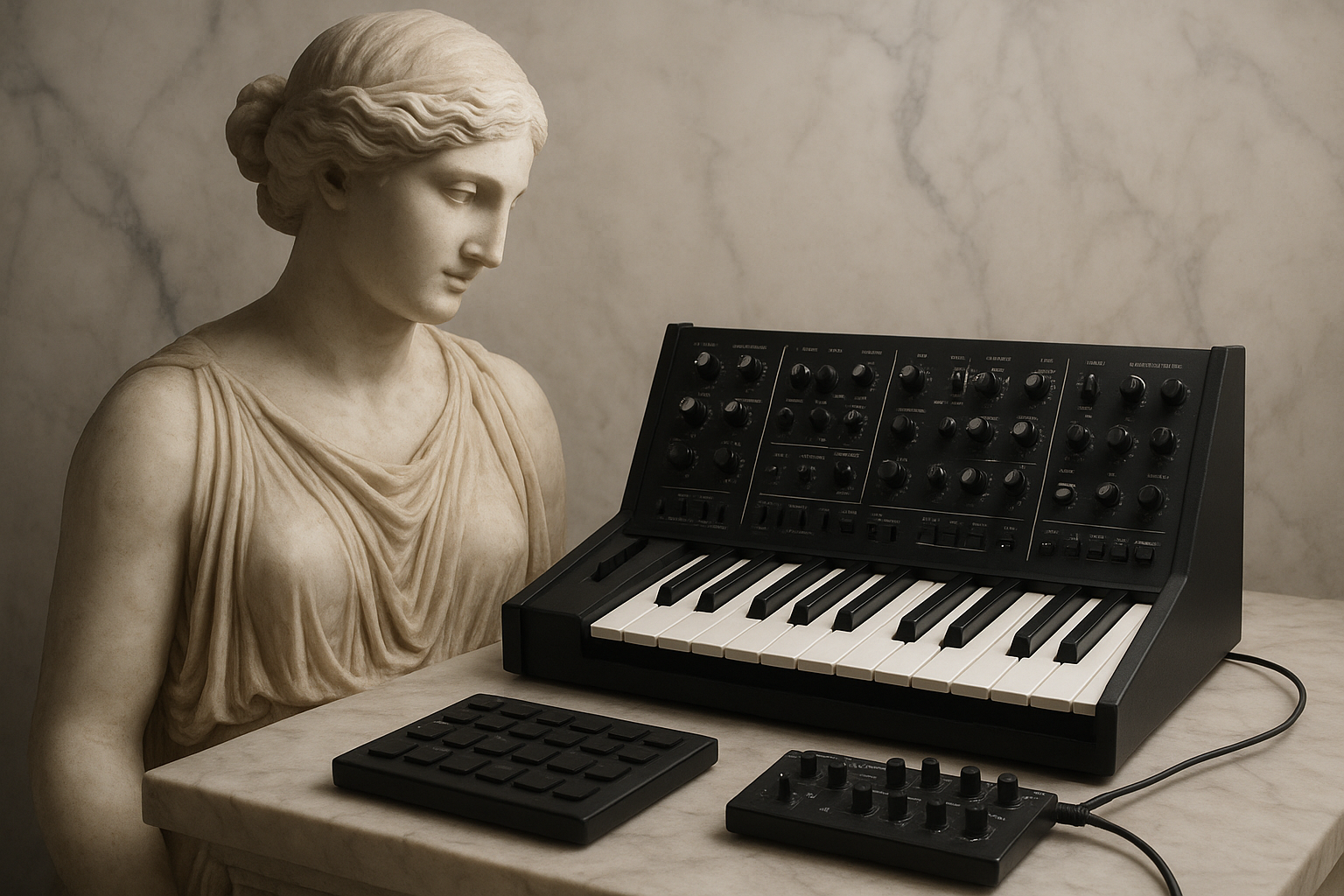
Echoes in Marble: How Neoclassical Electronic Music Reimagines Ancient Forms
Neoclassical electronic music, a genre that has gained momentum over the past decade, offers a fascinating intersection where the ancient meets the modern. This genre reimagines classical compositions through electronic soundscapes, creating an enchanting tapestry that resonates with echoes of the past while embracing the innovations of the present. By marrying the structured elegance of classical music with the infinite possibilities of electronic production, artists are forging a new musical frontier.
The Foundations of Neoclassical Beauty
Neoclassical music, characterized by its return to the forms and ideals of classical antiquity, is known for its clarity, balance, and formal structure. This revival of classical principles began in the mid-18th century and continued into the early 19th century, influencing not only music but also the arts and architecture. Composers like Igor Stravinsky and Paul Hindemith spearheaded this movement, drawing on the rich legacy left by their predecessors.
Today, as technology becomes increasingly advanced, electronic music serves as a fitting counterpart to these age-old ideals. Through innovative techniques, artists can now manipulate, layer, and reinvent sounds that were once constrained by the physical limitations of traditional instruments.
Bridging Worlds: Key Artists and Techniques
This genre thrives on cultural and historical synthesis. Notable artists such as Max Richter, Ólafur Arnalds, and Nils Frahm have become torchbearers of this musical renaissance, blending orchestral elements with the deep, immersive sounds of modern technology.
- Max Richter: Known for his meticulously crafted compositions, Richter employs electronic elements subtly, enhancing rather than overshadowing the classical roots. His album “Sleep” is a prime example, merging minimalist piano and strings with delicate electronic undercurrents.
- Ólafur Arnalds: With a background in classical composition, Arnalds combines strings and piano with electronic tracks, creating evocative pieces that feel both timeless and cutting-edge. His works often incorporate live looping and intricate sound design.
- Nils Frahm: Embracing the potential of synthesizers and electric pianos, Frahm’s music is a blend of improvisation and precision. His live performances are renowned for a dynamic interplay between electronic and acoustic sounds.
The Art of Reimagination
“Music is the shorthand of emotion.” — Leo Tolstoy
This sentiment captures the essence of neoclassical electronic music. By reimagining ancient forms, artists in this genre are not merely paying homage to the past but are actively participating in a dialogue across centuries. The interplay between tradition and innovation creates compositions that are emotionally resonant, reflecting the transcendent power of music.
The technical innovations of electronic music offer myriad ways to reinterpret classical forms. Artists manipulate sounds through digital processing, creating textures and rhythms that were previously unimaginable. This approach not only breathes new life into classical compositions but also expands the emotional and auditory range of the music.
Impact and Influence
The influence of neoclassical electronic music extends beyond mere auditory experiences. It has found a significant place in contemporary media, from film soundtracks to installations and performance art. Movies such as The Arrival and The Leftovers have used these soundscapes to underscore their narratives, enhancing the emotional impact of the visuals.
Furthermore, this genre has influenced how we engage with music today. In a world of digital streaming, playlists, and on-demand content, the contemplative nature of neoclassical electronic music offers a counterpoint to the fast-paced consumption of the digital age. It invites listeners to pause and reflect, to engage with music more deeply, and to rediscover the beauty in simplicity and complexity alike.
Conclusion
The rise of neoclassical electronic music represents a powerful contemporary cultural movement. By intertwining the ancient with the modern, artists are not just revisiting the past—they are reimagining it through the lens of today’s technologies. The result is a genre that is as innovative as it is timeless, offering an aural canvas upon which the echoes of marble can continue to be painted anew.
As listeners, we are invited to explore this harmonious fusion, where the ghosts of classical antiquity dance alongside the digital beats of the present, creating an eternal soundscape that resonates within us all.