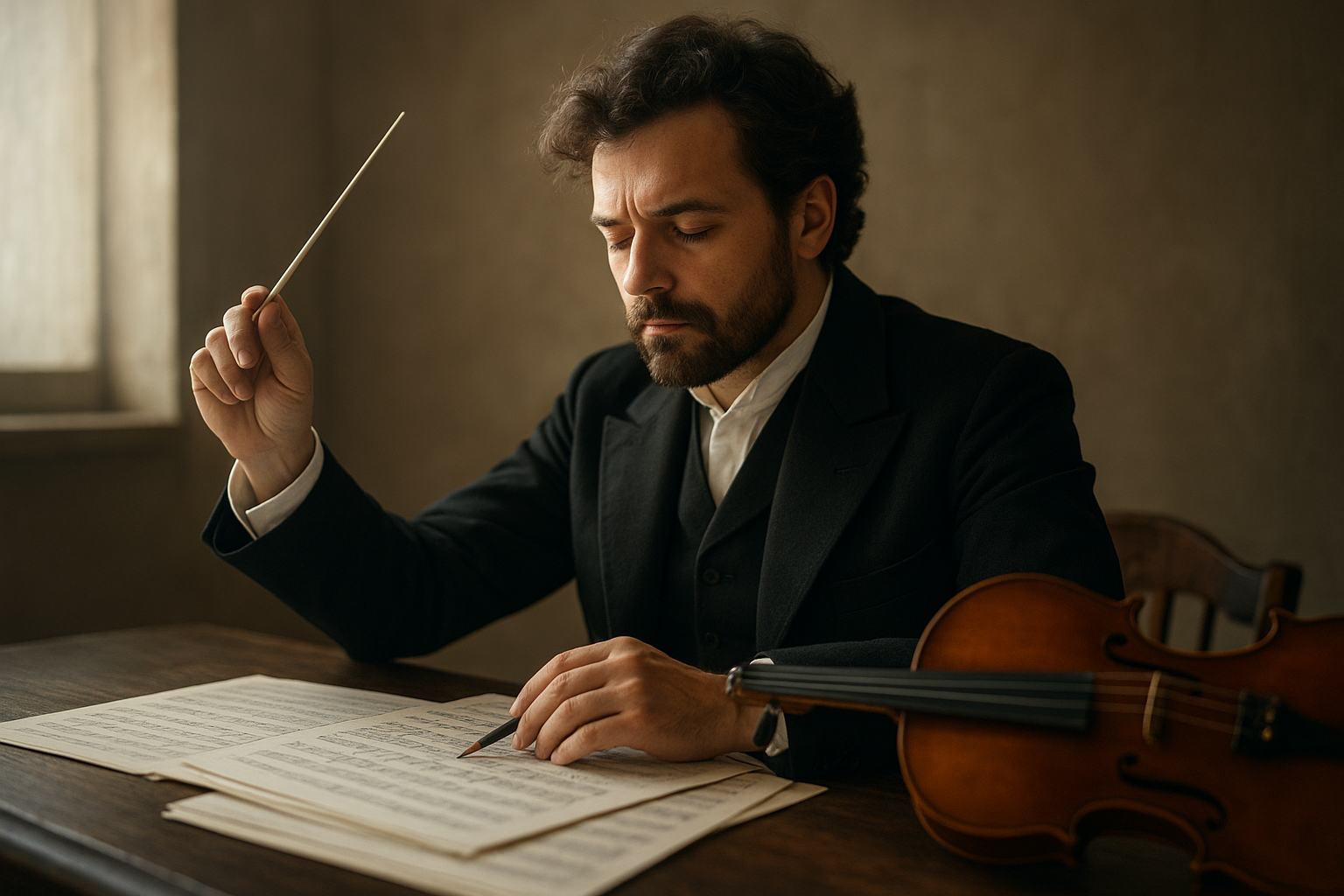
Classical music has long been regarded as a bridge to transcendental experiences, capable of elevating both the composer and the listener beyond the confines of the individual self. This profound art form not only resonates with the intricate workings of the human spirit but also serves as a conduit to the universal truths that bind us all.
“Music is well said to be the speech of angels.” – Thomas Carlyle
The Compositional Journey
For composers, the act of creating classical music can be akin to a spiritual journey. The meticulous blending of harmony, melody, and rhythm offers a means to express complex emotions and ideas that words often fail to capture. As Franz Schubert once remarked, “When I wished to sing of love, it turned to sorrow. And when I wished to sing of sorrow, it turned to love.”
This paradoxical nature of composition allows musicians to transcend their personal experiences, tapping into a more profound understanding of human existence. Through this process, they can access a state of flow, described by psychologist Mihaly Csikszentmihalyi as an “optimal state of consciousness where one feels and performs at their best.”
The Listener’s Experience
Listeners, too, can find themselves transported to a realm beyond the everyday through classical music. The emotional depth and technical complexity of compositions by Beethoven, Bach, and Mozart, to name a few, inspire listeners to reflect on the eternal questions of life.
- Mozart’s Requiem: A powerful reminder of mortality and the hope for peace beyond life.
- Beethoven’s Symphony No. 9: A celebration of human resilience and unity.
- Bach’s Goldberg Variations: A meditation on the complexity and beauty of existence.
Immersed in these works, listeners find themselves part of something greater, experiencing a profound sense of connection and continuity with the past, present, and future. As Leonard Bernstein eloquently put it, “This will be our reply to violence: to make music more intensely, more beautifully, more devotedly than ever before.”
Conclusion
In the ever-transforming landscape of human experience, classical music stands as both a sanctuary and a beacon. Whether through the act of composition or the deep listening experience, it speaks a language beyond words, offering a path to transcendence that enriches, unites, and heals the soul.