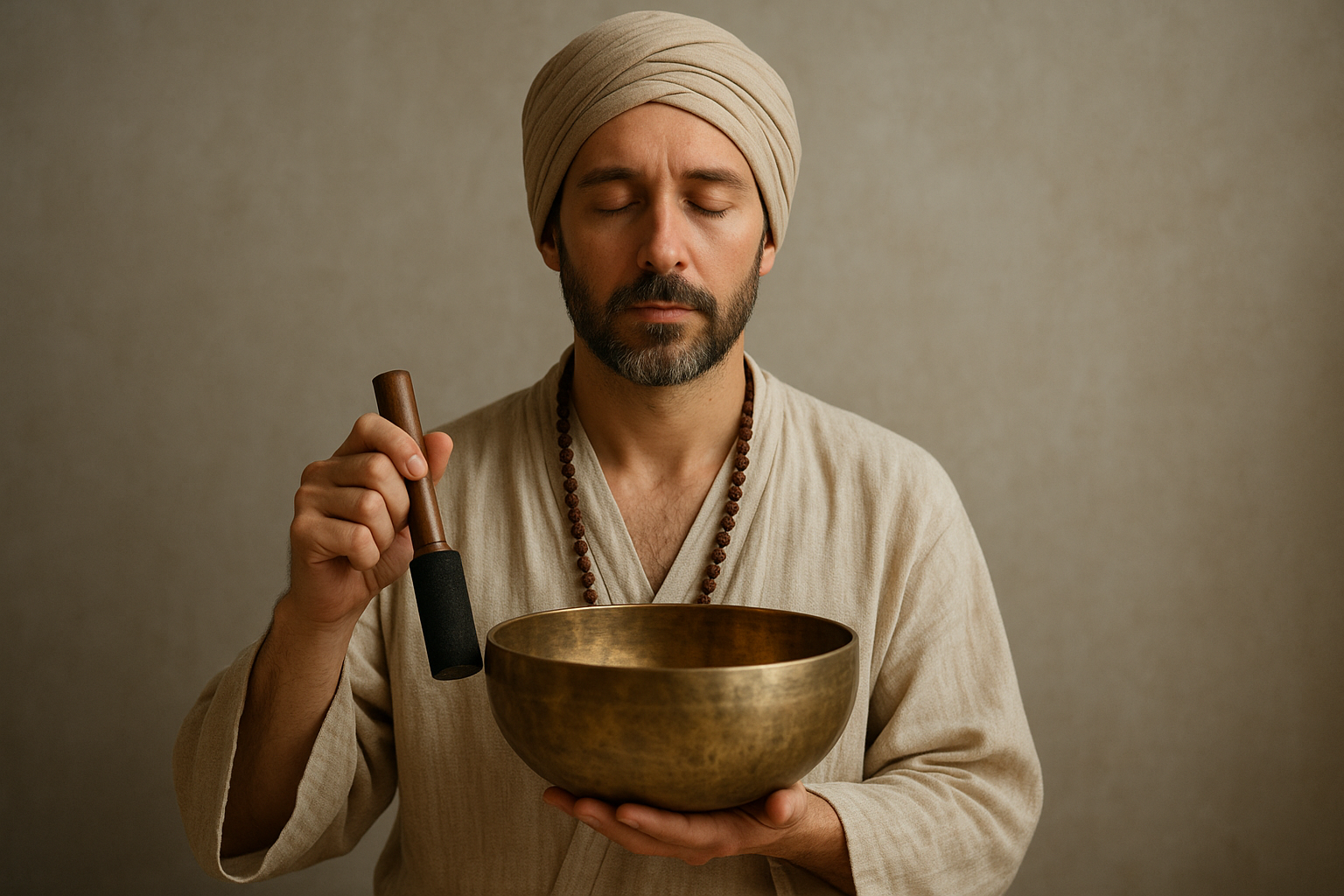
In an era where music is often commodified and categorized into rigid genres, a new breed of musicians is emerging—modern classical mystics who are pushing boundaries and seeking spiritual transcendence through sound. Blending ancient techniques with contemporary sensibilities, these artists create a bridge between the past and the present, offering listeners a chance to escape the mundane and connect with something greater.
The Roots of Mysticism in Music
Historically, music has been a conduit for spiritual exploration and expression across various cultures. From the sacred chants of Gregorian monks to the intricate raga performances in Indian classical music, sound has long been considered a pathway to the divine.
“Music is one of the purest forms of expression and can connect us to the depths of our being. It transcends language and brings us into a space of unity and peace,” writes John Stuart Reid, an acoustic scientist, for HuffPost.
Modern Interpretations of Sonic Mysticism
Today’s mystics may not wear robes or reside in monasteries, but their quest for transcendence through music is no less profound. These composers and performers blend elements of classical music with modern technology, creating immersive soundscapes that invite introspection and meditation. Some of the key figures in this movement include:
- Max Richter: Known for his minimalist compositions, Richter’s works such as “Sleep” invite listeners into a serene, dream-like state. By utilizing ambient electronics alongside traditional orchestral instruments, Richter achieves a sound that is both timeless and deeply moving.
- Ólafur Arnalds: This Icelandic composer merges strings and piano with electronic loops, creating ethereal compositions that often serve as soundtracks for films and television. Arnalds’ music resonates with an emotional depth that encourages reflection and peace.
- Arvo Pärt: Pärt’s use of the tintinnabuli technique—a compositional style that focuses on simplicity and silence—has made his music central to the modern mystic oeuvre. Works like “Spiegel im Spiegel” are celebrated for their divine tranquility.
The Role of Technology
Technology plays a critical role in the creation and distribution of modern classical mysticism. Artists utilize digital tools not only in the composition process but also in live performances. Virtual reality concerts and immersive sound installations are just a few ways technology enhances the listener experience, turning music into a multi-sensory journey.
Amy Cimini, a musicologist, argues in Pitchfork that, “Modern classical musicians are reimagining how they reach audiences by integrating VR and interactive media, allowing people to engage with music in revolutionary ways.”
The Impact on Listeners
The impact of this music extends beyond mere entertainment—it has therapeutic benefits too. Studies suggest that listening to music rich in harmonic overtones can lower stress levels, improve mood, and promote overall well-being. In fact, some consider this music to be a form of sonic healing.
According to a 2021 study published in The Journal of Music Therapy, exposing individuals to specifically designed musical compositions significantly reduced anxiety and improved psychological health. These findings underscore the power of music as a healing force in a fast-paced world.
The Future of Sonic Mysticism
As the interest in non-traditional and spiritually inclined music continues to grow, the future looks bright for modern classical mystics. They are expanding their reach through global collaborations and cross-genre experiments, bringing together diverse musical traditions in a harmonious fusion.
“The boundaries between genres are blurring, and the future of classical music lies in its ability to absorb and transform influences from across the globe,” writes music critic Anthony Tommasini in The New York Times.
By continuing to innovate and explore, modern classical mystics not only honor ancient traditions but also pave the way for future generations to find their own forms of sonic transcendence.