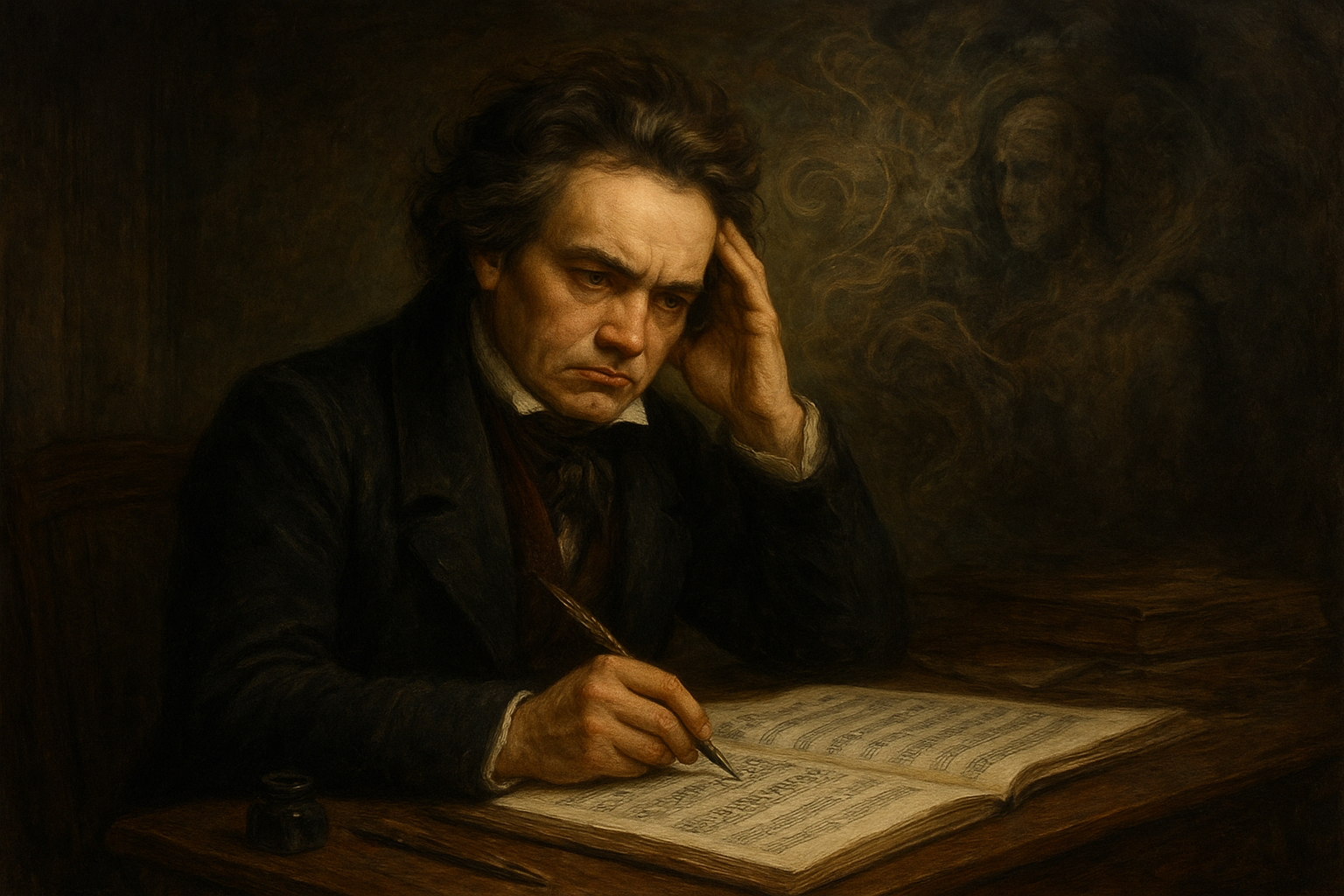
Composers of the Inner World: Psychological Symbolism in Classical Music
Classical music, with its rich tapestries of sound and emotion, acts as a powerful conduit for expressing the complexities of the human psyche. The psychological symbolism embedded within compositions can reveal the innermost thoughts and feelings of the composers who craft these timeless pieces.
The Inner Lives of Composers
From the haunting melodies of Beethoven to the dreamlike themes of Debussy, classical music serves as an exploration of the subconscious. These composers, who often lived tumultuous or deeply introspective lives, infused their music with a distinct psychological symbolism that resonates with listeners even today.
“Music is the shorthand of emotion.” — Leo Tolstoy
This quote underscores the notion that music can communicate what words cannot. The layers of sound in a composition reveal not only the personality of its creator but also the cultural and historical contexts influencing their inner worlds.
Beethoven: Struggles and Triumphs
Ludwig van Beethoven, one of the most influential composers of the Western classical tradition, exemplifies the fusion of personal struggle with musical innovation. Despite his increasing deafness, Beethoven’s works progressed into the profound psychological depths, offering a glimpse into themes of triumph over adversity.
- Symphony No. 5: Often associated with fate knocking at the door, this symphony channels Beethoven’s frustrations and eventual acceptance of his physical limitations.
- Moonlight Sonata: This piece encapsulates a deep, melancholic reflection on solitude and longing.
Each of these masterpieces carries with it a distinct emotional and psychological narrative, creating a timeless connection with audiences across generations.
Debussy: Dreams and Realities
Claude Debussy, often considered the father of musical Impressionism, sought to evoke emotion and mood through blurred harmonies and innovative structures. His compositions are notable for their exploration of dreams and inner thoughts, serving as a soundtrack to the complexities of the subconscious mind.
- Clair de Lune: This piece is a journey through serene landscapes of the mind, capturing the essence of introspective reflection.
- Prelude to the Afternoon of a Faun: Based on a poem by Stéphane Mallarmé, it elegantly mirrors the dream and desire dichotomy intrinsic to the human experience.
Debussy’s works are often described as “the music of dreams,” delicately balancing between reality and the ethereal beauty of the imagination.
Symbolism Through Sound
Composers utilize symbolism in their music through various techniques:
- Motifs: Recurring musical ideas represent characters, emotions, or concepts. Richard Wagner’s use of leitmotifs in his operas allowed him to paint complex psychological portraits of his characters, embedding narrative symbolism in every note.
- Tonality: The choice of key can symbolize different emotional states. For instance, the key of C minor in Beethoven’s works is frequently associated with a sense of tragedy and introspection.
- Dynamics and Tempo: Varying the speed and volume can reflect emotional highs and lows, manipulating the listener’s psychological response to the music.
These elements enable composers to craft soundscapes that resonate deeply with the listeners, engaging both the intellect and the heart.
The Universal Language
In conclusion, classical music, through its intricate psychological symbolism, transcends linguistic and cultural barriers. It speaks to the universal truths of the human condition—joy, sorrow, triumph, and despair—drawing listeners into a dialogue with their own emotions and experiences.
“Music expresses that which cannot be put into words and that which cannot remain silent.” — Victor Hugo
Through the works of composers such as Beethoven and Debussy, the inner world of the human mind finds a voice that is both profoundly personal and universally understood. As we listen to these compositions, we embark on a journey into the depths of psychological introspection, guided by the timeless language of music.
For more insights into the world of classical music and its composers, visit Classical Music.