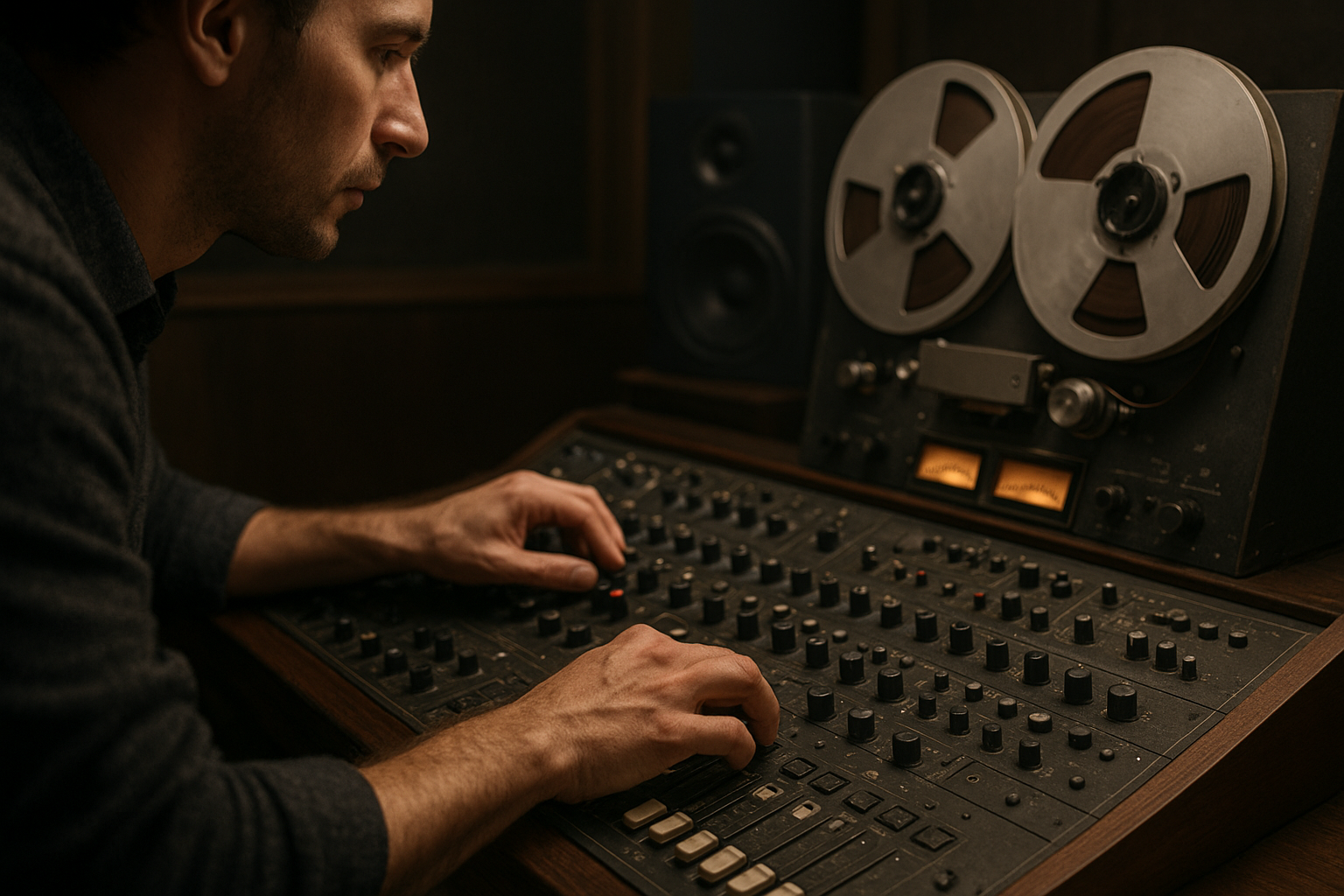
In the world of film, sound design plays a crucial role in shaping the viewer’s experience. While technology continues to evolve rapidly, many filmmakers are finding value in classical sound design techniques from the golden age of cinema to enhance their modern creations. This fusion of old and new brings a unique depth and authenticity to digital media.
The Roots of Classical Sound Design
Classical sound design refers to the techniques and approaches used in the early to mid-20th century, a transformative period for the film industry. Sound designers of this era, often working with limited technology, developed innovative ways to create immersive audio experiences for audiences.
- Foley Art: Named after Jack Foley, this technique involves recreating everyday sound effects in sync with the film. These could range from footsteps to the rustling of clothing. Remarkably, this art is as relevant today as during its inception.
-
Field Recording: Before the digital age, recording on location was paramount to capturing authentic sounds. Legendary sound designers like Walter Murch emphasized the importance of these authentic recordings. Murch noted,
“Real sounds shape the film’s atmosphere in indelible ways.”
- Sound Editing and Mixing: The meticulous editing and mixing of sounds ensured that each scene delivered the desired impact. Using basic tools, editors like Bernard Herrmann and Ben Burtt demonstrated that thoughtful execution mattered more than technological prowess.
Relevance of Classical Techniques in Modern Media
Despite the availability of advanced digital tools, many elements of classical sound design remain relevant. The authenticity these techniques bring cannot be easily replicated just with technology. Here’s why filmmakers are reviving these practices:
“Incorporating classical techniques gives films a sense of authenticity that purely digital sounds often lack. It brings the movie closer to human reality,” explains Randy Thom, a veteran sound designer.
- Timeless Authenticity: Classical methods offer a rawness and honesty that digital manipulation sometimes misses. Using real-world sounds connects the viewer deeply with the on-screen action.
- Creative Limitations: Working within limits often spurs creativity. With less reliance on computer-generated effects, sound designers push the boundaries of what can be achieved with practical sounds.
- Handcrafted Precision: These techniques require a tangible engagement with the material. The physical act of creating sound effects can deliver nuanced soundscapes that resonate with audiences.
Integrating Old Techniques with New Technology
While classical techniques provide valuable foundations, the integration with contemporary technology can enhance storytelling further:
- Digital Augmentation of Analog Sounds: Combining field recordings with digital tools can enhance soundscapes. For example, digitally filtering a classic Foley sound can align it with the futuristic aesthetics of a sci-fi setting.
- 3D Sound Technology: Advanced surround sound systems benefit significantly from original recording techniques. Utilizing stereo and binaural recordings within a multi-dimensional framework can immerse viewers like never before.
- Archiving and Accessibility: Digitizing original analog recordings makes them accessible to new generations of sound designers, offering them a library of authentic sounds to incorporate into modern productions.
Case Studies of Classical Techniques in Modern Films
Several contemporary films have successfully integrated classical sound techniques into their production:
- Dunkirk: Christopher Nolan’s war epic employed practical sound effects extensively. Sound designer Richard King used analog recordings to capture the visceral realities of war.
- Mad Max: Fury Road: Mark Mangini and his team collected real engines, deserts, and storm sounds to construct a brutal and vivid soundscape that matched the film’s intense visuals.
- Star Wars: The Force Awakens: This film carried on Ben Burtt’s legacy, updating iconic sounds with mixed techniques to create an experience that was both nostalgic and fresh.
The Future of Sound Design
As cinema continues to evolve, the role of sound design will remain pivotal. Past techniques, when woven with modern tools, create rich audio-visual tapestries that elevate storytelling. In the words of Walter Murch, “Sound is not simply a mechanical reproduction of the world, but a construction meant to elicit an emotional, physical, or intellectual response.”
By embracing the wisdom of the past, filmmakers will continue to craft sounds that captivate and endure, honoring the art’s legacy while exploring new creative horizons.