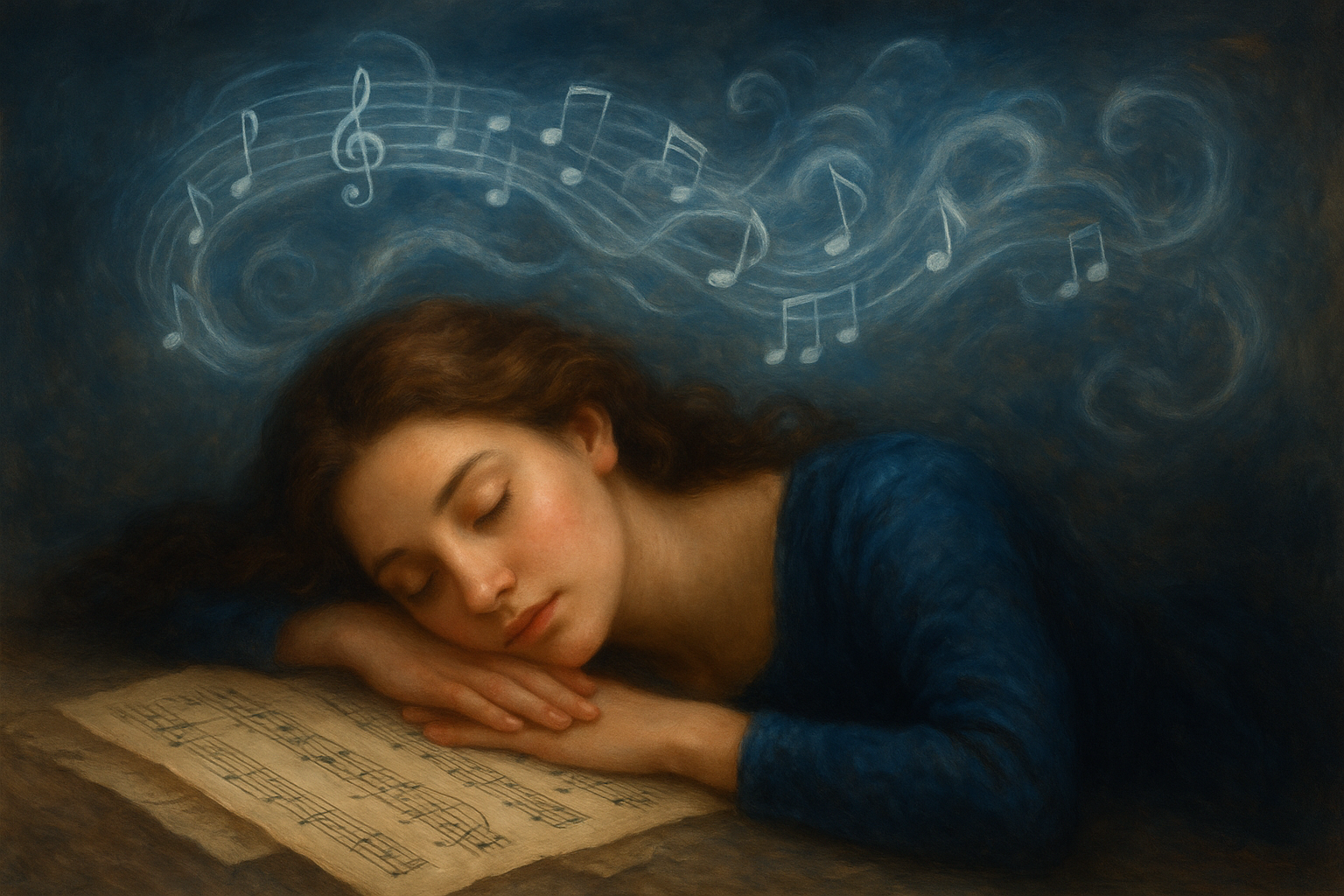
The realm of classical music is a tapestry woven with threads of conscious genius and the mysterious whisperings of the subconscious. The creative process behind some of the most renowned pieces in history often involves a dialogue with dreams and subconscious musings. This introspective journey delves into how these sources have shaped iconic compositions, reshaping the understanding of musical inspiration.
The Connection Between Dreams and Music
Throughout history, artists across disciplines have drawn inspiration from their dreams. In the world of classical music, this phenomenon is no exception. Dreams have served as a profound source of creativity, providing composers with melodies, themes, or the emotional essence that permeates their work.
“All men dream, but not equally. Those who dream by night in the dusty recesses of their minds, wake in the day to find that it was vanity: but the dreamers of the day are dangerous men, for they may act on their dreams with open eyes, to make them possible.”
– T.E. Lawrence
The ‘dangerous’ dreamers of the classical music world have given us symphonies and sonatas born from the liminality between sleep and wakefulness. Let’s explore how some of these masters tapped into their nocturnal visions.
Beethoven’s Nocturnal Inspirations
Ludwig van Beethoven, a towering figure in classical music, often found his creative reservoir while teetering on the edge of slumber. Anecdotes suggest that his famed Moonlight Sonata, with its ethereal and melancholic first movement, may have emerged from Beethoven’s contemplation during his evening strolls and moments of reflective solitude.
Franz Schubert and the Symphony of Dreams
Franz Schubert’s compositions are rich with the emotive quality of dreams. His Symphony No. 8 in B minor, commonly known as the “Unfinished Symphony,” is a prime example of Schubert’s ability to channel the subconscious. The symphony, with its mysterious and unfulfilled narrative, leaves listeners suspended in a dream-like state, questioning the boundary between reality and the ephemeral nature of imagination.
Schubert’s friend, Bauernfeld, recounted instances of the composer waking with new ideas brimming in his mind. It’s suggested that these subconscious nudges were pivotal in shaping Schubert’s unique melodic language.
The Dream World of Franz Liszt
Franz Liszt, the virtuoso pianist and composer, was deeply influenced by his dreams. His transformative piano compositions, with their hauntingly poetic narratives, often echoed the surreal quality of dreams. Liszt spoke of “visions of the night,” which inspired works such as Les Préludes and his darker and mystical pieces like the Mephisto Waltzes.
In letters to colleagues, Liszt described how dreams provided him with entire passages, which he would then carefully translate into his waking compositions, thus bridging his two worlds.
Modern Studies on Subconscious Creativity
Recent scientific research continues to explore the connection between the subconscious mind and creativity. A study published in the journal Behavioral and Brain Functions emphasized the brain’s remarkable ability to process complex tasks unconsciously, influencing creative outputs through dreams and intuitive experiences.
This aligns with the experiences of classical composers, suggesting that the exploration of the subconscious can serve as a catalyst for artistic brilliance.
Tchaikovsky and Dream-Laden Imagery
Pyotr Ilyich Tchaikovsky’s works often feature fantastical themes, suggesting a deep engagement with dream imagery. Pieces like The Nutcracker and Swan Lake embody the vibrant, surreal character of dreams, weaving narratives that transcend the everyday.
Tchaikovsky himself noted the process of transforming scattered melodic ideas conjured during moments of rest into cohesive works that have captivated audiences for generations.
The Legacy of Dream-Inspired Compositions
The power of dreams and the subconscious in shaping classical music cannot be overstated. These experiences, unique to each composer, continue to intrigue musicians and audiences alike. As T.E. Lawrence eloquently observed, those who take their dreams seriously and strive to bring them to life create works that redefine the boundaries of creativity.
In celebrating the dream-inspired masterpieces of the past, we find inspiration to look beyond the waking world, acknowledging the profound potential of our subconscious to illuminate new paths of artistic exploration.