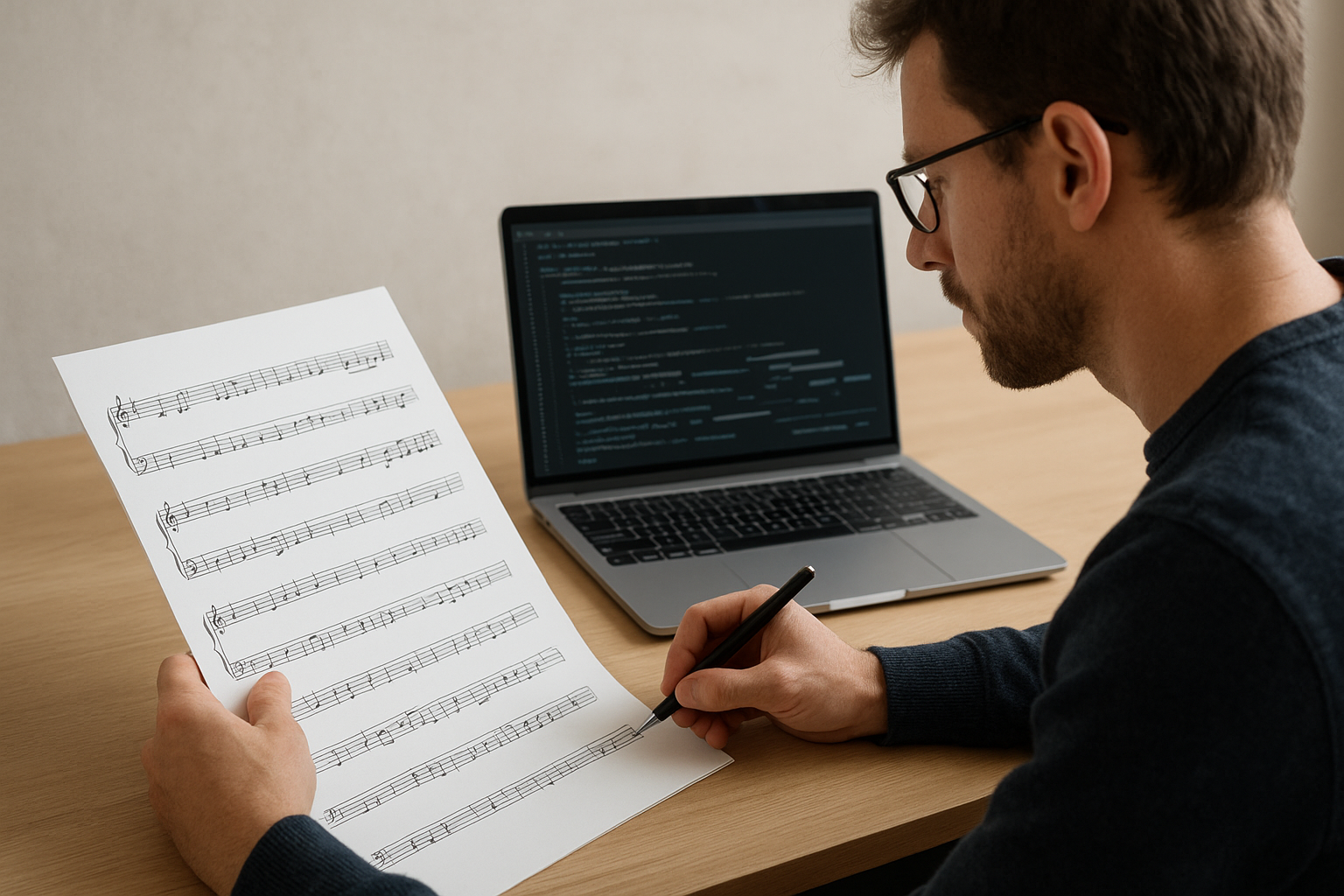
The intersection of technology and music dates back centuries, with advancements in instruments and recording techniques constantly reshaping how music is created and enjoyed. Today, as we delve deeper into the 21st century, a new frontier emerges: composing with algorithms. By integrating coding into the creative process, composers are expanding the traditional boundaries of classical music, exploring the fusion of man and machine to craft innovative musical landscapes.
The Evolution of Algorithmic Composition
Algorithmic composition is not an entirely new concept. In fact, it traces back to the era of Musikalisches Würfelspiel, or “musical dice games” from the 18th century, where musicians used random dice throws to compose music. This idea—the use of predetermined rules to generate music—evolved significantly with the development of computers. By the mid-20th century, composers like Iannis Xenakis and Lejaren Hiller started using computers to assist in musical composition, marking the advent of computational creativity in music.
The Role of Algorithms in Music Composition
- Generating New Ideas: Algorithms are capable of generating novel sequences and harmonies, offering composers fresh perspectives. This can lead to music that might be unconventional yet innovative, pushing the boundaries of classical form.
- Enhancing Creativity: By offloading some of the more mundane or repetitive aspects of composition to algorithms, composers can focus on higher-level creative decisions. This collaboration between human intuition and machine precision initiates a unique creative partnership.
- Exploring Interactivity: Algorithms allow composers to introduce interactive elements in their compositions, responding dynamically to performers or audiences, thus personalizing each performance.
Case Studies: Pioneers of Algorithmic Composition
David Cope: Experiments in Musical Intelligence
“The computer is a tool, just as beneficial as the violin or the piano. It helps us explore realms of music that are impossible via traditional means.” — David Cope
David Cope, a trailblazer in the field, created the Experiments in Musical Intelligence (EMI), an AI system capable of analyzing existing music and generating new compositions in the style of the analyzed works. This approach sparked significant debate over the role of machines in creative arts but undeniably demonstrated the potential of algorithms in composition.
Emily Howell: A New Musical Identity
Continuing with his innovative feats, Cope developed Emily Howell, an AI that interacted with Cope through musical inputs and feedback, creating an ongoing dialogue between composer and algorithm. Emily Howell’s works reflect the unique merging of algorithmic suggestions and human final touches, demonstrating a harmonious bonding of machine-generated creativity with human emotional depth.
Anna Meredith: Seamlessly Integrating Code and Composition
Contemporary composer Anna Meredith is known for her seamless integration of electronic and acoustic elements. Her experiments with algorithmic composition allow her to explore textures and rhythms that may be complex to compose manually but provide a vast palette of possibilities when approached computationally. Her project Varmints blends elements across classical and electronic music, showcasing the potential of algorithmic creativity in genre-blurring compositions.
The Implications and Challenges of Algorithmic Composition
While the integration of algorithms in composition is exhilarating, it brings with it a set of unique challenges. The primary question revolves around authorship. When an algorithm plays a significant role in composing a piece, who should be credited as the creator? This question thrusts us into a larger debate about creativity, innovation, and what it means to be an artist.
Furthermore, the unpredictability of algorithms can result in unexpected musical outputs that might not always align with a composer’s initial intent. Additionally, the design of the algorithms themselves poses ethical questions, particularly regarding their training datasets which can influence the type and style of music produced.
The Future of Algorithmic Composition
As technology continues to advance, the possibilities for algorithmic composition are vast. Machine learning and artificial intelligence hold the potential to craft increasingly sophisticated musical works, possibly achieving levels of complexity akin to human compositions. The implementation of quantum computing could further elevate the computational creativity, allowing for even deeper levels of musical exploration.
Collaborations between musicians and technologists are essential to push the boundaries even further. As the field of music technology evolves, educational opportunities in algorithmic composition are becoming more prevalent, preparing a new generation of musicians who are equally comfortable at a piano or a computer keyboard.
Conclusion
The integration of algorithms into the compositional process is not about replacing human creativity but expanding it. As we embrace these new tools, we redefine what it means to compose, creating a cultural shift that celebrates the possibilities at the nexus of art and technology. Just as the instruments of the past shaped the soundscape of their time, algorithms are set to compose the symphonies of the future.
Ultimately, composing with algorithms opens new horizons for artists, allowing them to explore the infinite landscape of music and creativity. Whether viewed as an extension of classical traditions or a revolution in musical thought, algorithmic composition represents an exciting chapter in the history of music, one where code not only supports but inspires art.