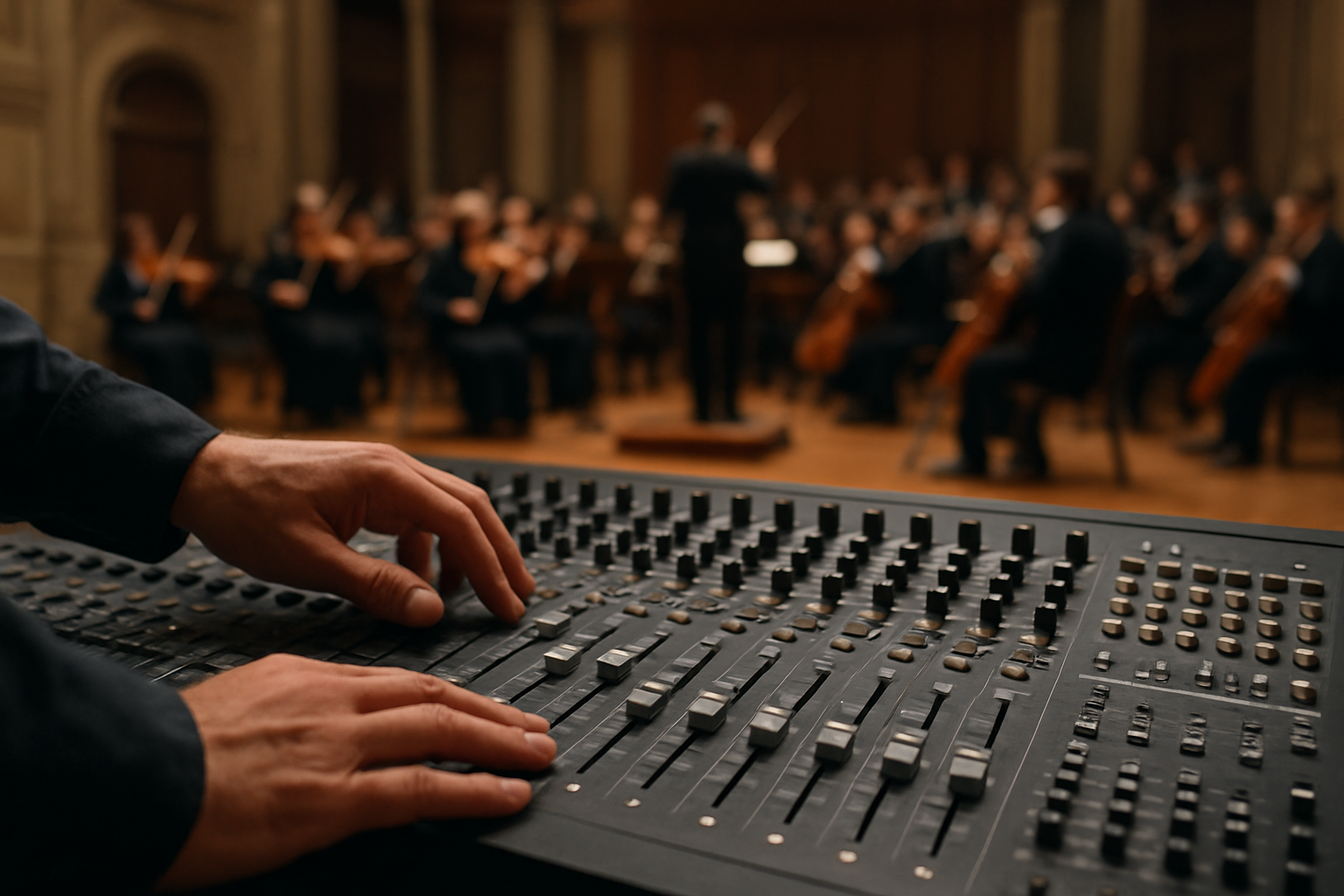
The art of sound engineering in classical music requires a delicate balance between technical expertise and artistic expression. The goal is to create a perfect cadence that resonates with the listener, evoking the rich tradition of classical aesthetics. This article explores the various elements that contribute to designing the perfect cadence, drawing on both historical practices and modern advancements in sound technology.
A Historical Perspective
To understand the principles of sound engineering for classical music, one must start with its history. Classical composers such as Johann Sebastian Bach, Ludwig van Beethoven, and Wolfgang Amadeus Mozart emphasized the structural elements of music, such as harmony, melody, and rhythm. These foundational concepts continue to inform modern sound engineering techniques.
“Music expresses that which cannot be put into words and that which cannot remain silent.”
— Victor Hugo
The Role of Harmony and Melody
Harmony and melody are central to classical music. In sound engineering, creating a perfect balance between these elements requires careful attention to the spatial distribution of sound within a recording. Engineers use various techniques to ensure that the melodic lines are clear and distinct, with harmonies providing a rich, supporting texture.
- Equalization (EQ): Enhances or attenuates certain frequencies in the sound spectrum, ensuring a balanced audio output.
- Reverb: Adds depth and space to the recording, simulating the acoustics of concert halls and other performance venues.
- Panning: Places different instruments in specific locations within the stereo field, enhancing the spatial dimension of the recording.
The Influence of Technology
Modern technology plays an essential role in achieving the perfect cadence. Digital audio workstations (DAWs) and plugins enable sound engineers to manipulate recordings with unprecedented precision. Moreover, the use of high-resolution audio formats preserves the nuances of classical performance, allowing listeners to experience music as the composer intended.
Sample Rate and Bit Depth: Higher sample rates and bit depths provide a more detailed and dynamic sound, capturing the subtleties of classical music. For instance, recordings at 96 kHz and 24-bit are commonly used to ensure high-quality sound.
- Dynamic Range Compression: Controls the contrast between the loudest and softest parts of the music, ensuring clarity without losing dynamic expression.
- Noise Reduction: Removes unwanted background noise while preserving the integrity of the original recording.
- Automation: Allows precise control over volume, panning, and effects throughout a track, enabling seamless transitions and consistent sound quality.
Acoustics and Environment
The recording environment significantly impacts the sound of classical music. Concert halls like the Carnegie Hall and the Sydney Opera House are celebrated for their acoustics, which enhance musical performances. In a studio setting, sound engineers strive to recreate these acoustic qualities.
- Room Treatment: Acoustic panels and diffusers are used to control reflections and absorb unwanted frequencies, ensuring a flat frequency response.
- Microphone Placement: Strategic positioning captures the natural sound of instruments, balancing direct and ambient sound.
- Isolation: Ensures that different instruments are recorded without bleed, maintaining clarity and separation in the mix.
Artistic Expression and Interpretation
Sound engineering is not merely a technical pursuit; it is also an artistic endeavor. Engineers collaborate with musicians and conductors to interpret and enhance the emotional impact of a classical piece. This process involves understanding the intention behind the music and using technology to bring that vision to life.
“Without music, life would be a mistake.”
— Friedrich Nietzsche
The sound engineer must possess a deep appreciation for music and the ability to think creatively. This dynamic relationship between technology and artistry is what elevates a mere recording to a work of art.
The Listener’s Experience
Ultimately, the success of a sound-engineered classical recording is measured by the listener’s experience. A perfect cadence should evoke a sense of awe and continuity, transporting the listener to a place where time stands still. Each element, meticulously crafted, contributes to an immersive and transformational listening journey.
In conclusion, designing the perfect cadence in classical sound engineering involves a harmonious blend of historical practices, technological advancements, and artistic interpretation. As technology continues to evolve, so too will the possibilities for enhancing the classical music experience, ensuring that these timeless works resonate with future generations.
Further Reading
- The Essence of Classical Recordings – Sound on Sound
- Sound Engineering in the Digital Age – Cambridge Core
- Acoustics and Sound Engineering – Springer Link