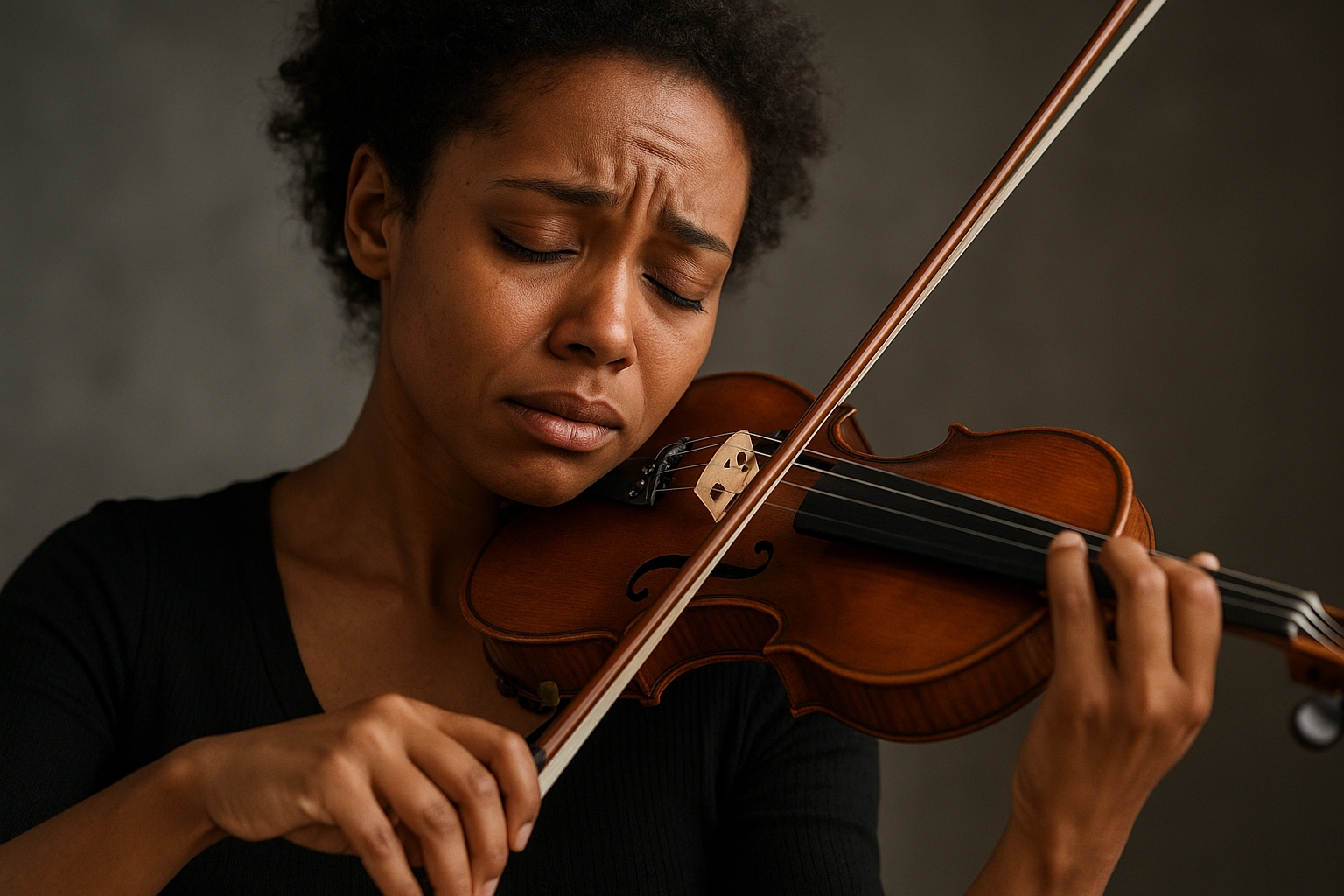
In the realm of art and performance, virtuosity is often synonymous with unparalleled technical brilliance. Whether it’s a breathtaking violin solo or an awe-inspiring ballet performance, the facade of effortless perfection often masks a deeper, universal human truth characterized by vulnerability and perseverance.
At its core, virtuosity isn’t solely about technical skill—it is a reflection of a deeply personal journey marked by dedication and vulnerability. Violin virtuoso Itzhak Perlman once said: “You have to make it your own and forget the fear.” This statement encapsulates the duality between technical excellence and the accompanying emotional exposure that artists endure.
The Path of Perseverance
The journey to mastery is inevitably paved with challenges. For every flawless performance, countless hours of practice, failure, and self-doubt lie in the shadows. As Albert Einstein put it,
“A person who never made a mistake never tried anything new.”
Artists continuously push the boundaries of their capabilities, embracing the potential for mistakes as opportunities for growth.
- Resilience through Failure: Great artists perceive failure not as a setback but as a stepping stone to success. Violinist Itzhak Perlman emphasizes that embracing slips and errors enriches the artist’s narrative, leading to a more profound connection with the audience.
- Emotional Depth: With brilliance comes vulnerability. Virtuosity invites artists to delve into their emotions, transforming personal experiences into universal expressions of human nature. The empathetic resonance of their performances often leaves audiences deeply moved.
- Fear and Courage: The inner conflict of fear versus courage is a common theme in the life of an artist. Many musicians and performers experience intense stage fright but overcome it through meticulous preparation and passion for their craft.
The Audience’s Role
The relationship between audience and performer completes the circle of virtuosity. Audiences not only witness but actively participate in the narrative of vulnerability and triumph. By engaging emotionally, they acknowledge the artist’s courage, validating the intimate connection between technical mastery and human experience.
Ultimately, the greatest performers invite us to witness their virtuosity and, in doing so, reveal their humanity. It is within this vulnerability that we find the true power of art—to connect, to move, and to remind us of our shared human journey.
For more on the interplay of technical excellence and emotional depth in performance, see Musical America.