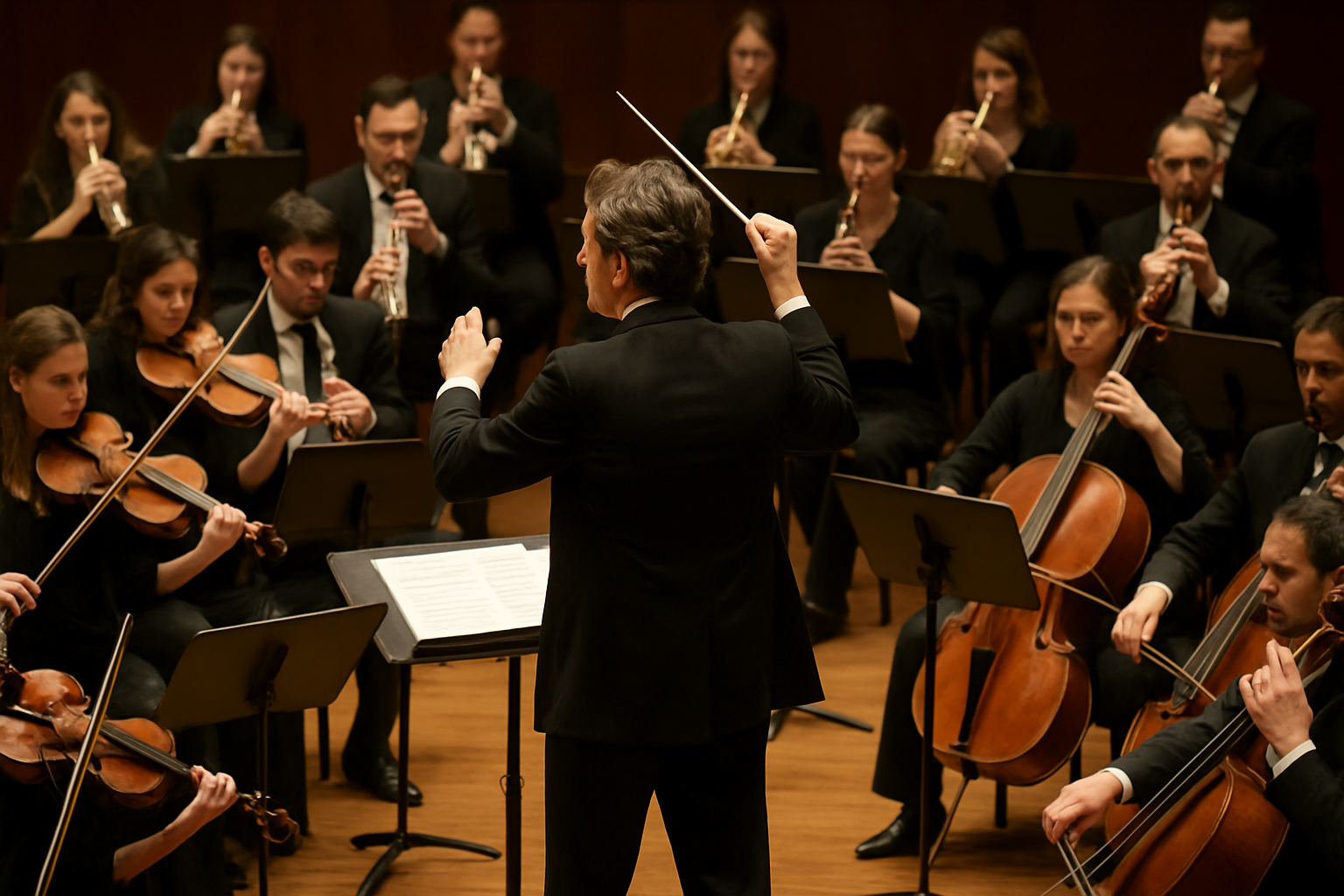
The orchestra is often viewed as a single entity, a monolithic sound machine capable of producing music both deeply moving and overwhelmingly powerful. But beneath its grand exterior, the orchestra is an intricate tapestry woven from individual musicians, each bringing their own unique expression to the collective performance. It is within these ensemble dynamics that we uncover the true soul of the orchestra—a collective voice that reaches far beyond the capabilities of its individual parts.
The Birth of an Orchestra
Orchestras have their roots in the rich history of communal music-making. The word “orchestra” itself comes from the Greek orkheisthai, meaning “to dance,” reflective of its early purpose as accompaniment to theatrical performances. Over time, orchestras evolved into concert ensembles, reaching their modern form in the 18th and 19th centuries. Today, an orchestra typically unites string, woodwind, brass, and percussion instruments, together creating a symphony of sound.
The Power of Unity and Diversity
Gustav Mahler famously stated, “A symphony must be like the world. It must contain everything.” This essence of inclusivity is mirrored in the structure of an orchestra where musicians must blend their individual skills and techniques to serve a greater purpose: the performance of a composition.
- Unity: Unity in an orchestra is achieved through the shared goal of interpreting a composer’s work. The conductor acts as the unifying force, guiding musicians to execute a collective vision.
- Diversity: Each musician brings their unique touch and expertise to the ensemble. A violinist’s vibrato, a horn player’s timbre, or a drummer’s precise rhythm all contribute to the unique sound of an orchestra.
The Role of the Conductor
The conductor wields a pivotal role in shaping the dynamics of an orchestra. According to Leonard Bernstein, “The key role of a conductor is to represent the human soul to others.” This mediatory position requires not only a deep understanding of the music but also an intimate awareness of each musician’s contribution.
“Conducting is more than beating time—it’s listening, and realizing what the orchestra is doing and what the orchestra can do.” – Colin Davis
Through gesture, expression, and sometimes mere presence, the conductor channels the collective energy of the musicians, ensuring that their combined output is both cohesive and expressive.
Interpersonal Dynamics Among Musicians
It is often said that the relationship between musicians in an orchestra is akin to that of a family, where cooperation, respect, and communication are vital. Interpersonal dynamics shape the ensemble’s interpretation of music, affecting everything from tempo to timbre.
- Cooperation: Seamless cooperation among musicians is essential. Each player must be finely attuned to the cues of their fellow performers.
- Listening: Ensemble playing requires active and profound listening, as musicians must constantly adjust their dynamics, intonation, and articulation.
- Trust: Trust fosters an environment where musicians feel confident to take artistic risks, enhancing creativity and expression within performances.
The Influence of Repertoire on Dynamics
The repertoire performed by an orchestra impacts its internal dynamics. Pieces composed by Beethoven, Brahms, or Stravinsky require different orchestral configurations and offer varying levels of challenge to musicians.
- Classical and Romantic Eras: Compositions from these periods often favor lush, layered sounds that require focused attention on harmony and balance.
- Modern Works: Contemporary pieces often play with atonality and dissonance, demanding quick shifts in dynamics and tempo, thus testing the agility and adaptability of an ensemble.
The Audience’s Perception
The dynamics of an orchestra deeply influence how an audience perceives and experiences a performance. The synchronized movements, the swells, and the silence between notes create an immersive experience for listeners.
“Music can name the unnameable and communicate the unknowable.” – Leonard Bernstein
As listeners, audiences are not merely passive absorbers of sound. They are engaging in a dialogue with the orchestra, shaped by mood, venue acoustics, and the sheer presence of live music.
Conclusion: The Soul of Collective Expression
While each musician in an orchestra holds an individual identity, their collective efforts transcend the ordinary constraints of singular artistry, unlocking the intricate harmony within ensemble dynamics. The orchestra becomes a living, breathing entity—a soul comprised of many voices unified in purpose, complexity, and beauty.
The soul of the orchestra indeed lies in its dynamics: a testament to the power of collective human creativity that continues to resonate across time and culture.
For further exploration on orchestral dynamics and their influence on music, visit resources like BBC Music or explore organizations such as The Berlin Philharmonic.