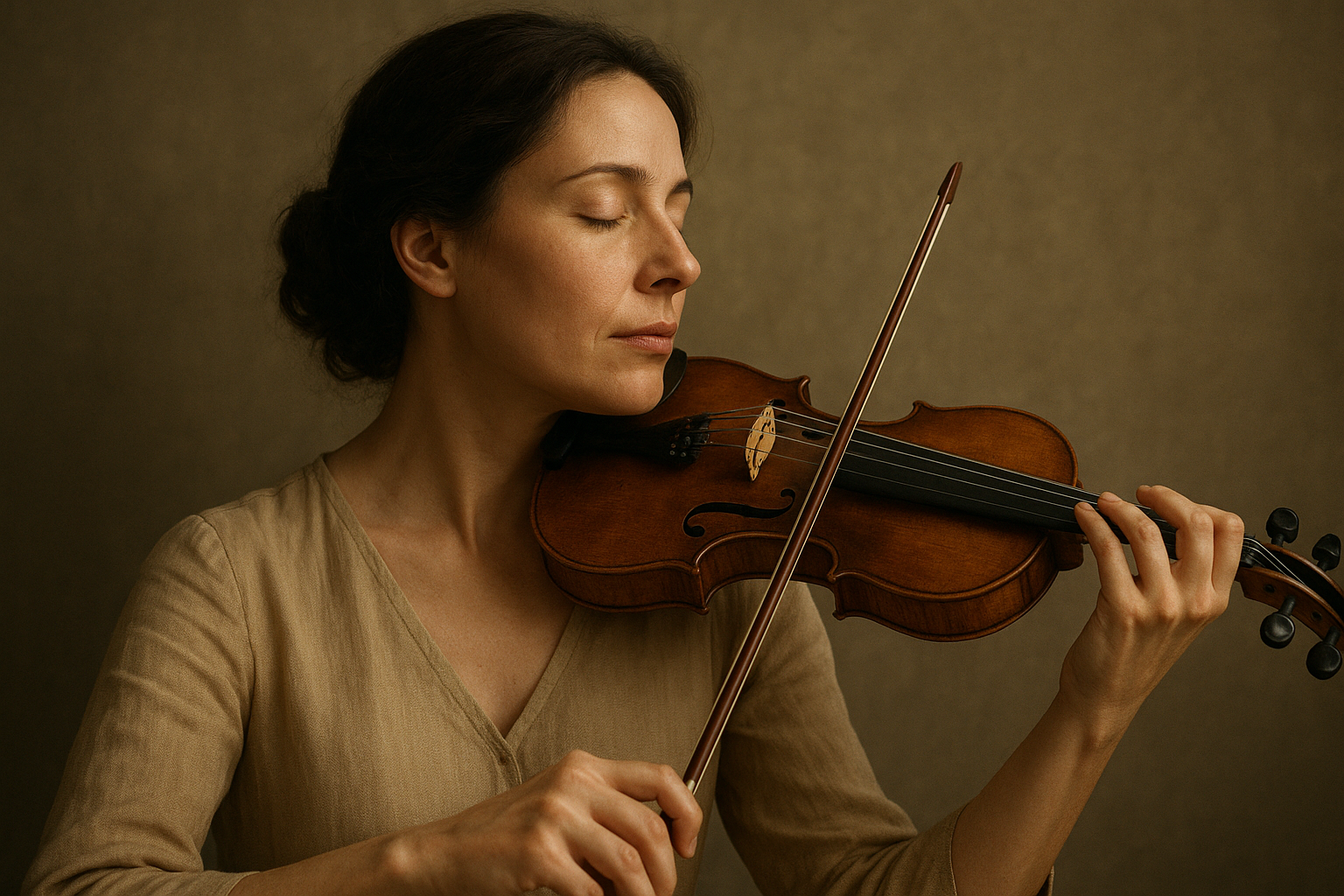
The profound connection between spirituality and classical music has intrigued composers and audiences alike for centuries. The ethereal art of weaving spiritual intuition into music creates a mystical tapestry that transcends time and culture. Classical composers, through their unparalleled gift of blending divinity with melody, enable audiences to experience spiritual awakening and enlightenment through their compositions.
“Music is the mediator between the spiritual and the sensual life.” – Ludwig van Beethoven
The Intersection of the Spiritual and the Musical
The essence of spiritual intuition in classical composition is often found in the profound emotional resonance and philosophical depth within the works of great composers. This spiritual depth stems not merely from the notes themselves but from the spaces and silences between them, where intuition breathes life into the music.
-
Johann Sebastian Bach (1685-1750)
Bach’s music is often regarded as a direct conduit to the divine. His cantatas and oratorios, infused with intricate polyphonic structures, embody a spiritual devotion that transcends religious boundaries. Bach believed his music was a tribute to the glory of God, as reflected in his inscription “Soli Deo Gloria” on many of his scores.
-
Ludwig van Beethoven (1770-1827)
Even as Beethoven struggled with deafness, his compositions reflect a powerful spiritual journey. Works like the Ninth Symphony with its “Ode to Joy” finale symbolized hope and universal brotherhood, connecting listeners to a higher sense of unity.
-
Arvo Pärt (1935-)
Known for his minimalist approach, Pärt’s compositions deeply resonate with the ethos of spiritual introspection. His signature “tintinnabuli” style renders music that is meditative and transcendent, drawing listeners into a state of contemplative reflection.
The Role of Intuition in Composition
Intuition in composition is not only about inspired creation but also about the ability to listen—listening to one’s inner voice and translating that into something audible and tangible. Composers often describe this process as an internal dialogue with a force greater than themselves.
“The inspiration of a noble sentiment, can be but a feeling, which has no words.” – Franz Liszt
This internal process can often involve:
- Dream States: Many composers draw upon dreams for inspiration, with the subconscious lending fragments of melodies and harmonies.
- Silence and Solitude: The act of ‘listening’ to one’s own silence can provide fertile ground for ideas. This silence allows the mind to access deeper layers of consciousness.
- Emotional Catharsis: Transforming emotional experiences into music is a cathartic process that channels intuition into physical form.
Case Studies: Music as a Spiritual Practice
Beyond the traditional concert hall, there are numerous examples of composers using their work as a spiritual practice:
-
Olivier Messiaen (1908-1992)
Messiaen’s “Quartet for the End of Time”, composed during his imprisonment in World War II, was inspired by the Apocalypse from the Book of Revelation. This piece reflects his deep Catholic faith, portraying time suspended in a transcendent moment of spirituality.
-
John Tavener (1944-2013)
Famously known for his composition of “The Protecting Veil”, Tavener viewed music as a direct pathway to the divine. His works frequently draw upon religious and spiritual texts, exploring the mysteries of creation and existence through music.
The Auditory Journey: Listeners as Part of the Spiritual Experience
The relationship between composer and audience forms a unique and powerful spiritual connection. Listeners engage in an active process of interpretation and reflection. This process allows audiences to not only hear the music but to feel and live it, offering their own intuition as a participant in the sacred act of musical communion.
In modern times, audiences can experience this transformative power through:
- Live Performances: Concerts create a shared space where the communion between performer, composer, and audience generates a palpable spiritual presence.
- Digital Access: Streaming platforms allow a global audience to connect with classical music’s spiritual essence at any time, making the experience more accessible than ever.
- Interactive Technologies: Virtual reality and immersive technologies are creating new ways for listeners to engage with the spatial and emotional depth of classical compositions.
Conclusion: The Eternal Dialogue
Spiritual intuition in classical composition is not confined to a historical past but continues to evolve. Composers today are inspired by the same transcendent ideals that spurred legendary maestros centuries ago. In this eternal dialogue between the earthly and the divine, classical music remains a sacred language that speaks directly to the soul.
As listeners and aspiring composers alike continue to explore this profound relationship, we are reminded of the infinite possibilities that arise when spiritual intuition and classical tradition coalesce. As Beethoven so aptly asserted, music remains the ultimate bridge to the spiritual realm.