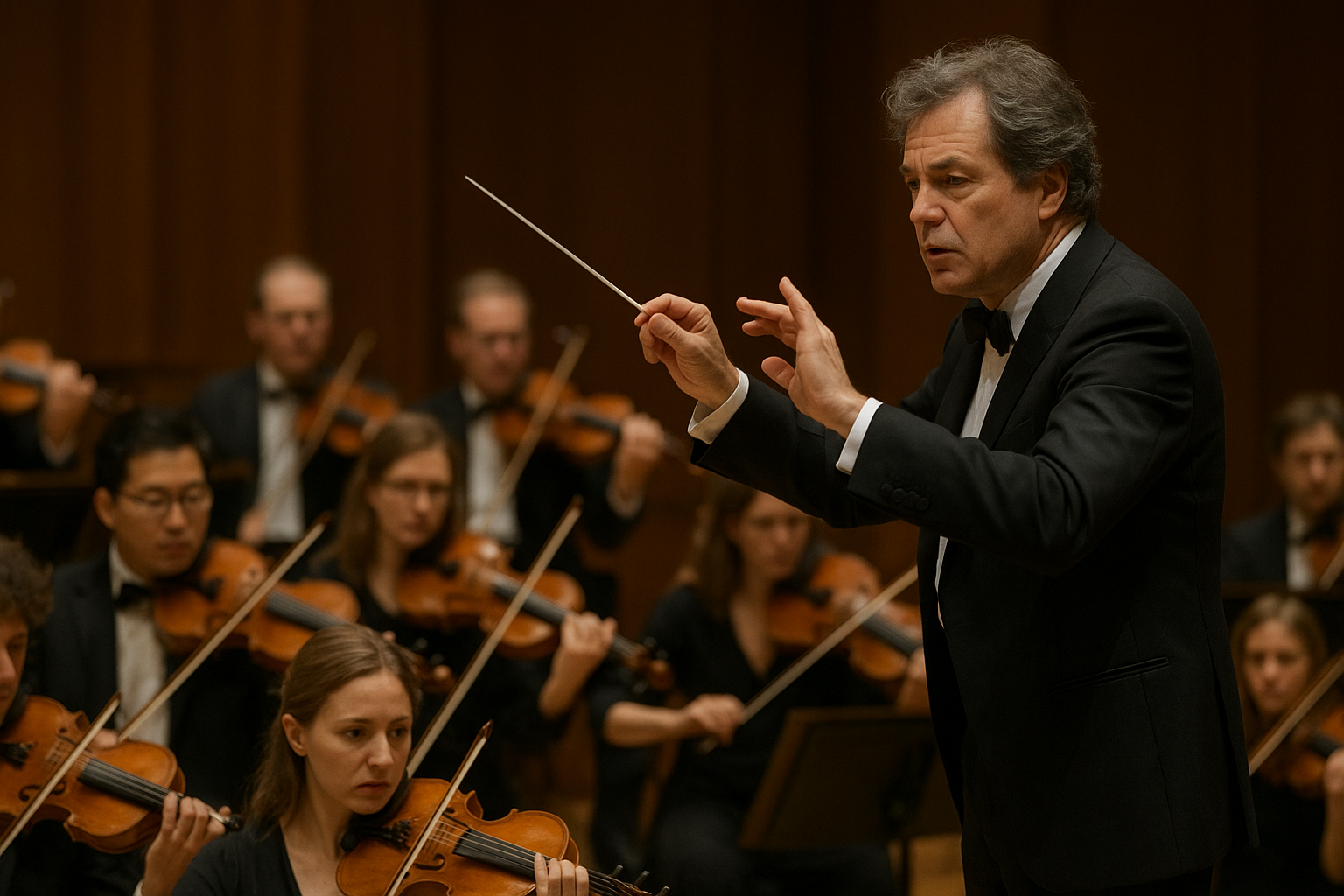
The Opening of Also sprach Zarathustra: Strauss’s Iconic Orchestration
The world of orchestral music is replete with stunning compositions that have captivated audiences for centuries. Among such remarkable pieces, Richard Strauss’s Also sprach Zarathustra stands out, partly due to its iconic opening that has transcended classical music circles and embedded itself into popular culture.
Introduction to Strauss’s Masterpiece
Composed in 1896, Also sprach Zarathustra is a tone poem inspired by Friedrich Nietzsche’s philosophical novel of the same name. Strauss’s orchestration captures the book’s essence—ideas of existentialism, the death of God, and the Übermensch—in a musical form.
The piece is divided into nine sections, each representing different themes from Nietzsche’s work. However, it is the opening fanfare, often dubbed “Sunrise,” that has become iconic. The grandiose and profound notes depict the metaphor of the philosophical dawn and human striving for enlightenment.
The Iconic Opening: An Analysis
The fanfare begins with a low pedal C on the double basses, contrabassoon, and organ, creating a mood of suspense and anticipation. Over this base, a C-G-C octave phrase in trumpets ascends, initiating a majestic sonic landscape.
- The fanfare reflection: The music mirrors the cosmic awakening, symbolizing the start of the philosophical journey.
- Musical structure and impact: The orchestration employs a vast range of dynamics from a whisper to a powerful crescendo, leading to a resounding climax.
The emotional and sonic impact of the opening derives from the strategic orchestration. Strauss utilizes a rich palette of instrumental colors that include a prominent brass section with trumpets and horns, timpani for percussion, and the peculiar contribution of organ for additional depth.
Cultural Significance
The opening’s association with cosmic and existential themes was further cemented when it was famously used in Stanley Kubrick’s 1968 film 2001: A Space Odyssey. Its use in the film introduced the piece to a worldwide audience, making it synonymous with grandiosity and the exploration of the unknown. Kubrick’s strategic use of the piece aligned perfectly with the film’s themes of evolution and human exploration.
“For Strauss, as for Nietzsche, the sunrise represents new beginnings and the perpetual rotation of life, ideas that are beautifully presented in the majestic opening of Also sprach Zarathustra.”—Classical Music Magazine
Interpretations and Adaptations
Over the decades, Strauss’s Also sprach Zarathustra has been reinterpreted by various orchestras and conductors worldwide. Each interpretation brings a fresh take on this towering piece of music, reflecting the conductor’s personal approach to its depth and intent.
- Orchestral adaptations: From contemporary ensembles to traditional orchestras, performances of the piece consistently express its philosophical roots while allowing room for artistic interpretation.
- Popular culture impact: Beyond the concert hall, the opening has found its way into television, commercials, and an array of media, symbolizing everything from intense drama to playful parody.
Conclusion: The Legacy of an Orchestral Jewel
Richard Strauss’s Also sprach Zarathustra continues to resonate with audiences as both a testament to his compositional prowess and his ability to translate complex philosophical ideas into music. The iconic opening fanfare remains a powerful symbol of cosmic wonder and existential curiosity, making it a lasting contribution to classical music and culture.
The orchestration of Also sprach Zarathustra is a masterclass in ingenuity and emotion, illustrating Strauss’s vision and the enduring relevance of his work. Its architectural complexity and cultural ubiquity ensure that the opening will remain an icon of orchestral music for generations to come.
For more in-depth exploration of Strauss’s music, visit The Strauss Society.