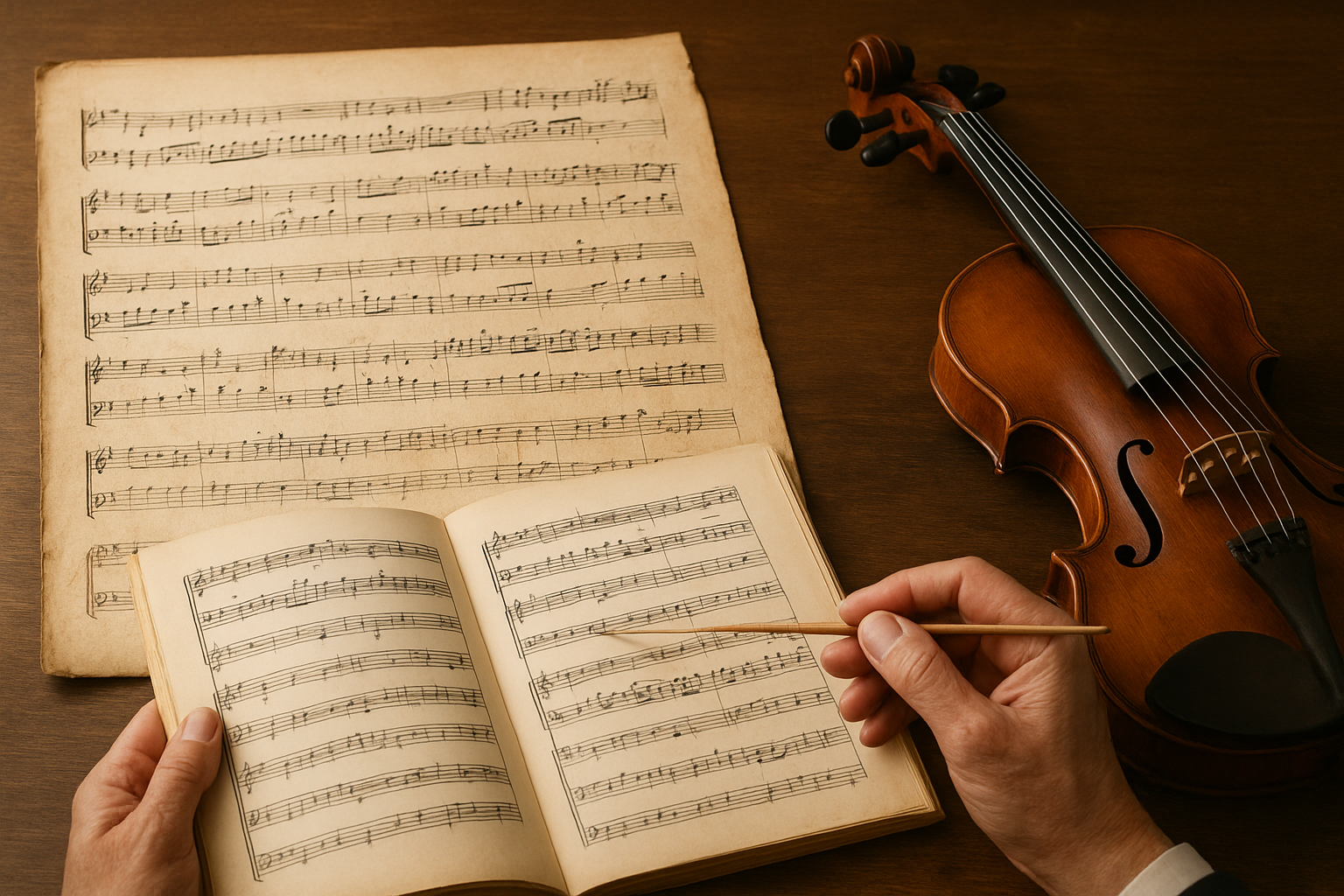
From Manuscript to Performance: Analyzing the Text of The Four Seasons
The Four Seasons, composed by Antonio Vivaldi in 1723, stands as one of the most exemplary compositions of program music, predating other significant works that sought to musically depict narrative or themes. These concertos, iconic in their vivacious energy, evoke vivid imagery and dynamic scenery across the four seasons of the year.
The Structure of The Four Seasons
The Four Seasons consists of four violin concertos, each representing one of the seasons: Spring, Summer, Autumn, and Winter. Each season is divided into three movements that reflect various aspects of the respective time. Vivaldi paired each concerto with sonnets, believed to have been written by the composer himself, to elucidate the musical representation of each season’s character.
- Spring: E major – Allegro, Largo, Allegro Pastorale
- Summer: G minor – Allegro non Molto, Adagio e Piano – Presto e Forte, Presto
- Autumn: F major – Allegro, Adagio molto, Allegro
- Winter: F minor – Allegro non Molto, Largo, Allegro
Analytical Walkthrough of the Concertos
Vivaldi’s intricate craftsmanship in each concerto not only captures the essence of its seasonal bearer but also affords listeners a moment of narrative beyond notes. Let’s delve into the unique features of each piece.
Spring: A Celebration of Nature’s Awakening
“Spring has come, and joyfully, the birds welcome it with cheerful song, and the brooks, caressed by Zephyr’s breath, flow with a sweet murmur.”
— Translation of Vivaldi’s Sonnet
The opening concerto, Spring, is an ode to the rejuvenation of life. Its crisp, lively allegretto vividly paints birds chirping, streams bubbling, and gentle breezes swaying. Vibrant trills mimic avian calls, while soft string passages mirror flowing waters. The third movement summons the rustic merriment of shepherds, amidst wildflowers and pastoral tranquility.
Summer: The Ferocity of the Sun
“Under the heavy season of the burning sun, man and flock languish, and the pine scorches.”
— Vivaldi’s Summer Sonnet
Simultaneously languid and tempestuous, Summer conveys the oppressive heat of the sun juxtaposed with an impending storm. The second movement’s suffused lethargy in G minor mirrors a dog-day afternoon, while the concluding presto jars with electric fervor, reflecting thunderstorms disrupting the torpor. The sonnet vividly depicts both the languor of the sweltering heat and the violence of weather.
Autumn: The Harvest and Revelry
“The peasants celebrate with dance and song, the joy of the bountiful harvest, and with Bacchus’ liquor, even delight in guilt, they end their revelry with a rest.”
— The Autumn Sonnet
This concerto, Autumn, is a vibrant portrayal of harvest festivals and revelry. Initially, the allegro exudes cheerfulness, filled with lilt and festivity. Vivaldi uses brisk, rhythmic patterns to evoke dancing peasants celebrating overfleeting banquets. The dreamy adagio provides a pause of indulgent repose, later reigniting into a jubilant finale.
Winter: The Brutality and Beauty of Ice
“To tremble with cold in the icy snow, in the extreme chill of the harsh wind, to run stamping your feet every moment…”
— The Winter Sonnet
The closing movement, Winter, explores the duality of icy landscapes’ beauty and stark terror. In F minor, its brisk tempo synthesizes chattering teeth and bracing winds. Icy slides on violin conjure slippery terrains while ensuing quiet passages invite the warmth of fireside retreats. The juxtaposition reflects both the season’s bitter bite and its crystalline allure.
Performance Considerations
The performance of Vivaldi’s The Four Seasons offers fertile ground for interpretative imagination. Musical director, conductor, and soloist must translate the nuanced textures within Vivaldi’s manuscript into palpable emotional tapestries.
Interpretation and Ornamentation: Vivaldi, a Baroque composer, encouraged embellishments in performance. Musicians may augment his notes with improvised flourishes to evoke the heart of the seasons wholly. A violinist must channel Vivaldi’s intricate, expressive writing, ensuring that the thematic material feels both spontaneous and faithful to baroque tradition.
Tempo and Dynamics: The conveying specificity of nature’s phenomena invokes flexible phrasing and dynamic shifts, distinctively significant in conceiving each concerto’s tempest and calm. Musicians must be adept in their articulation of Vivaldi’s dynamic contrasts, offering clarity to the contrapuntal lines while enhancing narrative finesse.
Conclusion
Vivaldi’s The Four Seasons is a masterclass of tone painting, balancing precise technique with evocative imagery. It transcends the mere structure of melodies and harmonies, embodying seasonal cycles brimming with life and emotion. Each performance can uniquely adapt the manuscripts, breathing fresh nuance into Vivaldi’s timeless creation. With its melodic depictions, Vivaldi’s composition remains a perennial favorite among interpreters and audiences alike—a tribute to the endless inspiration found within nature’s procession.