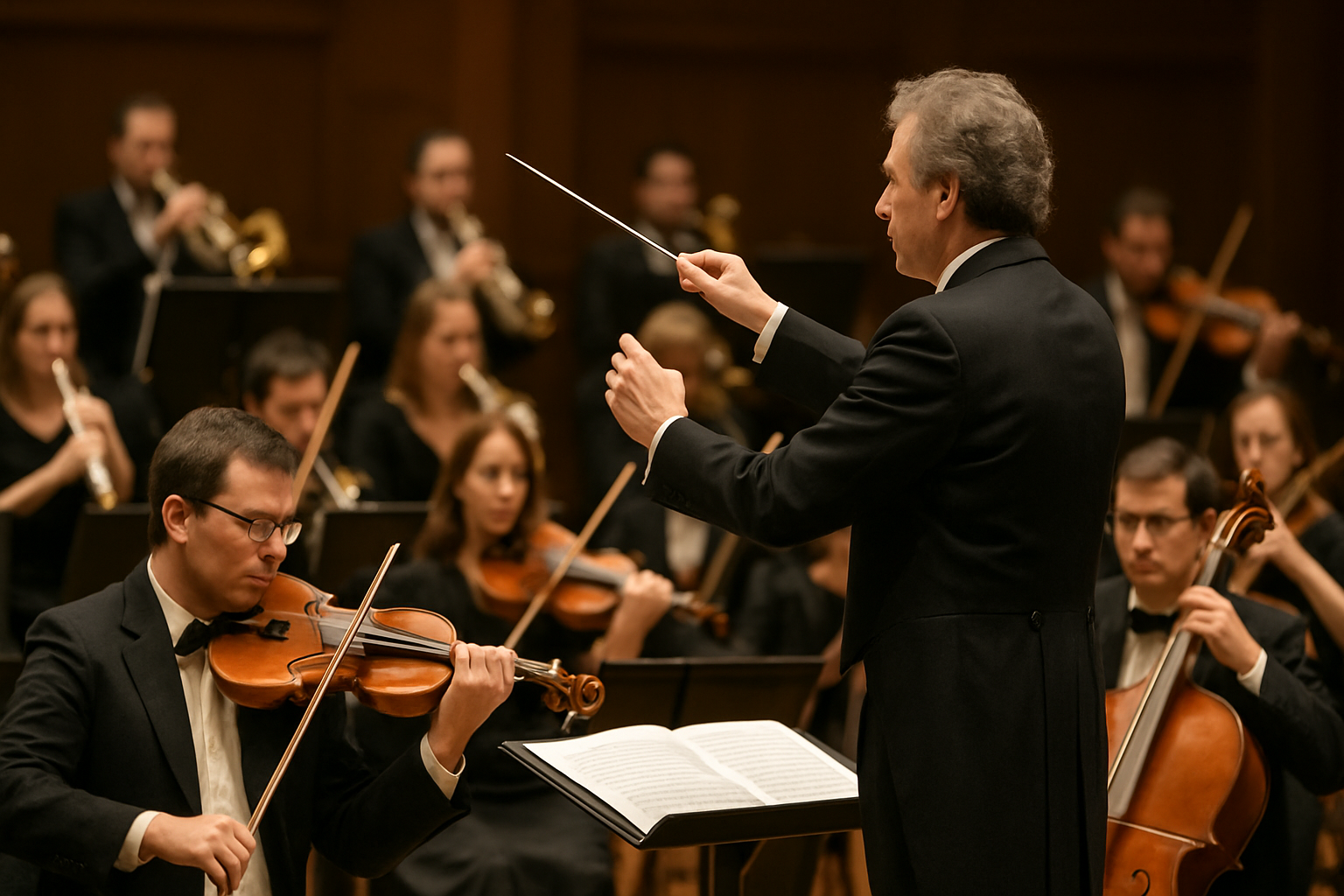
Boléro: Ravel’s Lesson in Orchestral Crescendo and Repetition
The iconic work of Maurice Ravel, Boléro, stands as a testament to the power of minimalistic composition and orchestral crescendo. Since its premiere in 1928, this piece has captivated audiences with its hypnotic rhythm and progressive intensity, showcasing Ravel’s mastery of orchestral color and dynamics.
The Genesis of Boléro
Commissioned by the Russian ballerina Ida Rubinstein, Boléro was originally intended as a ballet. Ravel described it succinctly as a “piece for orchestra without music.” He envisioned a Spanish character to the work, achieving this through a consistent rhythmic pattern—a repeating bolero dance rhythm—and a single, repetitively evolving melodic line.
“I am particularly desirous there should be no misunderstanding…I have written only one masterpiece. That is the Boléro. Unfortunately, it contains no music.” – Maurice Ravel
This self-deprecating remark encapsulates Ravel’s genius: he distills orchestration to its pure essence, relying not on melodic invention but on transformation through instrumental color and dynamics.
Structural Simplicity and Complex Progression
Boléro unfolds over the span of roughly fifteen minutes, presenting a singular theme that repeats seventeen times. The theme consists of two phrases, played over an unchanging rhythm, driven by the snare drum “ostinato.” The genius of the work lies in its ability to maintain interest and build a compelling sense of tension through orchestration.
- Ostinato: A static rhythmic foundation provided by the snare drum, consistent from start to finish.
- Theme: Two melodic phrases repeatedly woven into the fabric of the orchestral texture.
Ravel’s orchestration gradually introduces new timbres and textures at each iteration, employing different instrumental solos and combinations, thereby creating a kaleidoscope of sound. This creates a sense of anticipation that propels the music forward.
Mastery of Orchestration
The piece begins quietly with the flute, whose subtle, airy tone sets the mood. As Boléro progresses, other instruments enter, each adding their unique color—clarinet, bassoon, and the saxophone, among others, stepping into the spotlight. The orchestral texture becomes denser as the piece crescendos towards its exhilarating conclusion.
“The most remarkable aspect of Boléro is Ravel’s use of orchestration, developing a simple theme into a complex and intense musical tapestry.” – New World Symphony
By varying the instrumental focus and combining unexpected groupings, Ravel maintains dynamic interest and avoids monotony. The careful control of dynamics from pianissimo to fortissimo ensures a powerful and irresistible build-up throughout the work.
The Psychology of Repetition
Ravel’s exploitation of repetition taps into a fundamental psychological response to music. The steady repetition, combined with gradual variation, creates a meditation-like state, simultaneously comforting and suspenseful.
In an article from Psychology Today, the impact of musical repetition is discussed as a means to engage listeners deeply, activating their anticipatory brain responses and creating emotional resonance. Ravel, whether intentionally or instinctively, understood this engagement, allowing Boléro to resonate profoundly with audiences.
Criticism and Legacy
Though some critics have dismissed Boléro as overly repetitive, its enduring popularity attests to its brilliance. Ravel’s lesion in minimal orchestration effectively demonstrates how a simple idea can expand into a monumental soundscape.
The legacy of Boléro has extended beyond the concert hall, influencing other art forms such as film and popular music. Its hypnotic structure has made appearances in contemporary media, from movies like “10” featuring Dudley Moore to its use in various commercials and TV shows.
“Boléro remains a unique phenomenon, lauded for its hypnotic effect and orchestral innovation.” – Classic FM
The appeal of Boléro and its cultural significance reaffirm its place as a timeless masterpiece in the orchestral repertoire. It continues to evoke powerful emotional responses and inspire awe, testifying to the genius of Ravel’s vision.
Conclusion
Boléro stands as a monument to Ravel’s ingenuity in orchestration, a piece where minimalism meets majestic sound. Through repetition, crescendo, and orchestral color, Ravel delivers a powerful lesson in composition that continues to inspire musicians and composers. This remarkable work serves as an enduring reminder of the boundless possibilities within simplicity.