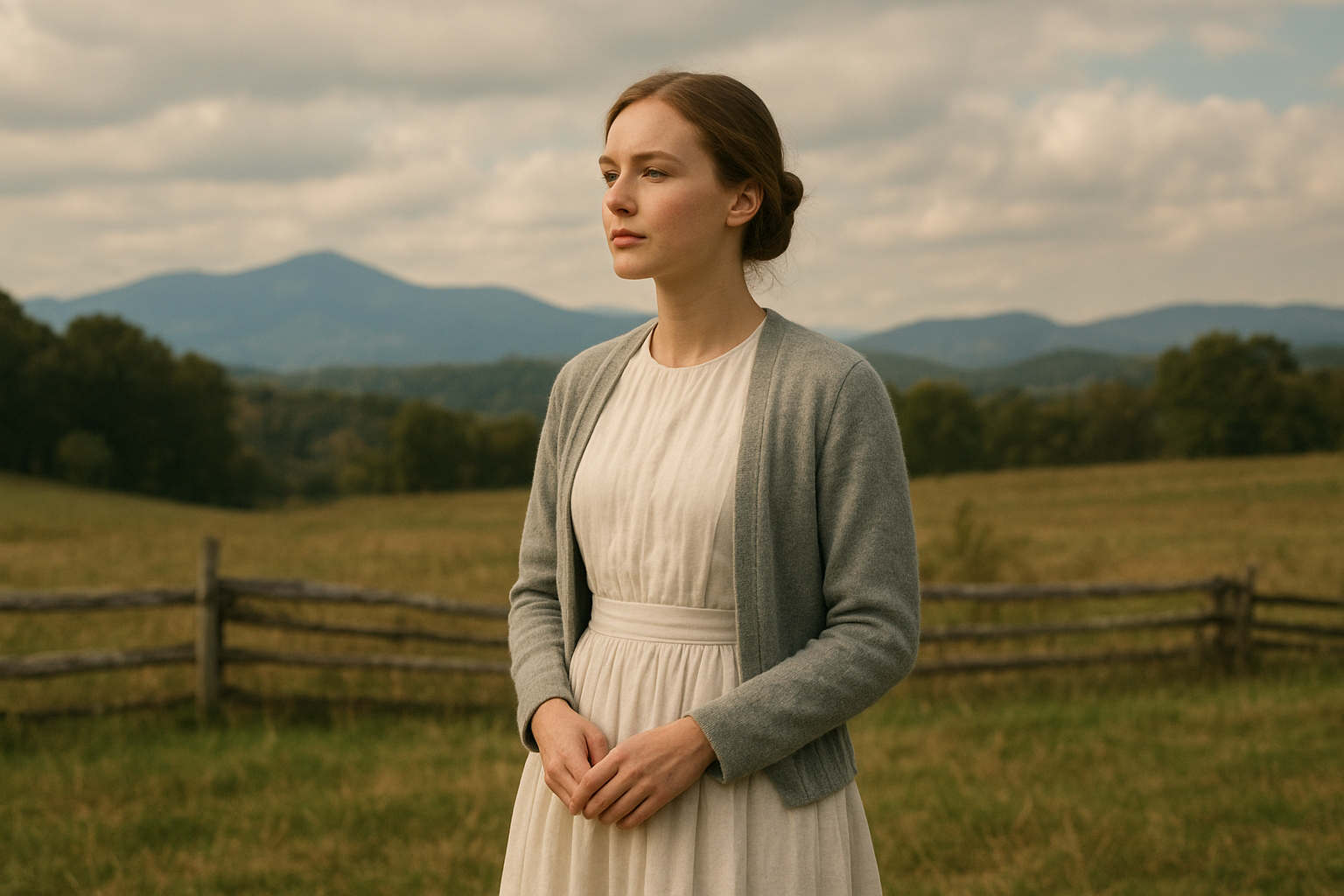
Appalachian Spring: Copland’s Score and the Sound of American Hope
In the rich tapestry of American classical music, few works capture the essence of the nation’s spirit as vividly as Appalachian Spring. Composed by Aaron Copland, this iconic piece evokes the landscapes, aspirations, and identity of America during a turbulent period. As we delve into the intricacies of Copland’s masterpiece, we uncover how his music became a beacon of hope and a symbol of national resilience.
The Genesis of Appalachian Spring
In 1943, the renowned choreographer Martha Graham approached Aaron Copland to compose the score for a new ballet. Funded by the Elizabeth Sprague Coolidge Foundation, the work was intended to celebrate the pioneer spirit of America. Copland crafted a musical landscape that would come to symbolize American hope during the uncertain years of World War II.
Initially, the piece was titled simply Ballet for Martha, but it was later renamed Appalachian Spring after a phrase in Hart Crane’s poem The Bridge, chosen by Graham herself. The title connotes both the freshness of a new beginning and the rugged, natural beauty of the Appalachian region. As Graham remarked, the title’s ambiguity allowed the music to transcend specific narratives and resonate with universal themes of renewal and hope.
A Score Rooted in Simplicity
At the heart of Copland’s Appalachian Spring lies a profound simplicity—a deliberate choice that allows the music to speak directly to the listener. His use of folk-based melodies and rhythms reflects the resilience and optimism of the American frontier spirit. One of the most striking examples of this is the incorporation of the Shaker melody Simple Gifts, a tune that epitomizes simplicity and humility.
In the tapestry of the score, Copland weaves together spacious harmonies and open intervals, creating a soundscape that reflects the vast American landscape. This technique, often referred to as the “American sound,” embodies the openness and boundless possibilities of the New World. As music historian Neil Lerner notes, “Copland’s open textures and uncluttered orchestration evoke the geographical and emotional expanse of the American land.”
The First Performance and Reception
Appalachian Spring premiered on October 30, 1944, at the Library of Congress in Washington, D.C. Martha Graham’s choreography, coupled with Copland’s evocative score, brought to life the story of a young pioneer couple building a new farmhouse in Pennsylvania. The performance was met with immediate acclaim, and Copland’s music was lauded for its ability to transcend the medium of dance and communicate directly with its audience.
The Library of Congress records comments from critics of the time, who praised the work for its innovative blend of modernism and traditionalism. One reviewer, Paul Bowles, noted in The New York Herald Tribune, “The music is perfectly adapted to the ‘motif’ of a people striving to forge a new life, and it distills the essence of rural optimism.”
Thematic Depth and American Identity
Beyond its surface beauty, Appalachian Spring explores deeper themes of identity and communal strength. The piece’s narrative of starting anew, with its underlying tensions and resolutions, mirrored the experiences of countless Americans during the post-war period. In doing so, Copland’s score became an anthem for the American dream itself.
Within its 14 sections, the ballet moves through moments of joyous celebration, profound introspection, and hopeful conclusion, mirroring the cycles of challenge and triumph in human endeavor. The characteristically Copland-esque augmentation of simple motifs into grand statements echoes the transformation of personal aspirations into collective achievements.
“Copland’s music has an uncanny ability to mirror the soul—a kind of sonic empathy that can comfort and inspire.” — Alex Ross, The New Yorker
Legacy and Influence
In the decades since its premiere, Appalachian Spring has solidified its status not only as a staple of the orchestral repertoire but as a cultural treasure emblematic of American hope. It represents, more than any other piece, the optimistic spirit of a nation emerging from war into a future filled with promise.
In educational settings, the work serves as an introduction to understanding American music—a seamless marriage of form, function, and national folklore. Its themes continue to reverberate, speaking to each generation anew.
As Copland himself reflected, “To make music of a purely American character and build subject matter that could sustain itself without reliance on European ideas was a central goal.” This ambition was realized with Appalachian Spring.
Conclusion
Appalachian Spring stands as more than just a musical composition; it is a symbol of hope, resilience, and the unyielding spirit of America. As audiences continue to listen, they are reminded of a history of overcoming adversity and the persistent pursuit of ideals. Through its emotive power and innovative simplicity, Copland’s masterpiece continues to illuminate the enduring glow of American hope.