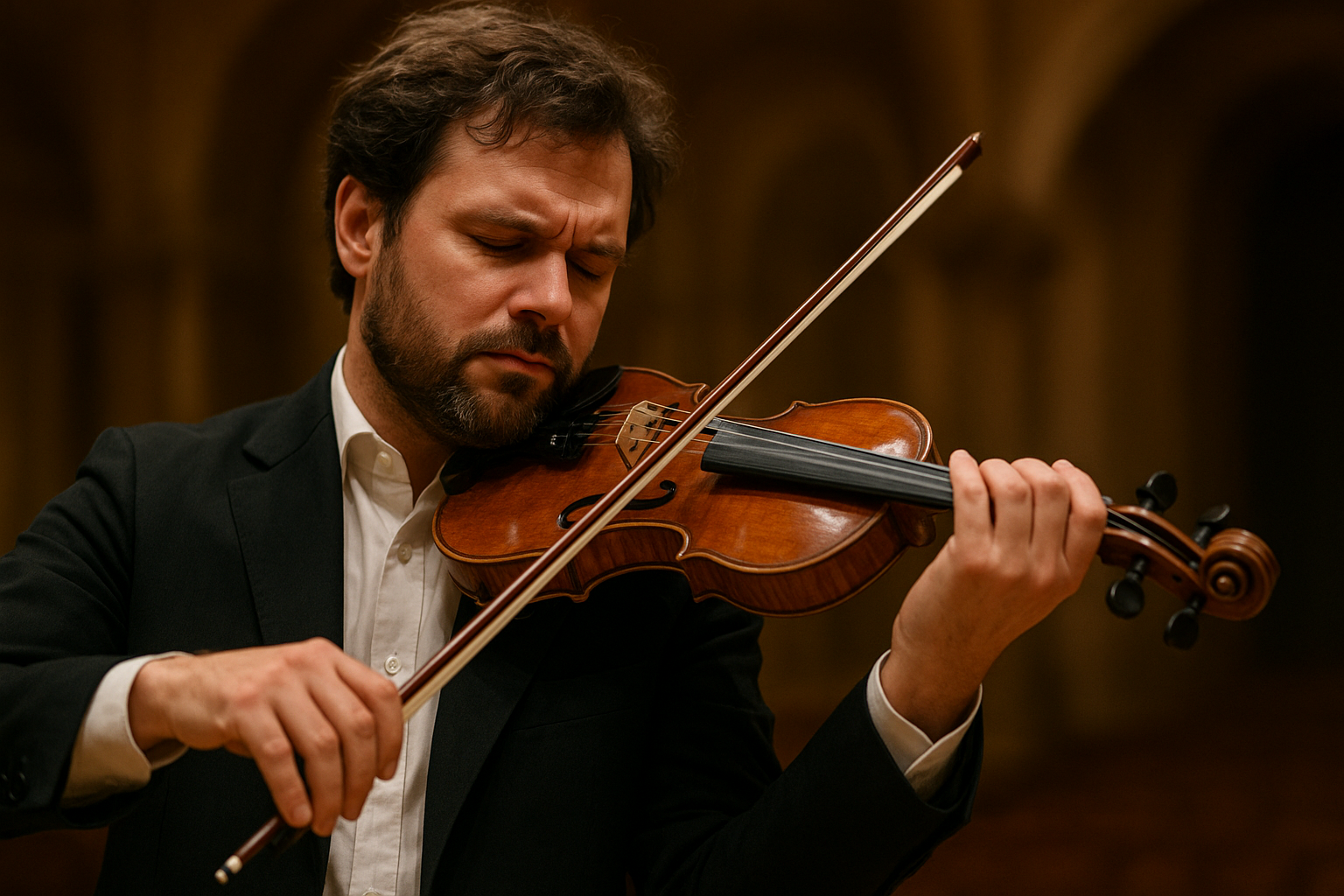
The Violin Concerto in D: Decoding Tchaikovsky’s Virtuosity and Passion
Pyotr Ilyich Tchaikovsky’s Violin Concerto in D Major, Op. 35 stands as a monumental testament to the profound intersection of passion, virtuosity, and emotion in classical music. Composed in 1878, this work has captured the hearts of musicians and audiences alike, enduring as one of the most celebrated pieces in the violin repertoire. Let us delve into the layers of this masterpiece to understand its journey from tumultuous inception to its revered status today.
The Historical Background
The period during which Tchaikovsky composed this concerto was tumultuous yet deeply formative. He had just emerged from a brief and disastrous marriage, seeking solace in the serene landscape of Switzerland. It was there, on the shores of Lake Geneva, that he found inspiration. The initial draft was completed remarkably swiftly, within a month, in March and April of 1878. However, the journey from conception to first performance was fraught with challenges.
Rejection and Revision
The original dedicatee, the prominent violinist Leopold Auer, deemed the concerto as “unplayable.” This led to its initial rejection and necessitated significant revisions. Disheartened but determined, Tchaikovsky made changes, especially to the demanding passages, before it finally found its champion in Adolf Brodsky, a virtuoso who premiered the concerto in Vienna in 1881.
“It is simply impossible to play, some of it’s passages are downright hazardous.”
This statement, attributed to Auer, reflects the technical challenges that initially clouded the concerto’s reception. Yet Tchaikovsky’s perseverance ensured the work was eventually recognized for its ingenuity and depth.
Analyzing the Composition
Understanding Violin Concerto in D Major requires a journey through its three movements, each woven with Tchaikovsky’s characteristic blend of lyricism and complexity.
- Allegro moderato: The first movement begins with a serene orchestral introduction that gives way to the soloist’s entrance, a thrilling explosion of virtuosity combined with lyrical melodies. The main theme, full of Russian folk elements, is both robust and delicate, showcasing Tchaikovsky’s talent for thematic development.
- Andante: The second movement, titled “Canzonetta,” imparts a deep sense of melancholic beauty. It acts as a lull before the storm, offering a reflective interlude. The haunting melody floats over a rich harmonic landscape, creating an aura of introspection and pathos.
- Finale: Allegro vivacissimo: The third movement bursts forth with an energetic dance rhythm, reminiscent of a lively folk dance. The soloist embarks on an exuberant, virtuosic adventure, filled with breathtaking runs and double stops, culminating in a triumphant conclusion that leaves audiences in electrifying anticipation.
Interpretations and Performances
The concerto has become a rite of passage for violinists worldwide, embodying both a technical and emotional challenge. Each interpretation brings a unique perspective, colored by the artist’s individual nuances and expressive interpretations.
Notable performances of the piece include those by violinists such as Jascha Heifetz, whose rendition is often cited for its unparalleled precision and speed, and Itzhak Perlman, whose interpretations bring forth a warm, expansive tone. Both artists, among others, provide compelling reasons for the piece’s lasting appeal and the respect it commands.
“Tchaikovsky’s violin concerto is a marvellous blend of thrilling virtuosity and heartfelt lyricism. No matter how many times you hear it, it never ceases to amaze.”
— Classic FM
Conclusion: Legacy and Influence
Over the years, Tchaikovsky’s Violin Concerto in D Major has transcended its origins of controversy and doubts, establishing itself as a cornerstone of the classical repertoire. Its ability to inspire and challenge musicians mirrors the dynamic interplay of virtuosity and emotion that defines Tchaikovsky’s music.
The concerto’s journey from rejection to acclaim stands as a testament to Tchaikovsky’s indomitable spirit and his gift for crafting music that speaks to the universal human experience. As it continues to be performed around the world, the concerto not only chronicles the triumph of artistry over adversity but also highlights the eternal allure of Tchaikovsky’s genius.
By decoding the layers and examining the intricate details of this concerto, we gain a deeper appreciation not just of Tchaikovsky’s virtuosity, but also of his passionate depiction of the human condition through music. The Violin Concerto in D remains a powerful reminder of the profound beauty and emotional depth that classical music can offer, resonating across time and tradition.