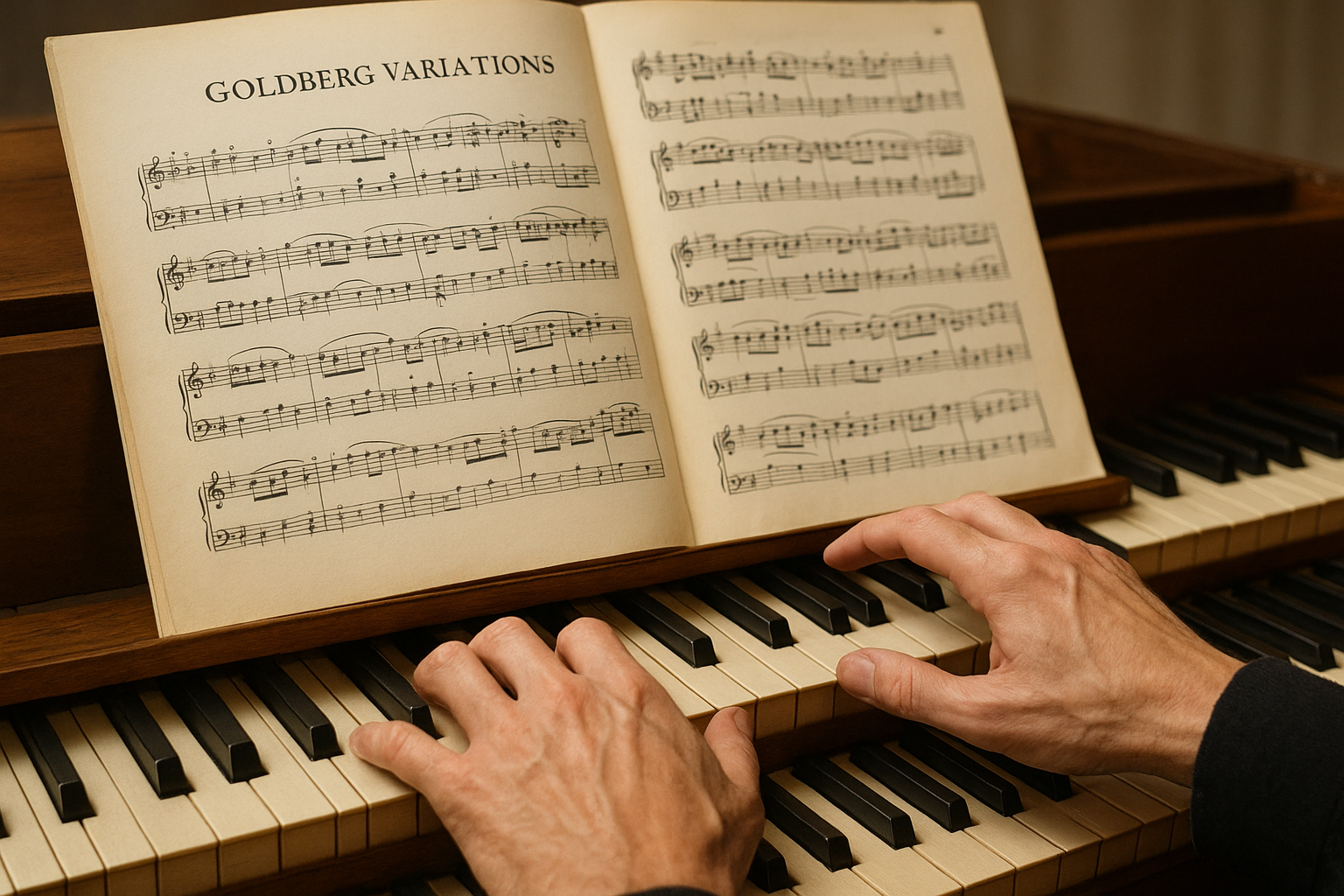
The Goldberg Variations: Bach’s Infinite Study in Theme and Transformation
Among Johann Sebastian Bach’s most revered works is The Goldberg Variations, a piece that embodies the limitless potential of a single theme transforming across an elaborate sequence of variations. This masterful composition is not only a testament to Bach’s genius but also a profound exploration of musical architecture and emotional depth.
Origins and Inspiration
Composed in 1741, The Goldberg Variations were reportedly commissioned by Count Hermann Karl von Keyserlingk, a Russian ambassador to the Saxon court, who aimed to cure his insomnia. According to Johann Nikolaus Forkel, Bach’s first biographer, the work was named after the young harpsichordist Johann Gottlieb Goldberg, who was employed by the Count to perform the piece during sleepless nights.
The Structure of Transformation
The work begins with a singular Aria, a simple yet hauntingly beautiful piece that sets the thematic foundation. What follows is a cycle of 30 variations, each ingeniously exploring different musical styles, structures, and emotional expressions. Bach employs an ingeniously crafted pattern—every third variation is a canon, increasing by one interval at a time, from unison up to a ninth, interspersed with genre-form pieces such as fughettas, gigues, and French overtures.
The Art of Variation
Each variation reveals Bach’s astounding capacity to reinvent a theme. The essence of the original Aria is preserved, yet Bach steeps each movement in distinct stylistic and emotional characterizations. As Glenn Gould, one of the most acclaimed performers of The Goldberg Variations, famously said, “Bach was really an early advocate of the infinite variety possible within very tightly circumscribed forms” (BrainyQuote).
“It’s a constant rebirth, an eternal rejuvenation of a single idea, under new aspects and in fresh combinations.” —Johannes Brahms
Enduring Legacy
The profound impact of The Goldberg Variations is evident from its enduring popularity, transcending time to influence countless musicians and listeners. Through its intricate patterns and emotional range, Bach invites performers and audiences alike to engage with music as a fluid, living art form.
As time has revealed, The Goldberg Variations remain a boundless source of inspiration and discovery. From the concert hall to the intimate spaces of a quiet home, Bach’s work continues to offer solace, challenge, and joy, an infinite study in theme and transformation—unsurpassed in its melodic grace and structural brilliance.