Sibelius’s Nordic Landscape: Tone Poems and the Spirit of Finland
Jean Sibelius, the revered Finnish composer, is celebrated not only for his symphonies but also for his evocative tone poems that capture the spirit and soul of Finland. His compositions embody the rugged beauty of Finnish landscapes, the folklore of its people, and the nation’s burgeoning identity in the early 20th century. As Finland sought independence from Russian rule, Sibelius’s music became a powerful voice of cultural nationalism.
The Inspiration Behind Sibelius’s Tone Poems
The late 19th and early 20th centuries were times of transformation and national awakening for Finland. In this era of significant change, Sibelius emerged as a paramount figure in Finnish music and culture. His works were deeply influenced by the natural surroundings of his homeland, a passion he articulated eloquently:
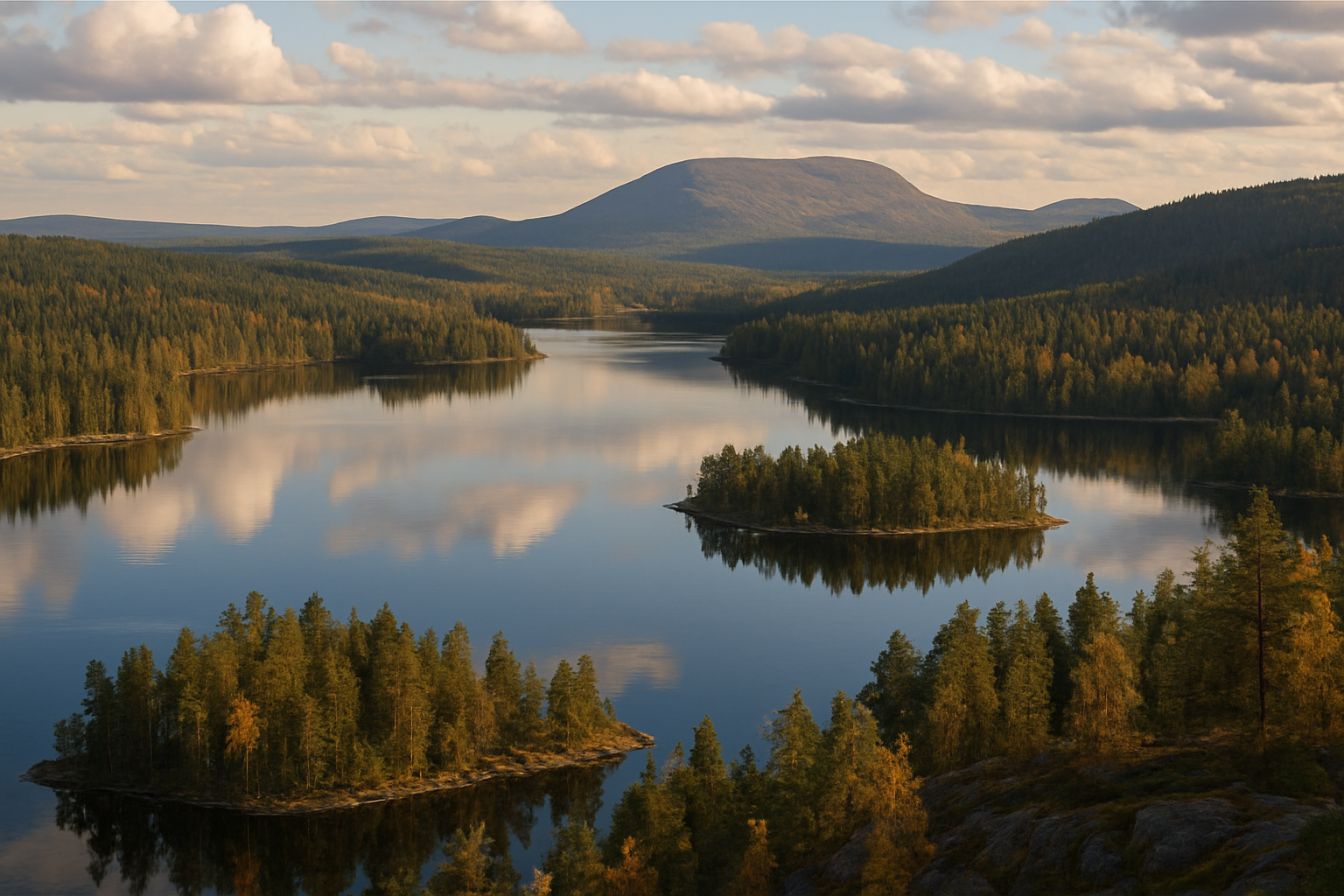
“For me, nature and the music of the country’s woods, lakes, and snow are inspirations. I love Finnish nature and have often taken walks in the forests, contemplating the country’s natural beauty.”
These reflections are woven into the intricate, evocative textures of his music, particularly his tone poems.
Key Tone Poems and Their Connection to Finland
-
Finlandia (1899)
Perhaps the most famous of Sibelius’s tone poems, Finlandia is a work of deep patriotic fervor. Composed during a time of political unrest, it quickly became a symbol of Finnish independence. Initially performed as part of a covert protest against Russian censorship, the piece brilliantly mirrors the struggle and ultimate triumph of the Finnish spirit. The hymn-like section evokes a sense of hope and unity, often considered Finland’s unofficial national anthem. Learn more about Finlandia on Britannica.
-
The Swan of Tuonela (1895)
Sibelius’s fascination with Finnish mythology is vividly realized in The Swan of Tuonela, part of the suite Lemminkäinen. This tone poem draws from the Kalevala, the national epic of Finland, portraying a mystical swan gliding through the dark waters of the realm of the dead. The haunting, ethereal cor anglais solo captures the melancholic serenity and mysticism of Finnish folklore.
-
En saga (1892)
Thought to be a purely abstract work, En saga vividly conjures the Nordic wilderness through music. Without overt narrative, it suggests a journey through rugged terrains, echoing the unpredictable and wild natural landscapes of Finland. This piece exemplifies Sibelius’s genius in translating nature’s chaos into structured musical form.
-
Tapiola (1926)
Sibelius’s last major work, Tapiola, delves into the mythological once more, depicting Tapio, the god of the forest. The music captures the primeval power and mystery of Finnish woods, filled with rustling trees and ominous shadows. As Finnish musicologist Erik Tawaststjerna described, “Tapiola is one of Sibelius’s most marvelous soundscapes, merging terror with beauty.”Explore more about Sibelius’s tone poems on Classic FM.
The Impact of Sibelius’s Music on Finnish Identity
Sibelius’s tone poems played a critical role in the formation of a Finnish cultural identity, especially in an era when the country was under Russian dominion. His compositions became musical symbols of resistance and pride. By drawing from national epics like the Kalevala and utilizing elements that resonated with the Finnish people, Sibelius’s music provided an auditory patriotism that was both profound and accessible.
Moreover, Sibelius’s international recognition helped put Finnish music on the global stage. By the early 20th century, he was celebrated worldwide, and his works were performed in major concert halls across Europe and America. This visibility furthered Finland’s cultural independence and pride.
Sibelius’s Legacy and the Continued Influence of His Tone Poems
Sibelius passed away in 1957, leaving behind a rich legacy that continues to inspire musicians and composers worldwide. His ability to seamlessly integrate the natural world and mythological elements into music has influenced countless composers after him. As Finnish conductor Esa-Pekka Salonen eloquently noted:
“Sibelius’s music teaches us how to find the myths within ourselves and our environment, to rediscover them as sources of inspiration.”
Sibelius’s work remains a significant part of modern classical music repertoire, with his tone poems frequently performed and recorded. They continue to evoke the beauty and power of the Nordic landscape, inviting new generations to experience the spirit of Finland.
For enthusiasts and new listeners alike, Jean Sibelius’s tone poems offer an immersive journey into the heart of Finnish nature and folklore, forever capturing the Nordic landscape’s essence and the spirit of Finland.