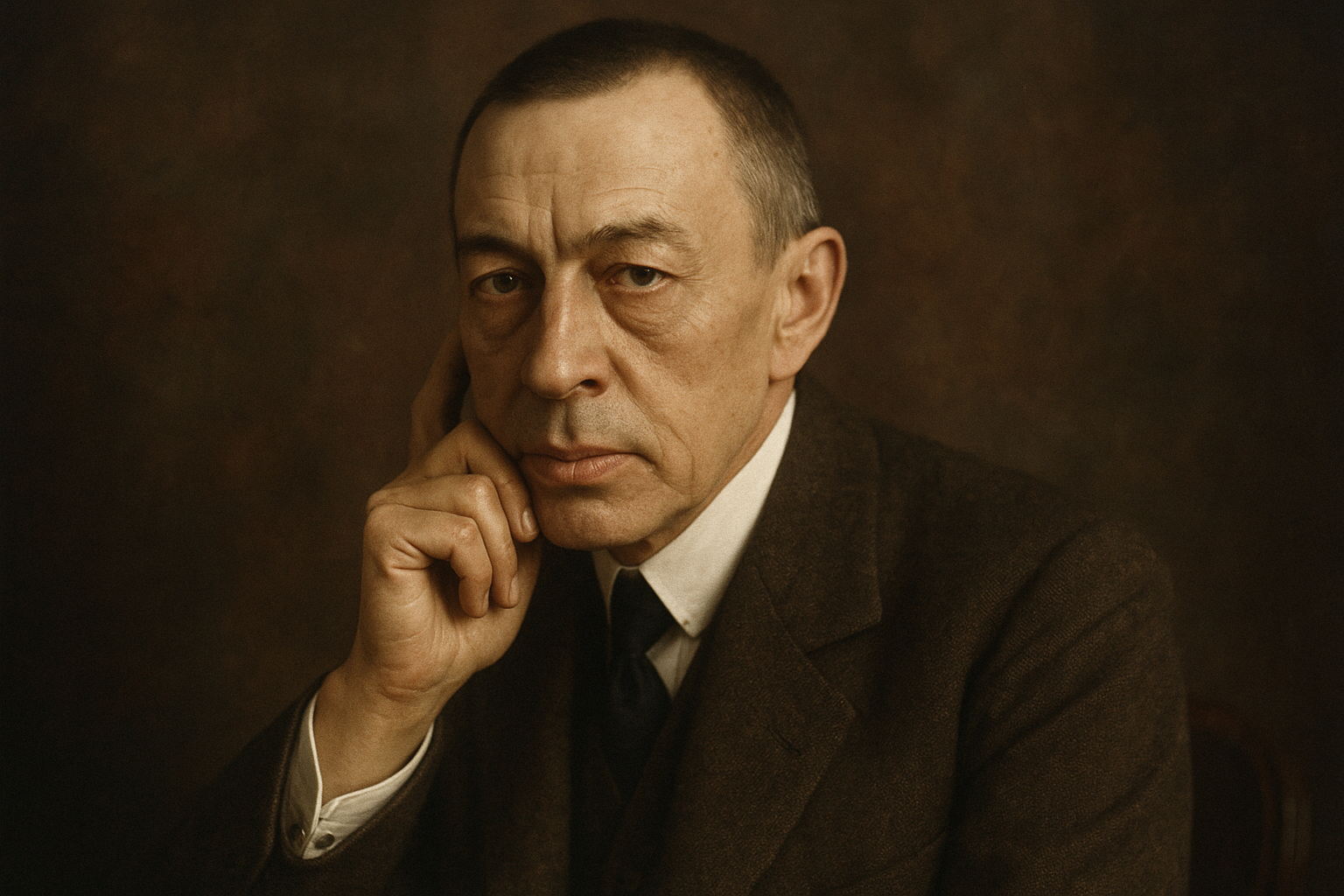
Rachmaninoff’s Russian Heart: Sweeping Melodies and Intense Emotion
Sergei Rachmaninoff, often regarded as one of the last great representatives of Romanticism in Russian classical music, continues to captivate audiences worldwide with his profound compositions. Born in 1873, Rachmaninoff’s works embody the quintessence of Russian emotion and tradition, characterized by sweeping melodies, lush harmonies, and emotional depth.
Rachmaninoff’s music is an authentic reflection of his Russian heritage, deeply ingrained with the country’s rich cultural and musical traditions. His compositions, such as the iconic Piano Concerto No. 2 and Symphonic Dances, are vivid tapestries of Russian folklore, literature, and spirituality. He once mentioned, “Music is enough for a lifetime, but a lifetime is not enough for music,” highlighting the endless passion and desire he felt for his craft.
A Master of Melodic Invention
Renowned for his ability to create sweeping melodies, Rachmaninoff’s music often evokes a deep sense of melancholy and longing, cornerstones of the Russian spirit. As musicologist David Dubal notes, “Rachmaninoff was his own man, who, remaining true to his Russian roots, wrote some of the most beautiful music of the 20th century.”
- Piano Concerto No. 2: Celebrated for its lyrical beauty and technical demands, this concerto has become one of the most popular in the piano repertoire.
- Rhapsody on a Theme of Paganini: A masterpiece that displays his ingenuity in theme variation, it combines both power and finesse.
- Vocalise: Originally written as a vocal exercise, it became a stand-alone piece known for its haunting melody.
Emotion Woven into Composition
The intense emotional power of Rachmaninoff’s music is perhaps best experienced in his symphonic works. His signature orchestration skills lend a grandiose and epic feel, captivating listeners with what James Lyon aptly describes as “a powerhouse of total musical and emotional impact.” It’s no surprise that filmmakers frequently use his music to underscore moments of great emotion and tension.
Rachmaninoff’s ability to translate Russian soulfulness into music that speaks to the heart is unparalleled. His works are more than music—they are an emotional voyage.
As a towering figure in music history, Rachmaninoff’s legacy is defined by his unparalleled ability to weave intense emotion into melodious structures. His compositions remain a testament to the enduring power of melody, imbued with the passionate poignancy of the Russian heart.
For more insights on Rachmaninoff’s life and works, visit the Rachmaninoff Society.