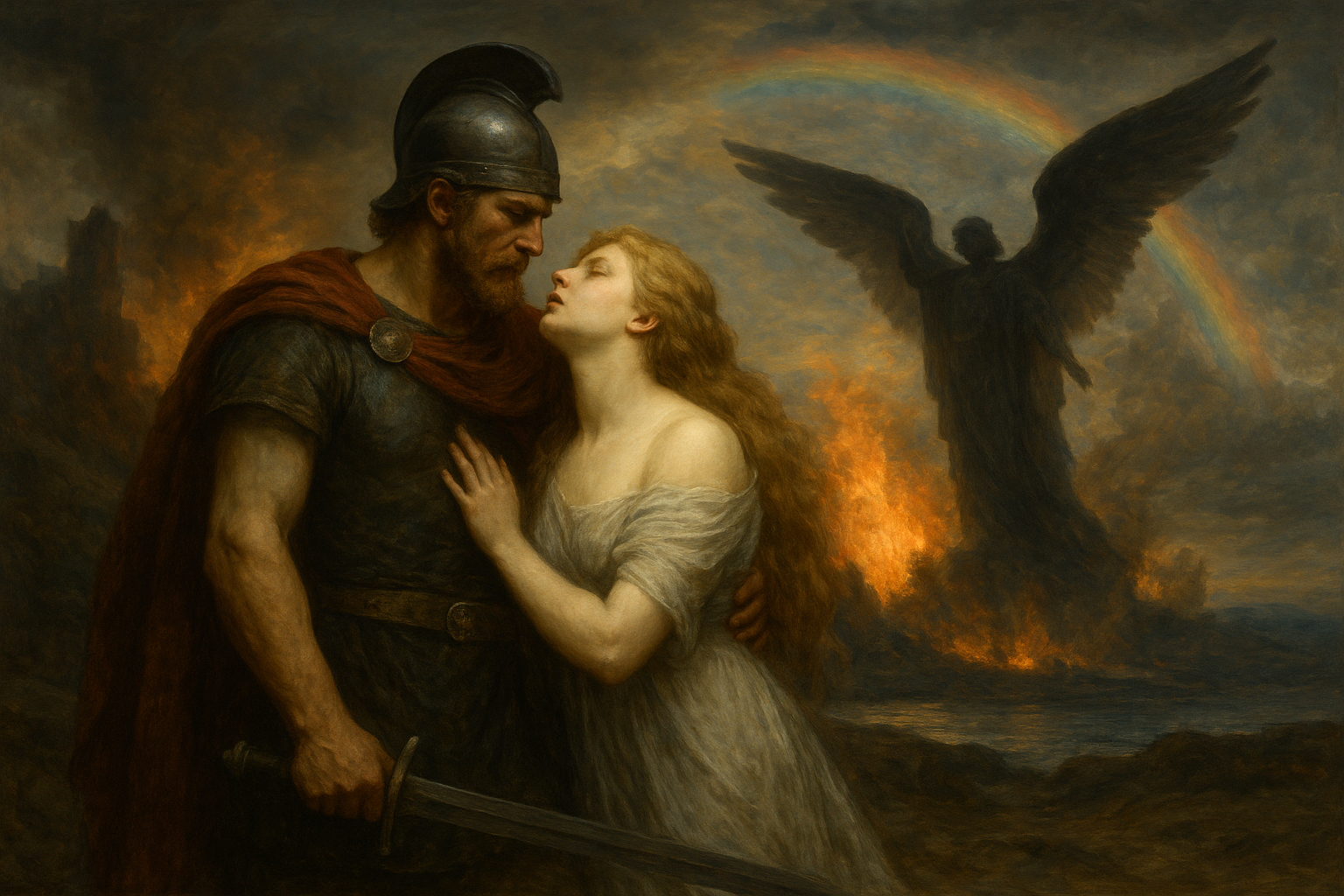
Wagner’s Ring Cycle: Myth, Music, and the Pursuit of the Total Artwork
Richard Wagner’s Der Ring des Nibelungen, commonly known as the Ring Cycle, stands as one of the most ambitious and celebrated masterpieces in the operatic world. Composed between 1848 and 1874, this monumental work consists of four epic music dramas: Das Rheingold, Die Walküre, Siegfried, and Götterdämmerung. Wagner’s vision was to create a Gesamtkunstwerk—a total artwork—where music, drama, and myth converge to form an unparalleled theatrical experience.
The Allure of Mythology
Drawing heavily from Norse and Germanic mythology, the Ring Cycle tells a timeless tale of gods, heroes, dragons, and a cursed ring of power. Wagner’s source material included ancient sagas and mythologies, which he adeptly molded into a narrative reflecting profound philosophical themes, such as the corrupting nature of power and the redemption through love.
The idea of a cursed ring is emblematic of the conflicts and desires within the cycle, representing greed and the relentless pursuit of power. As historian Barry Millington notes, “For Wagner, mythology was a lens through which to explore and critique modern society.” The use of myth serves as a vessel for Wagner to delve into pressing issues of his time and nature’s elemental forces that surpass the human condition.
Unifying Music and Drama
Wagner revolutionized opera by transforming it into music drama, where the score and the story are inextricably linked. He broke away from the conventional structures of opera, where arias and duets were the centerpiece, and instead integrated leitmotifs—recurring musical themes associated with specific characters, emotions, or objects.
“I write music with an eye as well as an ear to its dramatic effect,” Wagner proclaimed. “The essence of my art is to draw the listener into the heart of the drama through sound.”
The Ring Cycle contains over a hundred leitmotifs, intricately woven throughout the operas, which guide the listener’s emotional journey. This technique creates a rich tapestry of sound that supports and deepens the narrative, allowing Wagner to achieve his vision of a complete work of art.
Staging the Spectacle
The physical production of the Ring Cycle is a spectacle in itself. Wagner envisioned a grand theater dedicated solely to his works and thus, the Bayreuth Festspielhaus was born. Opened in 1876, this theater was designed with specific acoustics to enhance the experience Wagner desired. Its architecture and layout influenced how operas were staged and performed, allowing for novel interpretations and styles that would inspire future generations of storytellers.
“The Festspielhaus permits the sound to wash over the audience, enveloping them in the music,” as Marc H. Ellis, a musicologist, elaborates. “Bayreuth remains a pilgrimage site, where Wagner’s spirit and intent are palpably preserved.”
The Philosophy Underlying the Art
At the heart of the Ring Cycle lies a complex set of philosophical ideas reflecting Wagner’s engagement with the ideas of Schopenhauer and later Nietzsche. The focus on existential themes like fate, sacrifice, and the quest for identity mirrors the struggles within human nature itself. As Wagner believed, art transcends mere entertainment; it becomes a conduit for introspection and philosophical engagement.
Critically, the Ring Cycle provoked diverse interpretations regarding power dynamics, human relationships, and societal structures. Charles Taylor, in his critical analysis, suggests, “Wagner’s exploration of thematic dichotomies makes the Ring a reflective surface for the audience’s own values and dilemmas.”
The Legacy of Wagner’s Vision
Wagner’s Ring Cycle has left an indelible mark not only on opera but across the spectrum of art and culture. Its influence is palpable in film scores, literature, and theatrical productions. From the thunderous orchestral passages that evoke sweeping landscapes to the intimate, soulful moments between characters, the resonance of the Ring Cycle continues to captivate new audiences.
As a synthesis of myth and music, Wagner’s pursuit of the Gesamtkunstwerk remains a testament to his genius and ambition. His ability to craft a work that speaks as potently to human dreams and dilemmas today as it did in the 19th century ensures the Ring Cycle’s place at the pinnacle of artistic achievement.
Whether experienced as an opera or as an immersive storytelling phenomenon, the Ring Cycle endures, beckoning audiences to embark on a mythical journey filled with music, magic, and meaning.