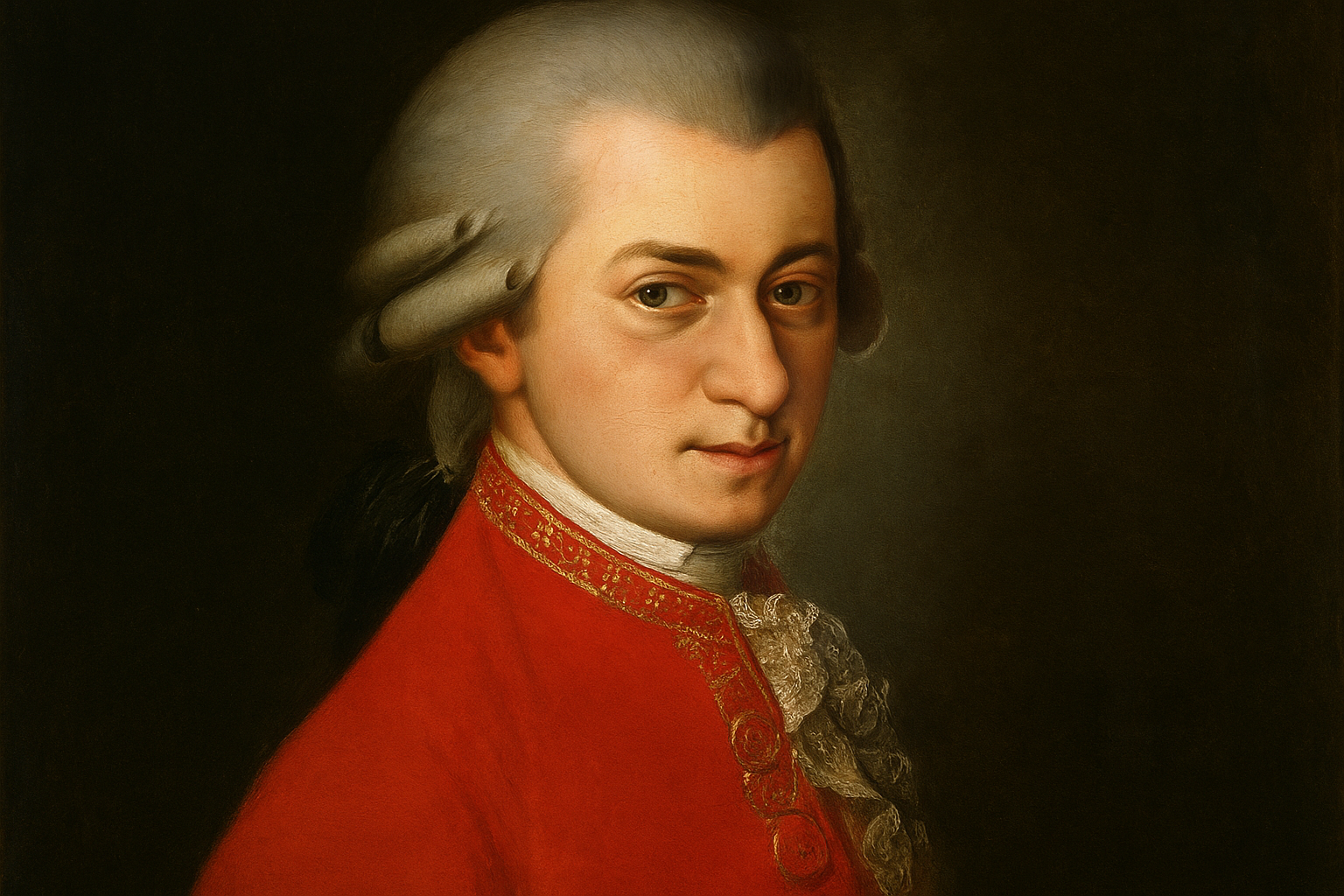
Mozart: The Enigmatic Genius Behind Don Giovanni
Wolfgang Amadeus Mozart, a name synonymous with musical prodigy, left an indelible mark on the classical music world with his prowess and innovation. Among his remarkable operatic compositions, Don Giovanni stands out as a masterpiece of drama and complexity. Known for his ability to weave emotion and intellect into music, Mozart was more than just a composer; he was an enigmatic genius whose contributions continue to resonate.
“Mozart is the greatest composer of all.” – Ludwig van Beethoven
The Genesis of Don Giovanni
Don Giovanni, an opera in two acts, was composed in 1787 with a libretto by Lorenzo Da Ponte. This “dramma giocoso” blends elements of drama and comedy, bringing to life the infamous Spanish libertine Don Juan. The story navigates themes of seduction, revenge, and morality, brought to life through Mozart’s inventive and expressive score.
- Act I introduces Don Giovanni’s reckless lifestyle and his manipulative charm, setting the stage for subsequent conflicts.
- Act II depicts his inevitable downfall, culminating in a dramatic and otherworldly denouement.
The opera premiered at the National Theatre in Prague and was an instant success. Praised for its depth and dynamism, Don Giovanni has been celebrated for transcending conventional operatic narratives of its time.
Mozart’s Genius in Composition
Mozart’s ability to capture the essence of characters through music is particularly evident in Don Giovanni. The overture sets the tone with its dark and foreboding motifs, reflecting the protagonist’s turbulent journey. Throughout the opera, Mozart masterfully uses arias, duets, and ensembles to define the emotional and psychological contours of each character.
In the words of musicologist Julian Rushton, “Don Giovanni is an opera of extraordinary imagination, combining a wide variety of styles to brilliant effect.” This complexity and ingenuity have cemented Mozart’s reputation as a visionary composer.
Mozart’s Unfading Legacy
Mozart’s life, though tragically short, was a testament to prodigious talent and relentless creativity. His ability to craft intricate melodies and harmonies that resonate with audiences is reflected in his extensive body of work. Don Giovanni, with its rich tapestry of human emotion and morality, endures as a testament to Mozart’s genius.
In exploring Mozart’s enigmatic brilliance, one can’t help but marvel at his capacity to shape the contours of opera. His mastery in Don Giovanni underscores not just the grandeur of his compositions, but also his enduring influence on music and culture.