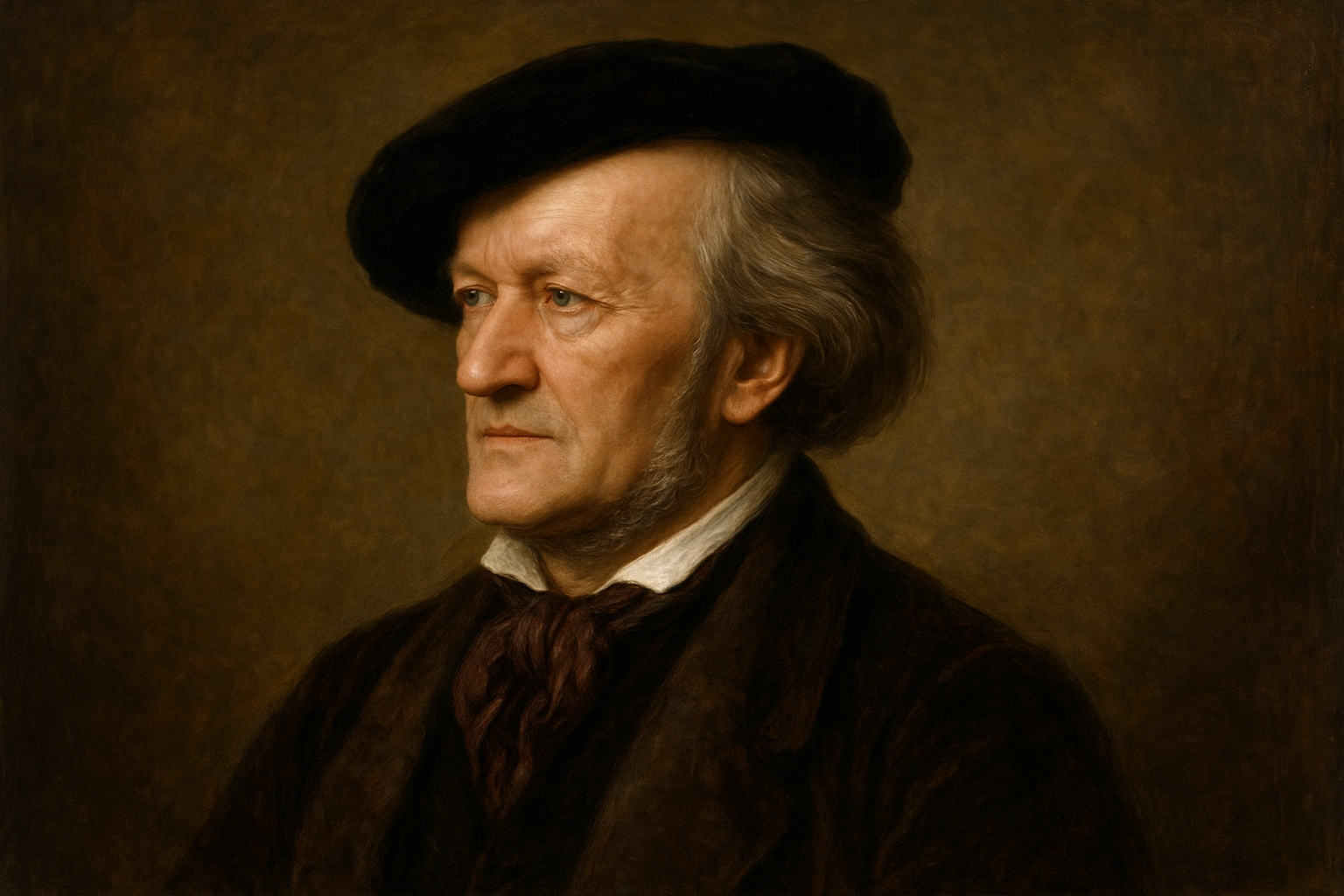
The Language of Leitmotifs: A Thematic Analysis of Wagner’s Operas
Richard Wagner, an influential figure in the world of opera, has often been celebrated for his revolutionary use of the leitmotif. This musical device, a recurring theme associated with a particular character, concept, or emotion, allowed Wagner to weave complex narratives through his grand operas. By examining his seminal works, we can better understand how leitmotifs serve as a language within his compositions.
The Evolution of Leitmotifs
Wagner’s innovative application of leitmotifs transformed the operatic landscape. Unlike his predecessors, who used thematic elements more sporadically, Wagner assigned specific musical phrases to characters and ideas consistently throughout his operas. This approach created a rich tapestry of interconnected themes, enhancing the storytelling aspect of his work. According to Deems Taylor, a prominent music critic, “Wagner’s genius lies in his ability to bind melody and drama so seamlessly that they become inseparable entities.” [1]
Examples from Wagner’s Operas
Several of Wagner’s greatest works serve as exemplars of this technique:
- The Ring Cycle: Arguably, Wagner’s magnum opus, the tetralogy of operas, contains a vast array of leitmotifs. From the haunting “Siegfried’s Horn Call” to the ominous “Ride of the Valkyries,” these motifs not only enhance the drama but also signal the psychological and emotional undercurrents within the narrative.
- Tristan und Isolde: In this opera, Wagner uses the “Tristan Chord” to convey the profound love and longing between the titular characters. The unresolved chord becomes a musical metaphor for the lovers’ unattainable desires, evoking a sense of yearning.
- Tannhäuser: The Pilgrim’s Chorus is a leitmotif that symbolizes redemption and pilgrimage, starkly contrasting with the sensual motifs of the Venusberg.
“Wagner’s leitmotifs are emotional signifiers, guiding audiences through the intricate psychological landscapes of his operatic universes,” notes Paul Robinson, author of Opera and Ideas. [2]
The Enduring Legacy
Wagner’s mastery of leitmotifs has influenced countless composers, shaping the future of musical storytelling. His pioneering efforts laid the groundwork for both film scores and contemporary classical music, where thematic continuity reigns supreme. John Williams, the acclaimed film composer, has often cited Wagner as a pivotal influence, particularly in his work on the Star Wars series, which utilizes character-specific themes to great effect. [3]
By integrating leitmotifs so fully into his operas, Wagner created a soundscape that communicates the inner workings of his characters’ minds and the epic scale of their stories. His operas remain a testament to the power of music to transcend words, offering an enduring legacy that continues to inspire audiences and artists alike.