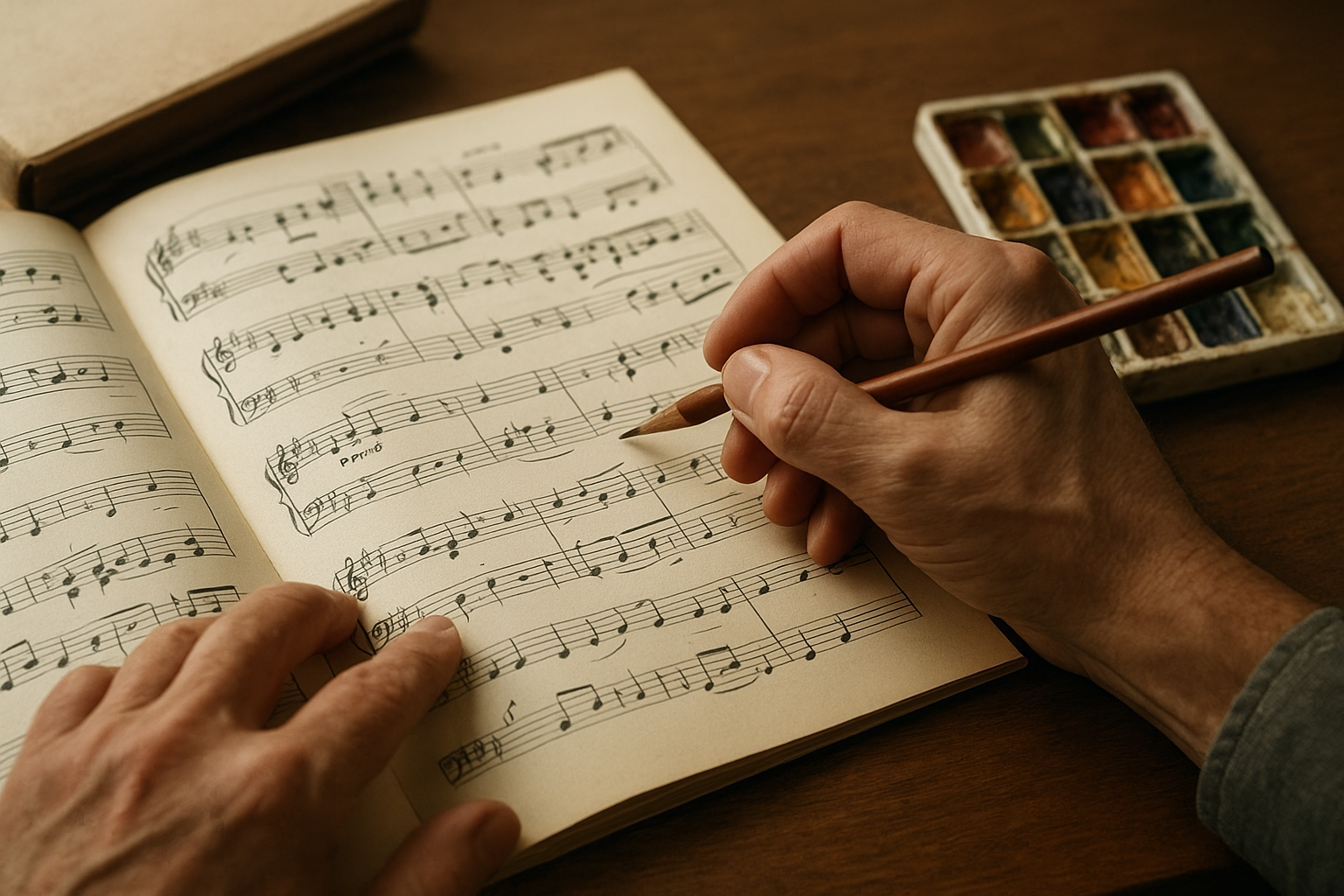
Tempo, Dynamics, and Expression: The Composer’s Instructions to the Performer
The relationship between a composer and a performer is a complex interaction of written instructions, personal interpretation, and emotional conveyance. At the heart of this interaction lie three critical components: tempo, dynamics, and expression. These elements are the key tools through which composers communicate their vision and intent to performers, ensuring that each performance is not just a reproduction of notes, but a living, breathing work of art.
Understanding Tempo: The Pulse of the Music
Tempo serves as the heartbeat of music, dictating its speed and overall feel. It is one of the primary tools composers use to convey mood and energy. Typically indicated by Italian terms such as allegro (fast), adagio (slow), and moderato (moderate), tempo communicates how fast or slow the piece should be played. More precisely, composers may use metronome markings to specify the exact beats per minute (BPM).
“The tempo is not primarily the speed; it is the degree of energy that is demanded of the performer. Thus, interpretation must adjust accordingly.” – Leonard Bernstein
A composer’s choice of tempo deeply influences a piece’s emotional texture. For instance, the frenetic pace of the finale in Beethoven’s Symphony No. 9 conveys ecstatic celebration, while the solemn slowness of Barber’s Adagio for Strings imparts a profound sense of mourning.
Dynamics: The Art of Volume
Dynamics refer to the volume of sound, ranging from the softest whispers to the most thunderous roars. Notated as pianissimo (pp) for very soft, to fortissimo (ff) for very loud, dynamics guide performers in adjusting the intensity of their sound. This element is crucial for building musical contrast and shaping the narrative arc of a performance.
One illustrative example is Tchaikovsky’s 1812 Overture, known for its dynamic range from serene, gentle passages to bombastic, cannon-fueled climaxes. Through skillful use of dynamics, Tchaikovsky conjures the tumult of battle and the joy of victory.
“Dynamics are what make a piece of music truly expressive. It’s not loud or soft; it’s about conveying a message through sound.” – Martha Argerich
Expression: Emotion Beyond Notes
Expression encompasses a variety of interpretative instructions that convey emotions and character in music. These include legato (smooth), staccato (detached), and sfumato (mysterious) among others. Expression marks instruct performers on the mood and character of the music, influencing everything from phrasing to tempo changes.
The ability to interpret expression marks is vital for performers. Consider Chopin’s Nocturnes, where delicate shifts in expression can transport listeners to a realm of poetic intimacy. The composer’s marks, when observed with sensitivity, can illuminate the emotional landscape of a piece.
The Performer’s Role: Balancing Fidelity and Creativity
While composers provide detailed instructions through tempo, dynamics, and expression, the final realization of their work often depends on the performer’s interpretative choices. This duality of intention and interpretation forms the essence of musical performance.
Performers face the challenge of honoring the composer’s vision while infusing their own artistic voice. The interpretation can vary significantly based on the performer’s cultural background, influences, and personal experiences. This is why no two performances of the same piece are ever identical.
Consider Glenn Gould’s interpretations of Bach, where his unique tempo choices and expressive dynamics have sparked both admiration and debate. Gould’s performances exemplify how deeply personal interpretation can enrich the listening experience, offering fresh insights into even the most well-trodden repertoire.
Conclusion
Tempo, dynamics, and expression are more than mere annotations on a page. They are the composer’s bridge to the performer, guiding the transformation of written music into an auditory experience. As Martha Graham eloquently stated, “Music is the hidden arithmetical exercise of a soul unconsciously counting.” Thus, each performance becomes a dialogue between the past and the present, the written and the felt—an ever-evolving story told anew with each interpretation.
The interplay between these elements requires not only technical skill but artistic sensitivity, allowing performers to breathe life into the notes and craft performances that resonate with audiences long after the final note has sounded.