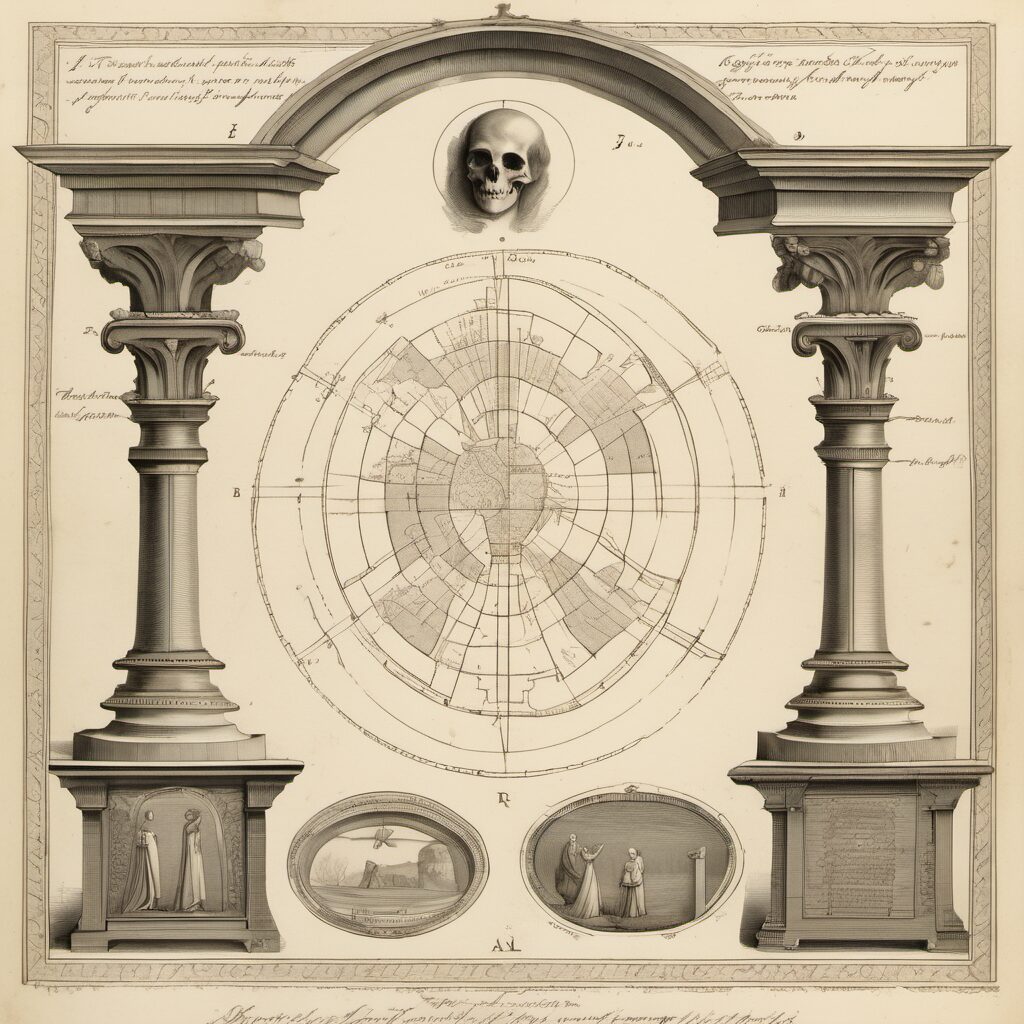
Neoclassical Revival in Product Design — The Influence of Architectural Styles on Consumer Products
In recent years, product design has witnessed a resurgence of neoclassical elements, as designers draw inspiration from the timeless architectural styles of ancient Greece and Rome. This revival is not limited to mere aesthetics; it reflects a deeper desire for elegance, sophistication, and connection with the past.
The Roots of Neoclassicism
Neoclassicism, an art movement that emerged in the 18th century, sought to revive the classical ideals of ancient Greece and Rome. This style emphasized simplicity, proportion, and balance, as seen in iconic structures like the Parthenon and the Pantheon. As product design continues to evolve, neoclassical principles are being reinterpreted for the modern era.
The Influence of Architectural Styles on Consumer Products
The neoclassical revival has impacted various consumer products:
- Home Decor: Furniture and decor items featuring curved lines, ornate details, and symmetrical shapes have become increasingly popular. For instance, the Marcel Breuer Chair, designed in 1928, is a classic example of neoclassical influence.
- Kitchenware: Vintage-inspired kitchen appliances and cookware with clean lines, simple shapes, and subtle ornamentation are now in high demand. Take the Le Creuset collection as an example.
- Jewelry: Timeless jewelry designs incorporating classical elements like columns, arches, and Greek keys have gained traction. The work of designer Jeanne Rauschenbach, known for her neoclassical-inspired pieces, is a notable example.
- Fashion: Clothing and accessories featuring intricate details, subtle patterns, and classic silhouettes are gaining popularity. Think of the iconic Prada designs inspired by ancient civilizations.
The Significance of Neoclassicism in Product Design
This neoclassical revival has profound implications for product design:
“Good design is not just about making something look good; it’s about creating a sense of connection with the user.” — Dieter Rams, former Chief Design Officer at Braun
By embracing neoclassical principles, designers can create products that are both timeless and relevant. As consumers seek comfort in familiar designs, the importance of understanding architectural styles becomes clear.
The Future of Neoclassicism in Product Design
As we look to the future, it’s evident that the neoclassical revival will continue to shape product design:
Conclusion
The neoclassical revival in product design is a testament to our enduring fascination with classical styles. As designers, it’s crucial to understand the significance of architectural styles and their influence on consumer products. By embracing this timeless aesthetic, we can create designs that connect with users, fostering a sense of sophistication and elegance that transcends trends.