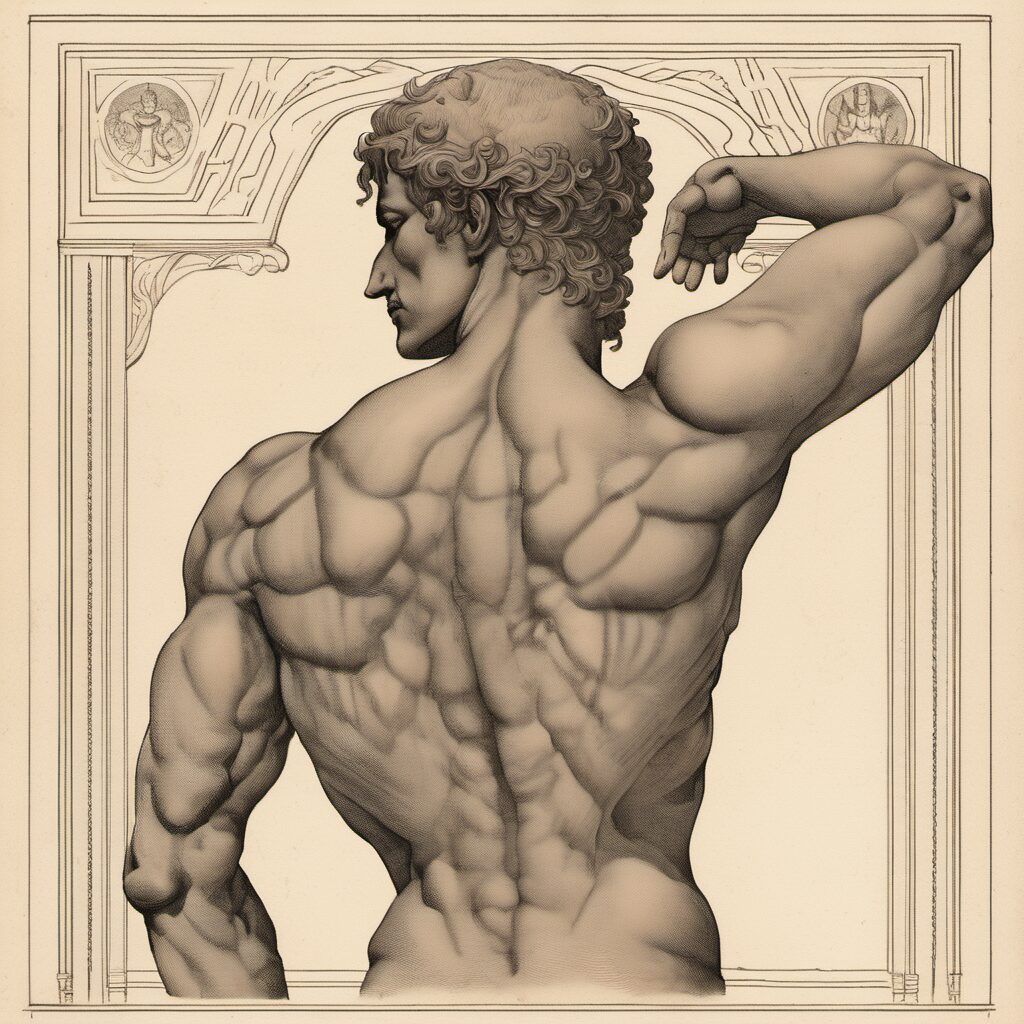
Neoclassical Influences on Contemporary Indie Rock Bands
Neoclassicism, an art movement that emerged in the 18th century, has had a profound impact on Western music. Emerging artists today are finding inspiration from various elements of neoclassicism and incorporating these influences into their indie rock style. In this article, we will explore some of the neoclassical influences found on contemporary indie rock bands.
The Return of Baroque Music
Indie rock music has seen a resurgence in baroque elements, reminiscent of the classical period’s grandeur and complexity. Bands like Arcade Fire and The National have drawn inspiration from the operas of Handel, with intricate arrangements and sweeping orchestration. Their use of full-band dynamics, layered harmonies, and dramatic pauses evoke the drama and spectacle of 18th-century baroque music.
Examples: Neuf, The Young Knives
- Neuf – The band’s debut album, “New Geography”, features lush orchestration and intricate arrangements. Their music combines elements of indie rock, electronica, and pop to create a unique sound that is both nostalgic and forward-thinking.
- The Young Knives – This British band’s music often incorporates baroque elements, with lush vocal harmonies and complex instrumentation. Their album “A Bad Magic Idea” features a sweeping orchestral arrangement on the title track.
The Influence of Classical Instrumentation
Classical instruments are becoming increasingly popular in indie rock music. Bands like Sufjan Stevens and Bon Iver have incorporated violin, cello, and piano into their soundscapes, creating a more intimate and chamber-like atmosphere. This move towards classical instrumentation is also evident in the use of orchestral strings on many modern pop songs.
Examples: James Blake, Sufjan Stevens
- James Blake – This British singer-songwriter often incorporates classical instruments into his electronic-infused indie rock sound. His debut album “James Blake” features a solo piano performance on the title track, while his follow-up album “Overgrown” includes a string section on several tracks.
- Sufjan Stevens – This American singer-songwriter has collaborated with classical musicians and incorporated orchestral instrumentation into his music. His album “Carrie & Lowell” features a string quartet on several tracks, adding depth and complexity to the emotional ballads.
The Neoclassical Revival in Indie Rock
In conclusion, neoclassical influences can be found throughout contemporary indie rock music. Bands are drawing inspiration from the grandeur and complexity of 18th-century classical music, incorporating elements such as baroque arrangements, classical instrumentation, and operatic vocals into their soundscapes. As the boundaries between genres continue to blur, it will be interesting to see how this trend evolves in the years to come.
References:
References:
1 – http://en.wikipedia.org/wiki/Neoclassicism
2 – Classical period (music)
3 – Indie Music Magazine