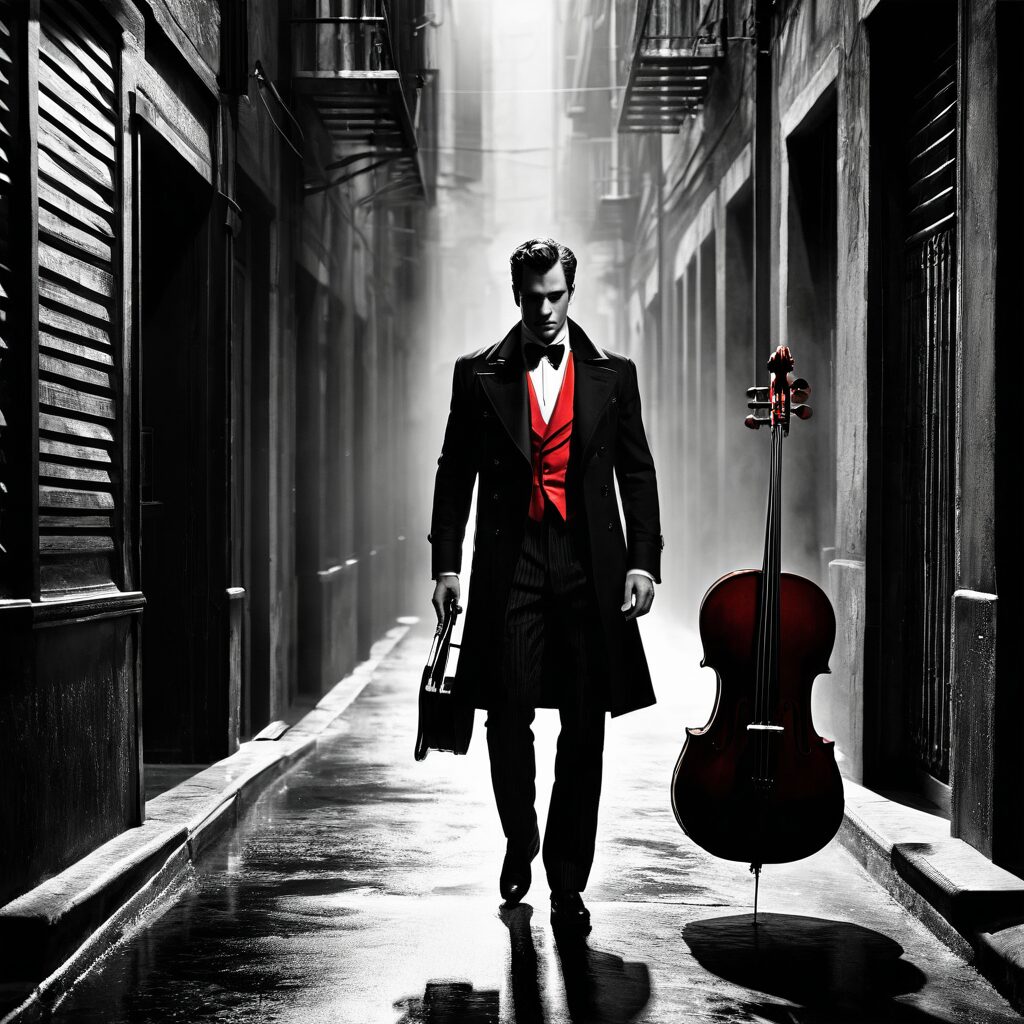
The Overture as Heist
In Vice City’s neon-lit avenues, an overture unfolds—a symphony that steals hearts with each crescendo. The city’s underbelly thrives amidst a musical heist where classical compositions orchestrate every performance.
Opera’s soul beats in tandem to the rhythm of composers like Mozart and Verdi—masters weaving narratives through scores rich as any urban tale told beneath Sin City’s stark shadows.
The Intermission — A Momentary Silence
An interlude—a brief respite. Within this pause, performers reflect on their parts; they ponder over arias akin to detectives contemplating clues in a noir setting.
This is where the magic transpires—behind dimmed stage lights and amidst an audience cloaked under heavy velvet seats like patrons of clandestine meetings.
The Encore — An Escape into Reality
Post-performance, opera exits through intermission’s doorway. Audiences are whisked away from vice to another realm—a reality punctuated by a symphony’s final note.
In this encore as escape resides an immortal truth: classical music binds performers and spectators alike in sin-city noir narratives that pulse with life’s vibrancy.
The role of classical music within opera is both historical tapestry woven intricately through performance, its impact felt deeply. Each composition breathes life into characters who traverse across stages like shadows dancing against the gritty backdrop of our matrix-awakened reality.